- Partnership
L+R supports Meta to open Ray-Ban Display glasses to developers
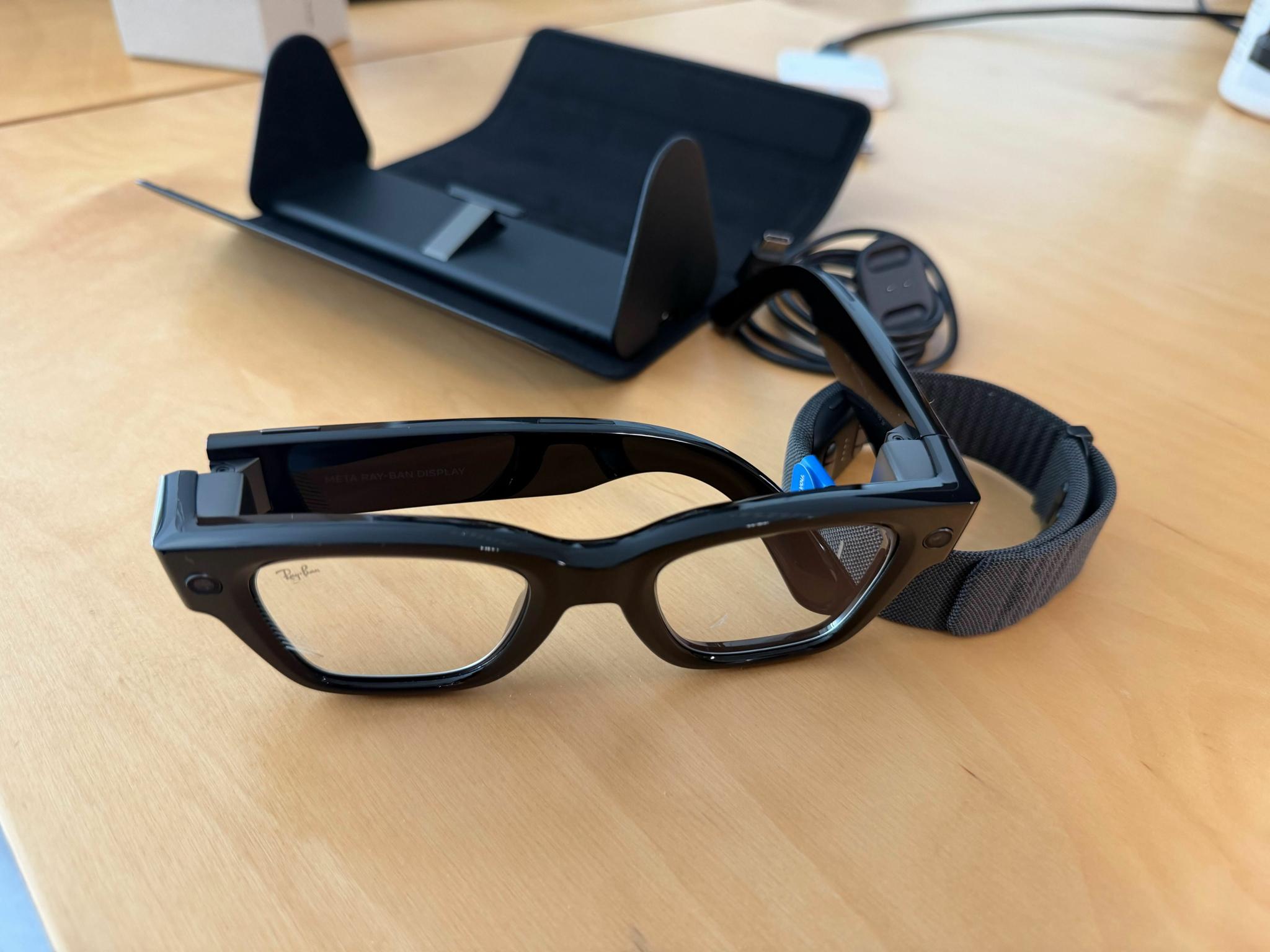
L+R served as a key alpha partner in Meta's launch of the Ray-Ban Display developer ecosystem, helping refine the platform's tools and releasing open-source "baseplate" applications to demonstrate the potential of wearable, hands-free computing.
Today, Meta publicly launched the Display bundle for developers — opening up Web Apps Dev Mode and the Device Access Toolkit (DAT) Display Developer Preview for Meta Ray-Ban Display glasses. We’re proud to share that L+R was one of the alpha partners invited to build on the platform from the start, and our work contributed to what’s shipping to developers worldwide.
Today's announcement
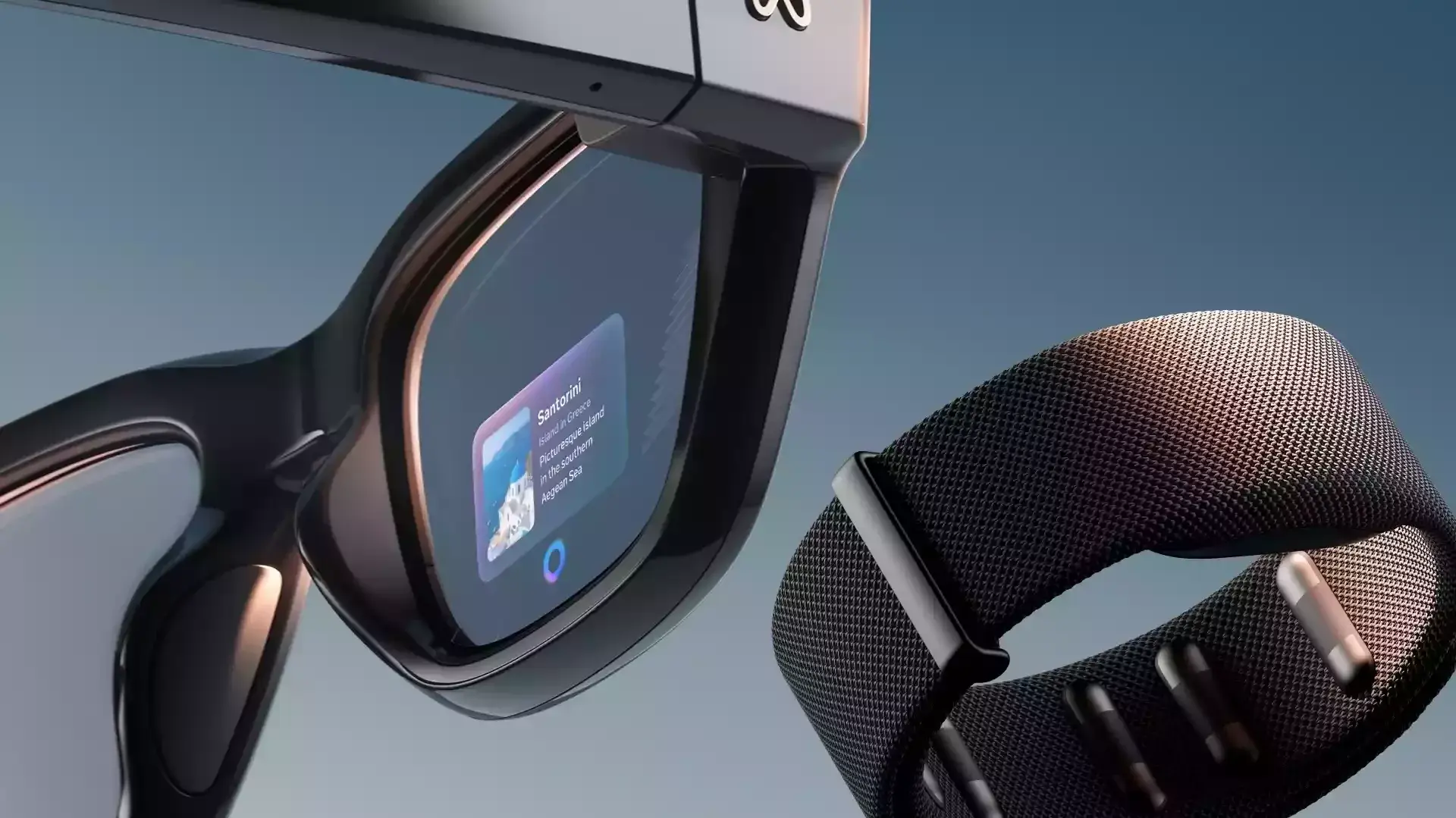
Meta launched the Display bundle for developers today: Web Apps Dev Mode and the Device Access Toolkit (DAT) Display Developer Preview for Meta Ray-Ban Display glasses.
There are two paths to build. Web Apps lets you create standalone display experiences using HTML, CSS, and JavaScript. The Device Access Toolkit extends existing iOS and Android apps onto the display. Both are paired with the Meta Neural Band, which adds a gesture-based input model. It runs on glasses already in people’s hands.
The quiet return of personal computing
For most of the last twenty years, computing has not really been personal. It has been pocket-sized, but pocket-sized is not the same thing. A phone is a portal to other people’s services. It pulls you out of whatever you were doing and into a glowing rectangle where someone else decides what you see next.
Personal computing was the older idea. A machine that helps you do the things you want to do, on your terms, in the rhythm of your actual life. A metronome when you’re practicing guitar. A counter when you’re keeping track of laps in the pool. A timer when you’re cooking and your hands are full.
The new generation of wearable hardware — display glasses in particular — is interesting because it brings that older idea back. The information you need shows up where you already are. You don’t reach for it. You don’t get pulled away from what you were doing. The computer, finally, is small enough to be useful without being demanding.
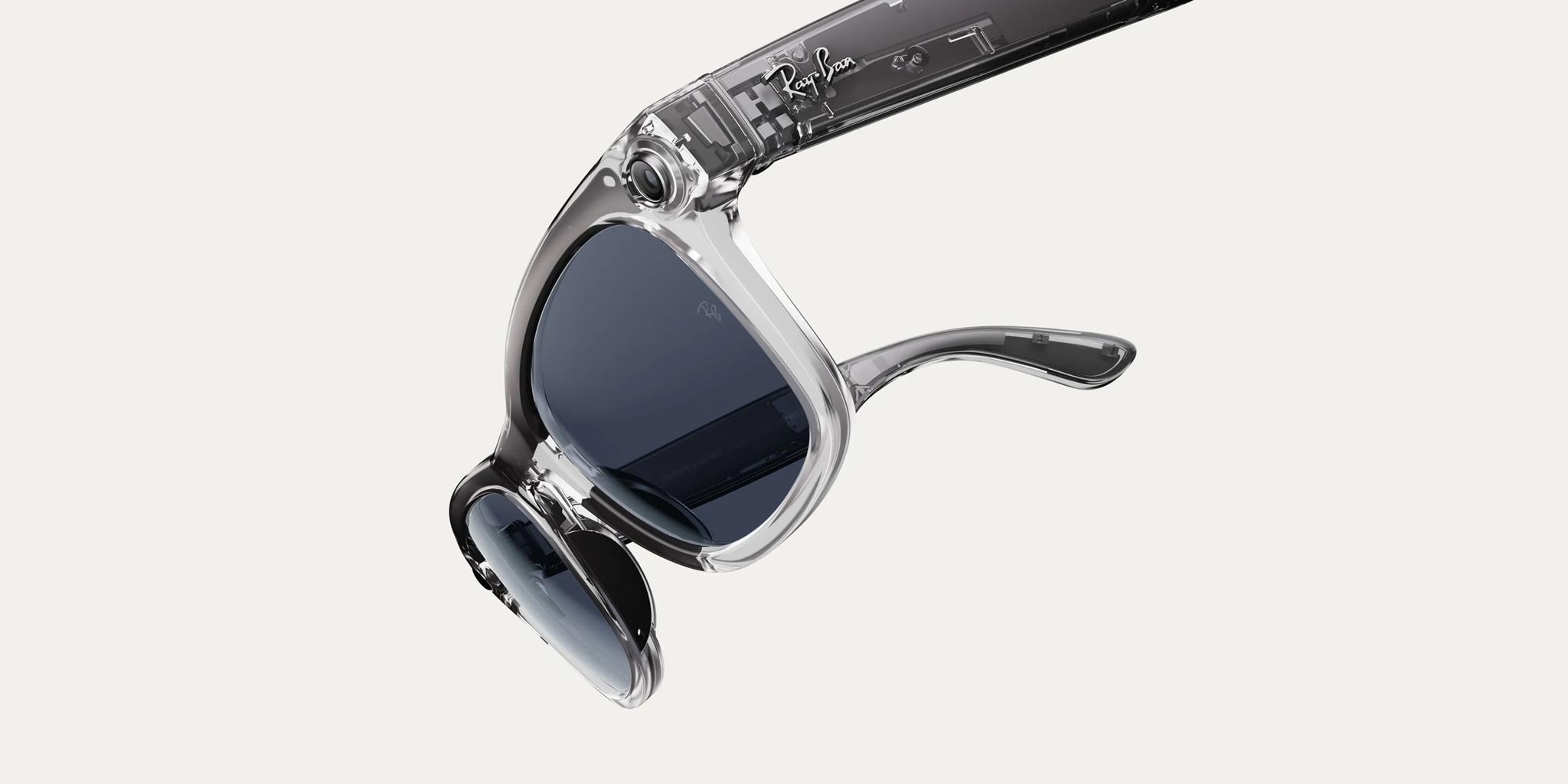
Meta Ray-Ban Display, which opens to developers today, is one of the first consumer devices that delivers on that idea in a form people will actually wear.
Our role
A platform is only as good as the friction it removes. The faster a person can move from “I have an idea” to “the idea is running on my face,” the more often ideas actually get tried. We worked with Meta on the parts of the developer experience that determine how fast that loop runs — so that someone with a small, useful idea can have a working version of it without an afternoon of setup.
Meta opened the door early and let us help shape what comes out of it. That kind of partnership is how good platforms get built.”
Ivan Leider
Director of Engineering • L+R

Ivan Leider
Director of Engineering • L+R
What we have built (so far)
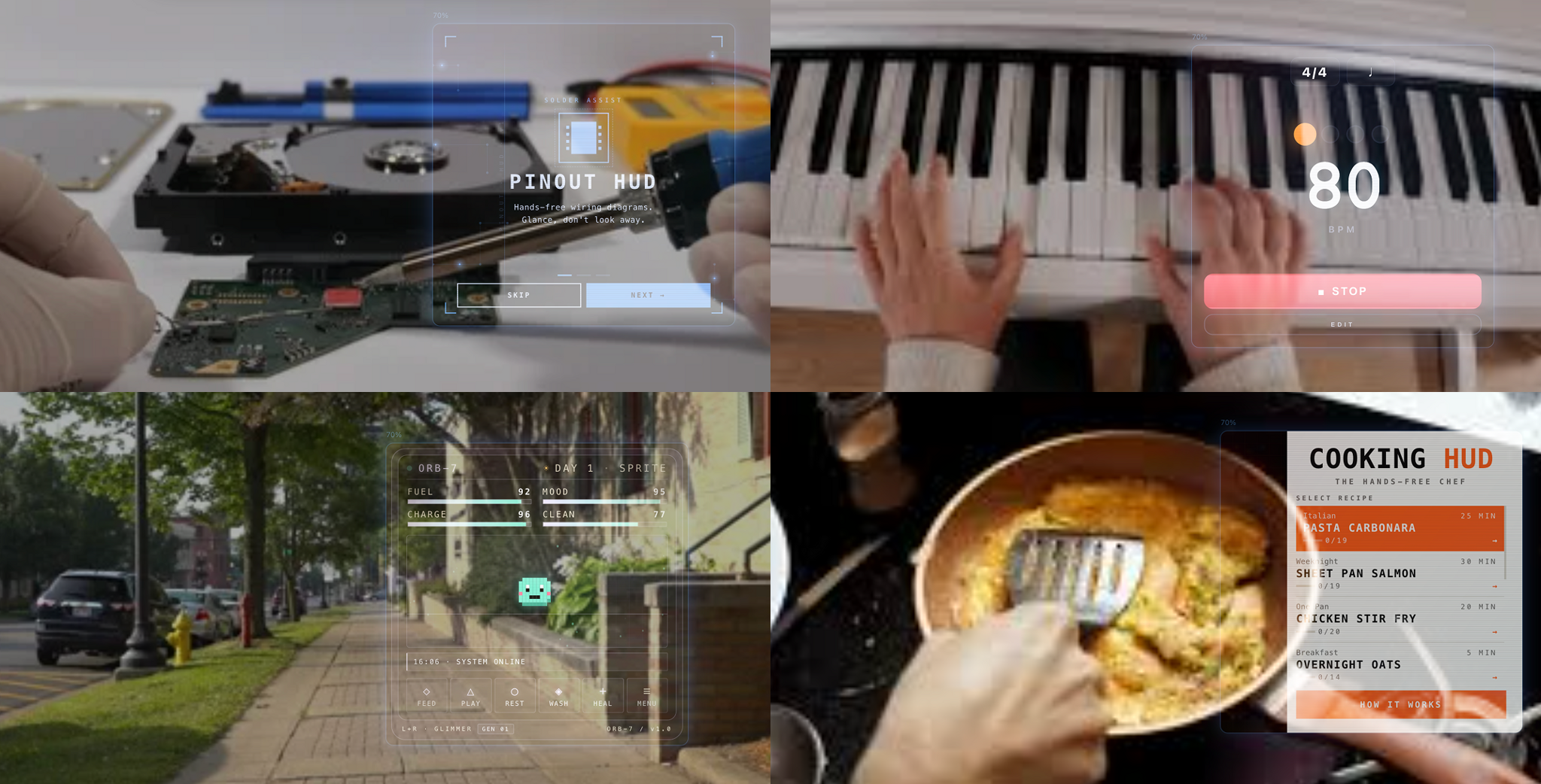
To pressure-test the platform, we built six small apps. They are not meant to be impressive in the traditional sense. They are meant to demonstrate what becomes ordinary when a useful screen is always in your line of sight.
- Metronome — a steady pulse for musicians, visible without lifting a hand from the instrument.
- Tally Counter — for the moments in life that involve counting things, which turn out to be more frequent than you’d think.
- Toothbrush Coach — a quiet two-minute companion in front of the bathroom mirror.
- Cooking HUD — timers, conversions, and the next step in a recipe, displayed while your hands are busy.
- Zork I Tribute — a small love letter to text adventures, rendered in the format they were always meant for: a single line of text floating in the world.
- GLIMMER — a Tamagotchi-inspired companion that lives in the corner of your eye.
Our future-looking intention
We are sharing all six as what we call baseplates — open-source starting points, not finished products. We believe in open source because the fastest way for a new platform to find its footing is for the early work to be readable, forkable, and easy to learn from. Someone else’s metronome should be the thing you study for an afternoon and then improve on, not a black box you admire from a distance. The six apps above are meant to be lifted, remixed, and made better.
For teams considering what this platform could mean for their product, our Emerging Technology Acceleration Program (ETAP) is a structured path from concept to working prototype. Contact us today.
Start building → wearables.developer.meta.com/docs