Mobile Application Development
Mobile App Development for iOS, Android, and connected devices
Your phone's apps now run more than the phone: home safety systems, skyscraper lights, smart glasses. Building them means iOS, Android, and every device they talk to.
About this service
Browse Some Of The Apps We've Shipped To The App Store And Google Play.





Teams We've Built Mobile Apps With
Some of these partnerships span nearly a decade, from first release to the version running today.


Where Our Mobile Apps Run
A mobile build answers to more than its code: regulated data in health care, offline resilience for field and nonprofit work, and the store review that gates every release.
How We Build Mobile Apps
L+R carries an app from research and UX/UI design through engineering, launch, and ongoing maintenance.
Common Questions About Mobile App Development
Native or hybrid, connected hardware, glasses, how we scope the full build, and how to judge the result.
Both, and the product decides which. Flutter gives you one codebase for iOS and Android; native code earns its place when an app leans hard on one platform’s hardware. We chose Flutter for Spireworks 2.0, the app that lets anyone change the lights on New York skyscrapers, and we’ve moved a live app to Flutter while the old one kept running. We make the call with you before the architecture is set.
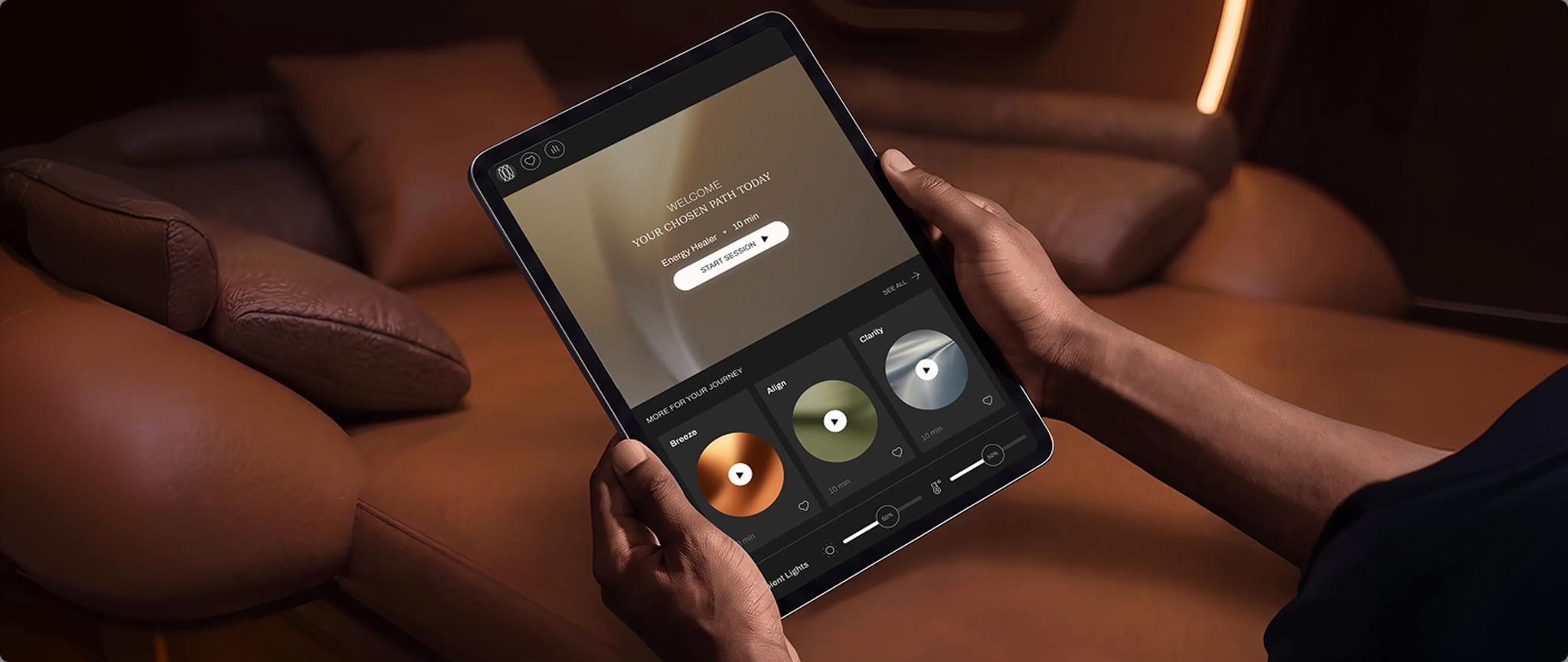
Yes. We build the apps that drive connected hardware, from home safety systems to skincare and wellness devices, and we work with the client’s firmware team when the hardware needs working around. On SATYA, one Flutter codebase runs a wellness device’s built-in console and its companion app. Glasses are the newest hardware we build for, and the same engineering carries into our smart glasses app development work.
Because most of a wearable app lives on the phone. The glasses capture a moment or answer a question; pairing, accounts, and anything you'd read twice stay in the mobile app. We worked with Meta as an early partner on the Wearables Device Access Toolkit, the SDK that lets apps reach its glasses. Our Flutter plugin for the toolkit is open source. Brush Coach, which registers your brushing strokes on Ray-Ban Meta Display, is one result. More of that work is on our wearable tech page.
We start with what the app has to do on day one and what can wait for version two. The platform call and the backend integrations shape the estimate most, and both get settled before we quote. When the product needs defining first, the same scope folds in our UX/UI design work, from user research to production screens. Tell us what you're building and we'll start there.
Four things you can measure once it ships. High performance is reflected in smooth frames and fast load times, whatever the framework. Robustness, in crashes that are rare and recover cleanly, and in battery use that respects the phone. A seamless experience, in a flow a first-time user finishes without instructions. And a good build keeps shipping updates after launch, as the platforms around it change. We hold our own work, native or Flutter, to the same list.