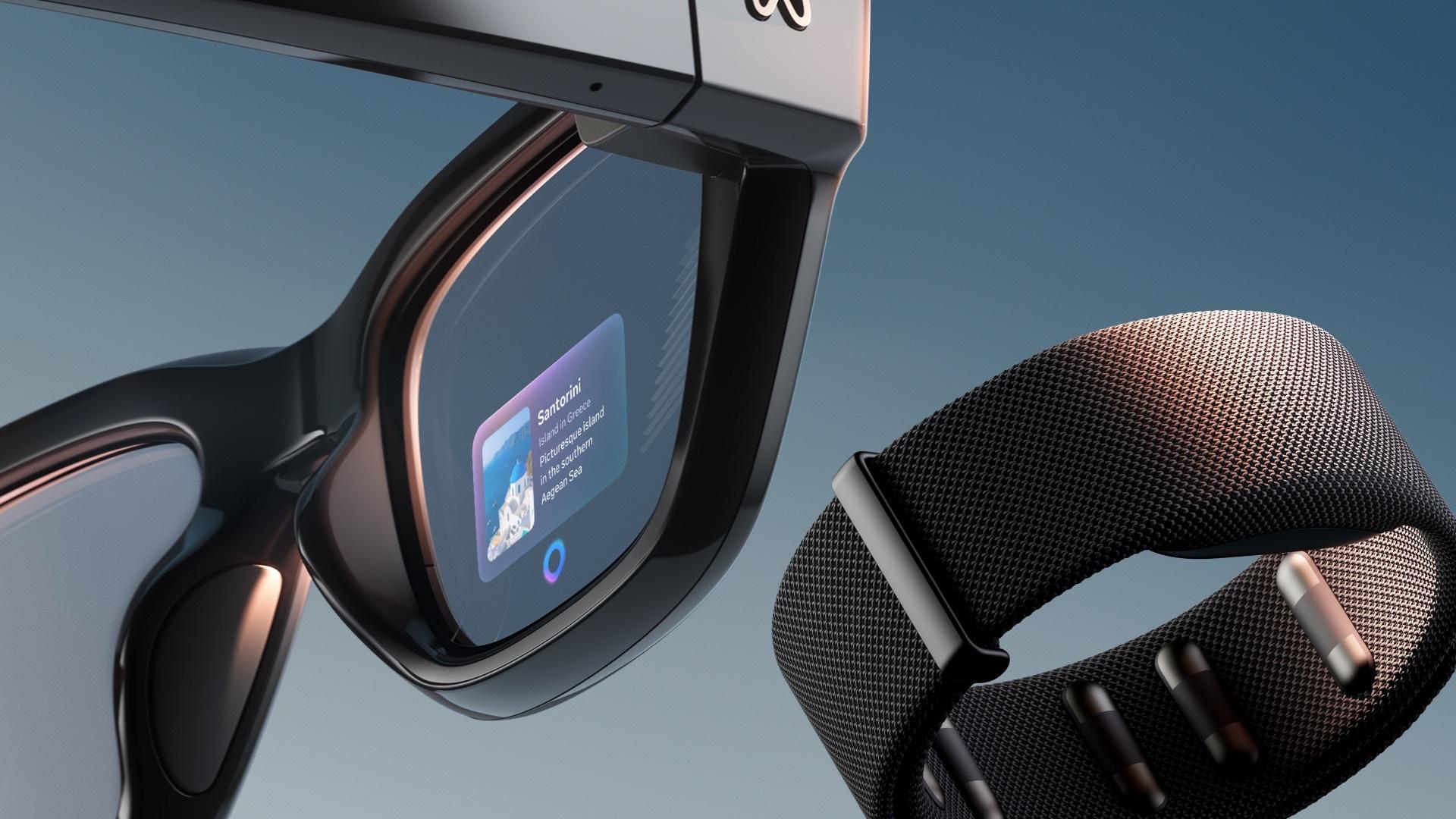
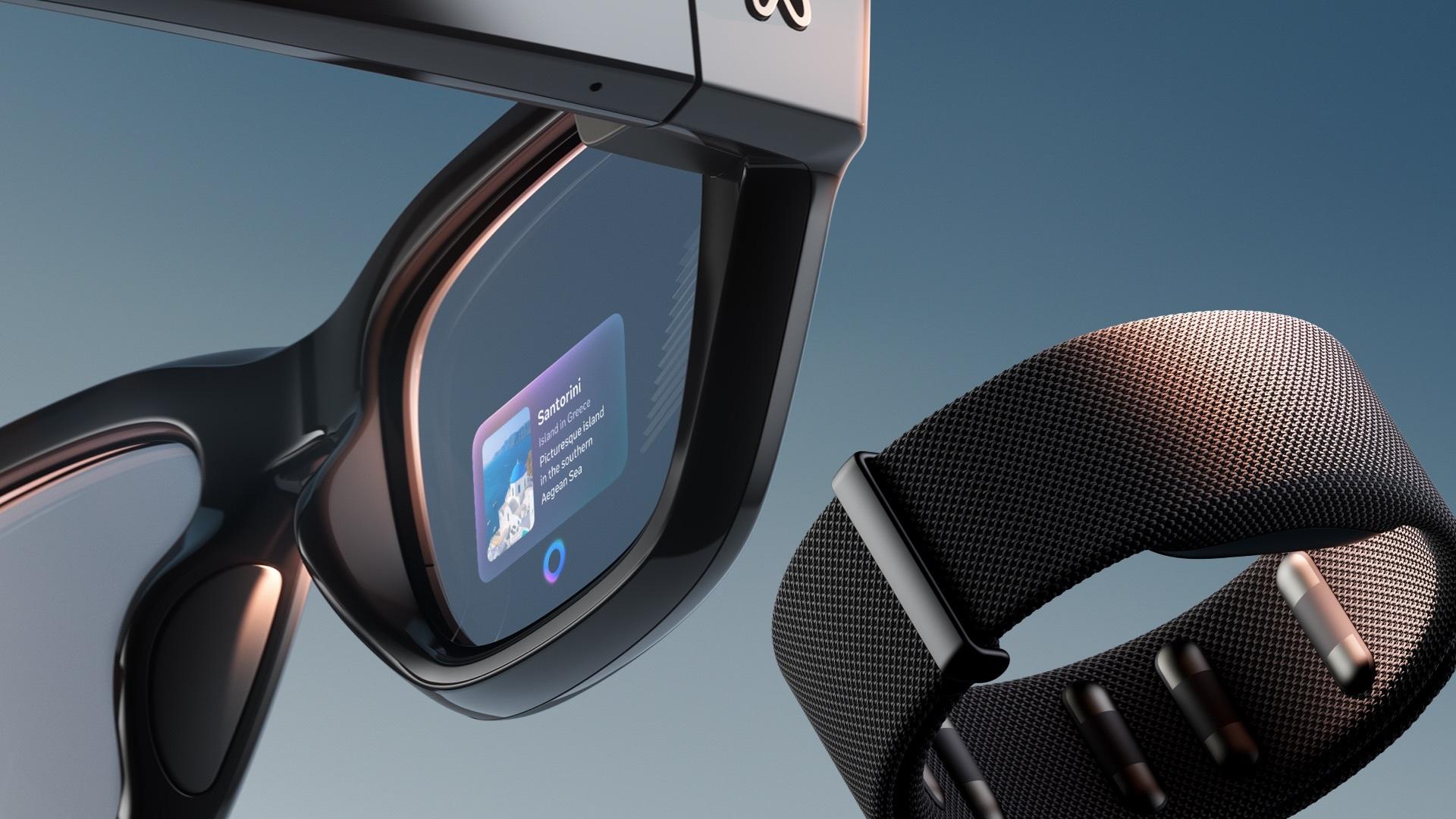
Ray-Ban Display glasses embed a transparent display directly in the lens, projecting information into your line of sight without blocking what's in front of you. Think of it as a heads-up display you wear all day. Paired with the Meta Neural Band worn on the wrist, they respond to simple hand gestures — no touchscreen, no voice commands, no reaching for anything. It's a computer you wear, not one you carry.
Electronics hobbyists and hardware developers
Anyone working with microcontrollers, building custom circuits, or running soldering projects where a pinout diagram needs to be close at hand throughout the work.
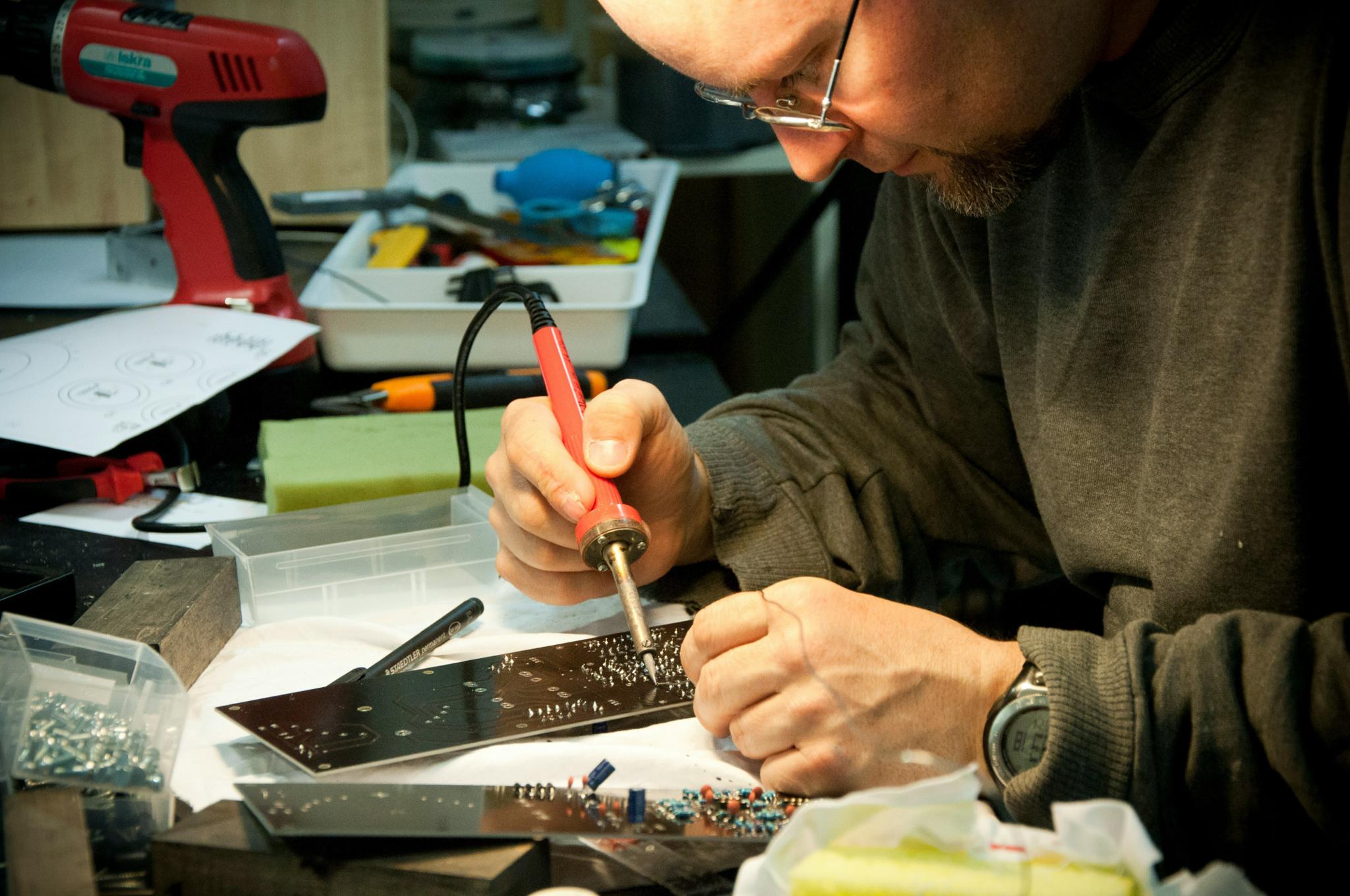
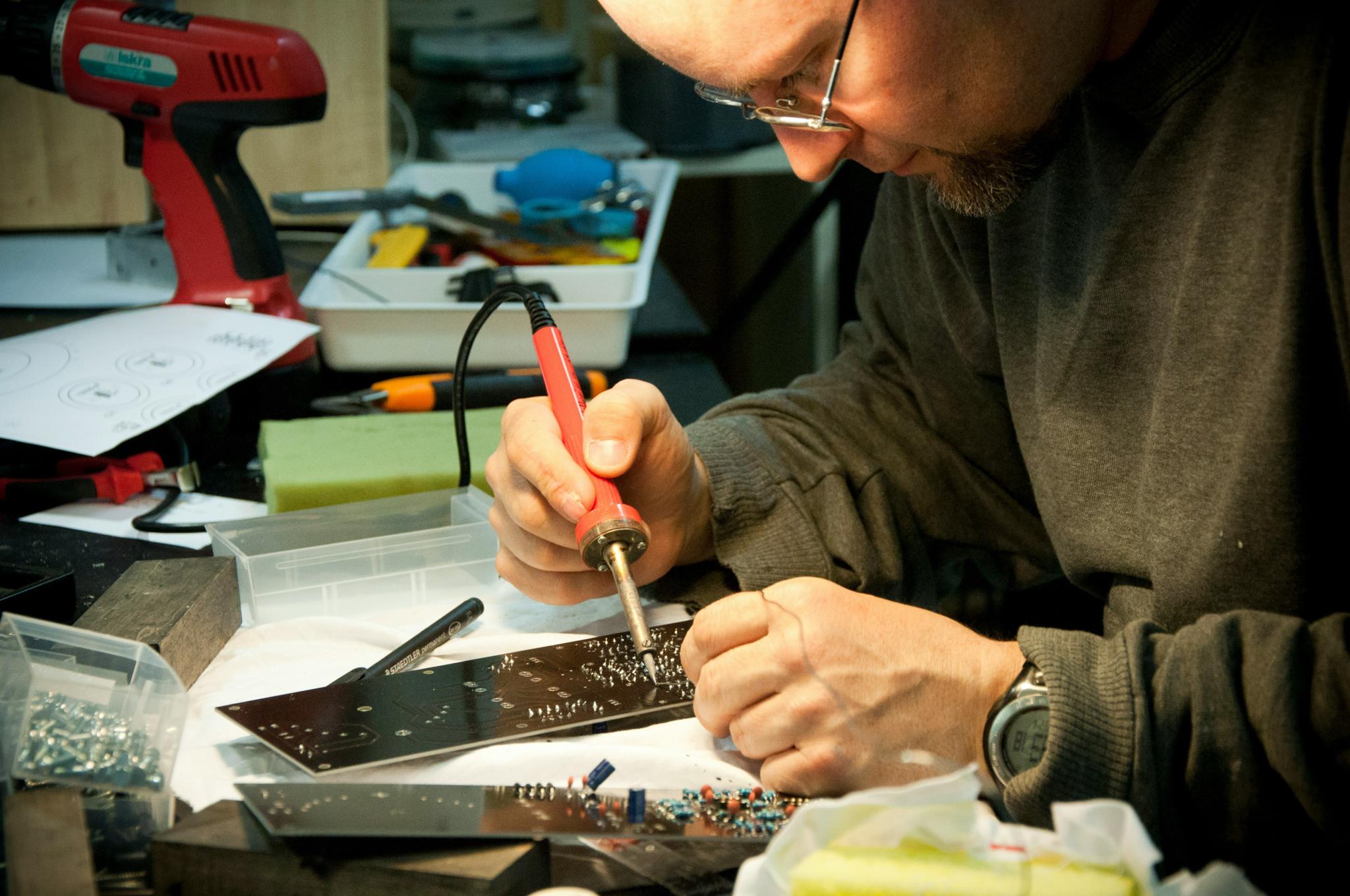
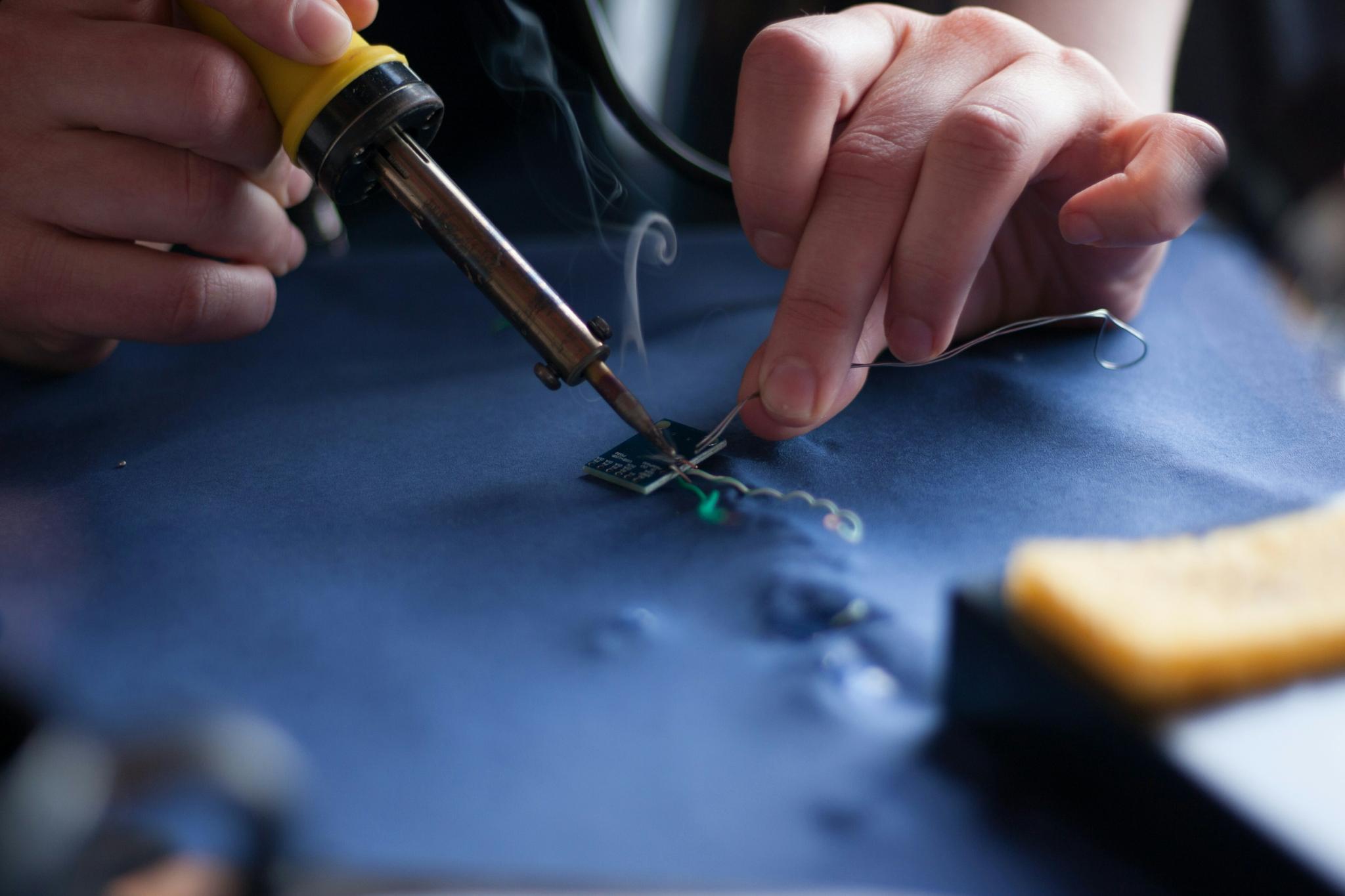
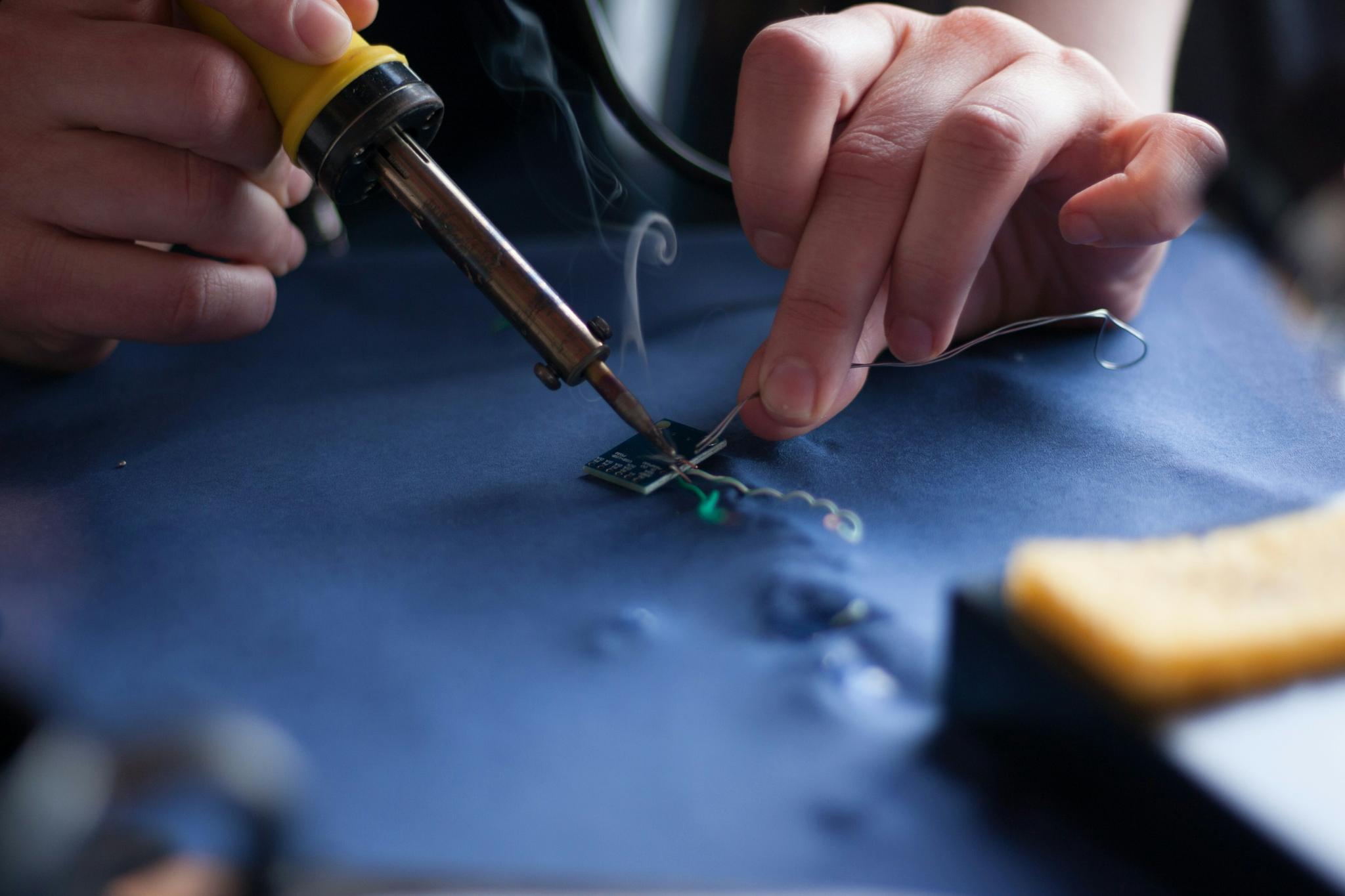
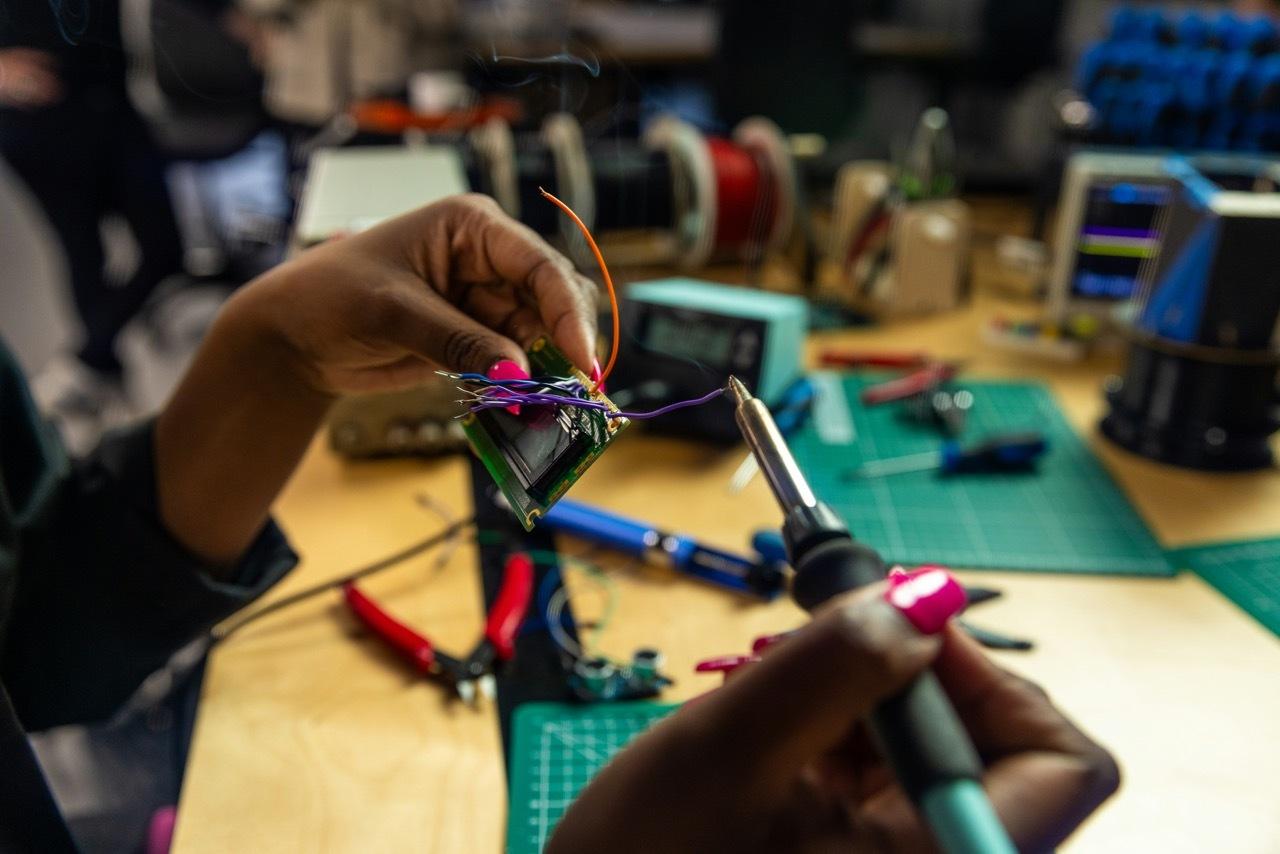
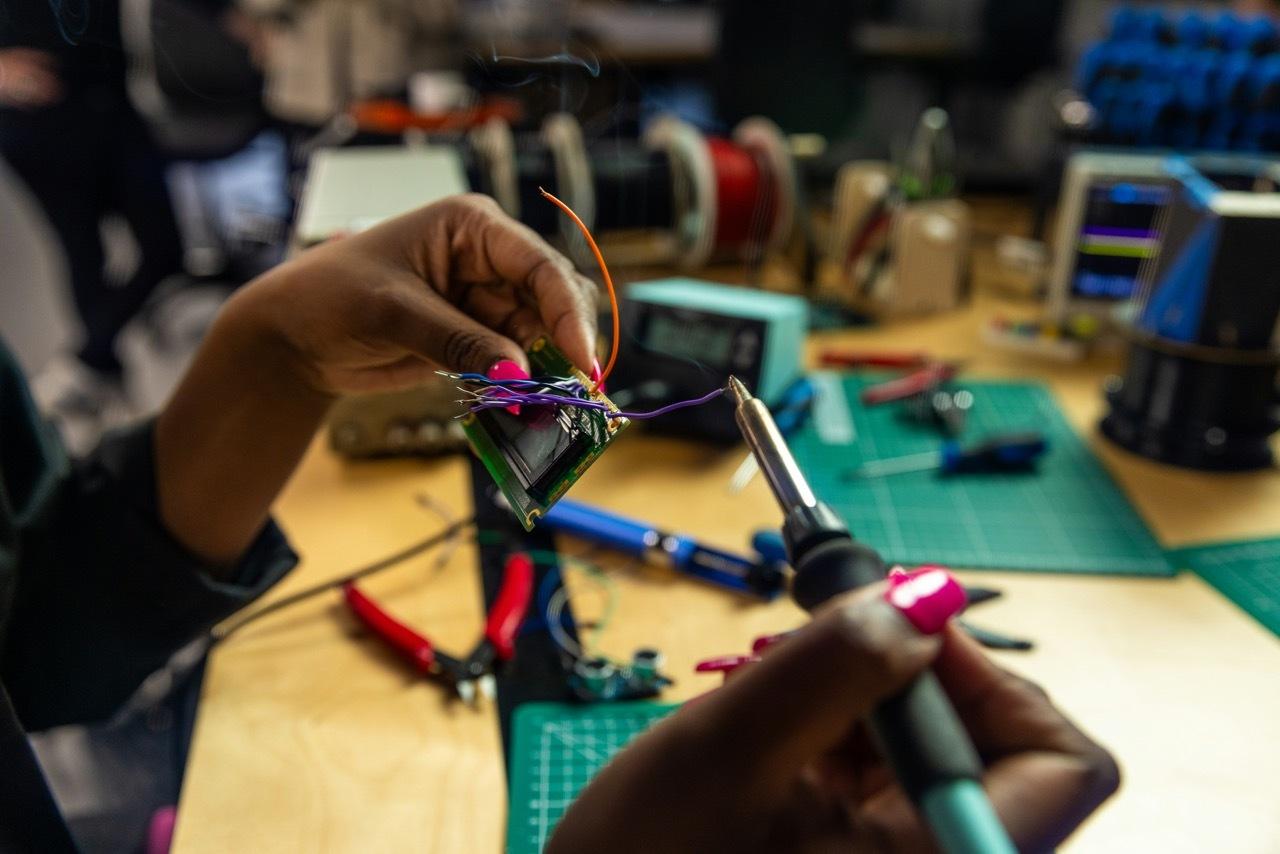
The diagram, overlaid on your work.
A persistent pin reference in your field of view, color-coded to match your physical wiring so you're never translating between a diagram and the board in front of you.
Pinout comes loaded with diagrams for the ESP32-S3 and a handful of other common boards. Select your board and the HUD shows pin labels with color-coded wire assignments. If your board isn't in the library, the custom board creator lets you build your own — matched exactly to your project.
An open-source starting point from our team
This is a Baseplate application — one of dozens of open-source foundations built by L+R as part of our alpha partnership with Meta on the Ray-Ban Display platform. Baseplates aren't always finished products. They're minimal, readable, and forkable. Built to show what's possible and give developers a working foundation to learn from and build on.
Pinout HUD uses spatial computing to keep technical reference information visible when hands and attention are occupied. The larger challenge is making specialized tools fit the work instead of interrupting it. The work is strongest when strategy, design, engineering, and craft move together, which is how L+R turns emerging technology, including practical AI, into business advantage. If your workflow needs a smarter interface, let's turn it into a plan.