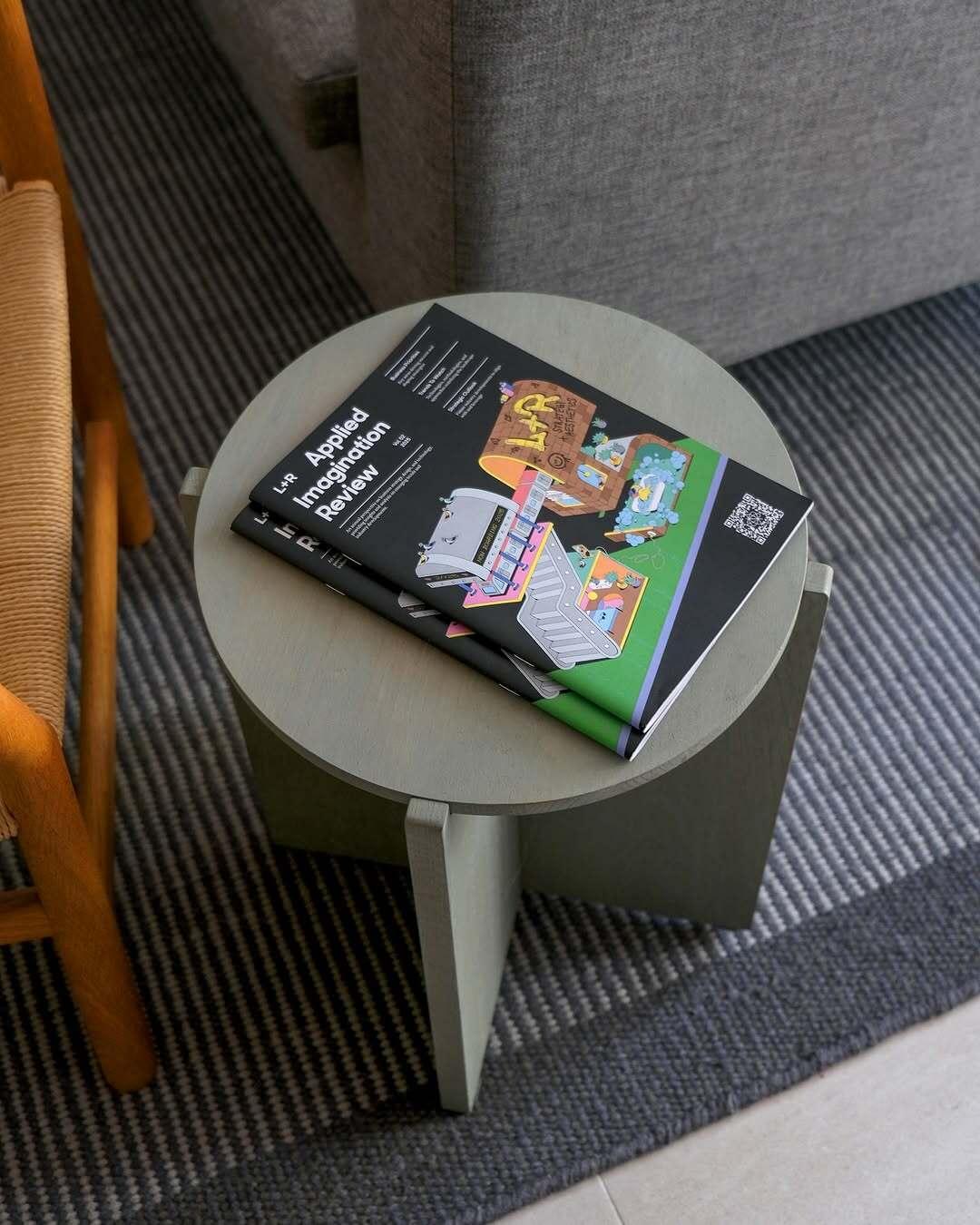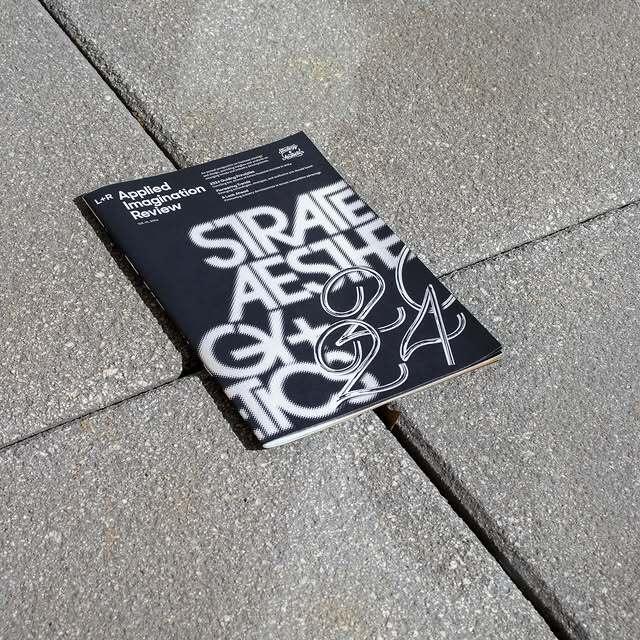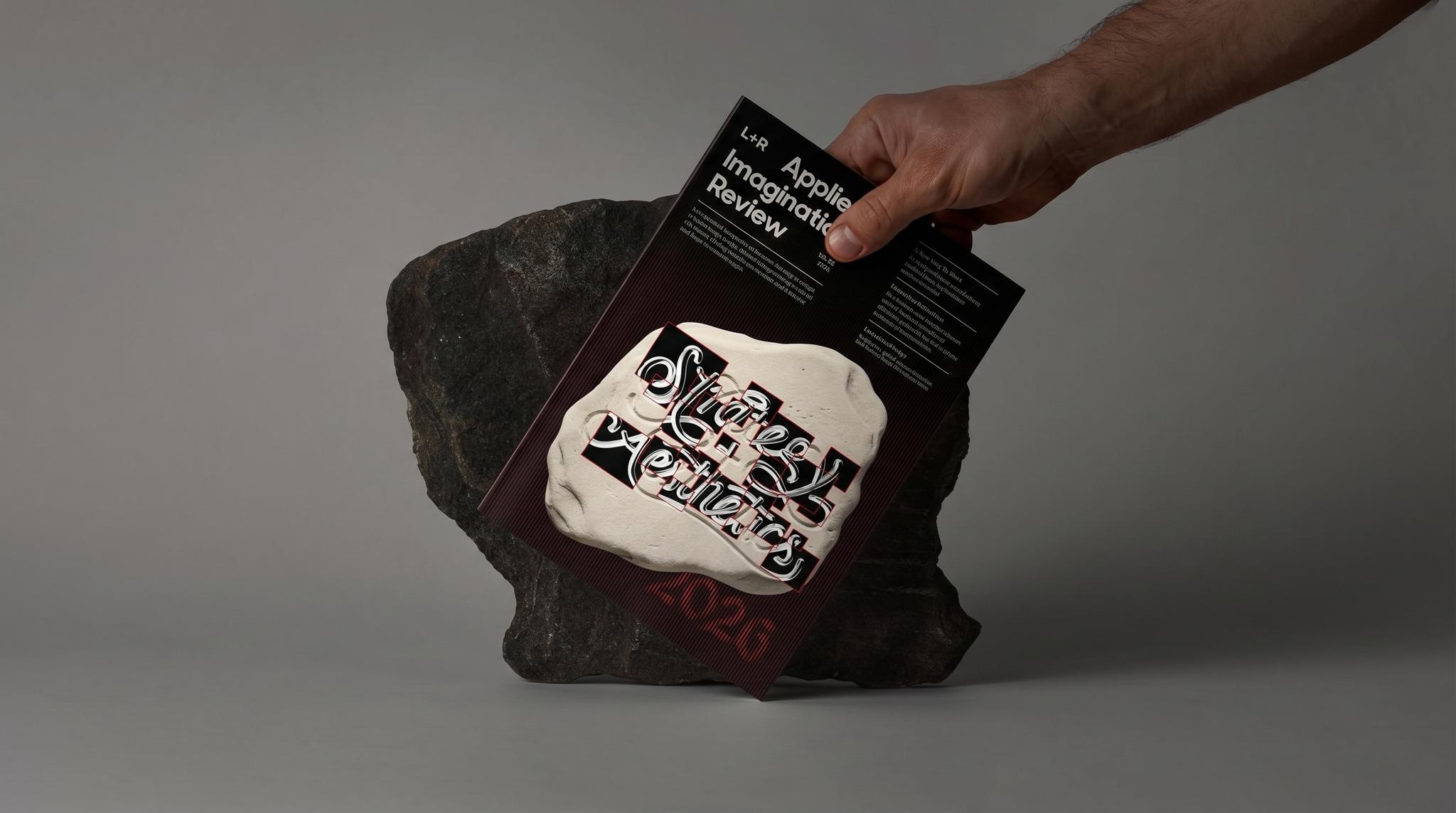
The third volume of the L+R Applied Imagination Review is now available. Across the first two editions, in 2024 and 2025, the Review grew from a way of documenting what we were learning into a resource that leaders return to each year. The readership has continued to expand, the feedback has stayed candid and useful, and each edition has let us produce more and go further than the last. Volume Three is our most collaborative effort yet, drawing on perspectives from every department at the studio.
Mark Twain observed that history does not repeat itself, but it rhymes, and technology follows the same pattern. What is celebrated as a breakthrough becomes commonplace, then makes way for what comes next. The question guiding this edition is not whether to embrace the new, but whether the new actually serves us, and when to let go of the old. That framing led us to a theme we call Immersive Operations. If digital transformation digitized the analog, this next phase moves beyond text and screens to where physical presence and digital integration meet. The value of AI, in our view, appears only when that computing power has the right body: hardware that conforms to us rather than the reverse, an idea that runs from Marshall McLuhan's understanding of the medium to Henry Dreyfuss's reminder that man is the measure of all things.
The clearest shift this year is in the question itself. We have moved from "what can we build?" to "how do we organize ourselves to make it work?" The advance of agentic AI and spatial computing has raised the stakes on human oversight rather than removing it, and the operational rhythm that turns vision into durable value has become the real differentiator. For that reason, this volume includes a dedicated look at the operations function for the first time, alongside expanded perspectives from our strategy, design, and engineering leads. It sets out six guiding principles for 2026 and the trends we see across each discipline, grounded as always in work from our portfolio at L+R.
I led this edition as editor-in-chief, with associate editor Sonia Shah and contributing editors Julia Keller and Rachel Smith. Ben Weiyang Wu served as creative director, with Peggy Chen as illustrator and designer, and together they shaped the look of the volume. Our thanks go to the contributors whose insights anchor it, including Iván Leider, Julia Keller, María Fernanda Quevedo, Maximilian Benner, Ryan Riegner, Valerie Rabot, and Abhishek Patil, and to the wider L+R team and the partners and collaborators who supported the work.
You can request the 2026 Review at magazine.levinriegner.com. This year, printed copies are also available in person: in New York City at Parsons School of Design Strategies and CASA Magazines, and in Barcelona, Spain at Talent Garden, all while supplies last. We are also glad to send earlier editions, including the 2024 and 2025 volumes, are also available for readers who would like to follow how the perspective has evolved.
— Alex Levin
Editor-in-Chief, L+R Applied Imagination Review