Smart Glasses App Development
Smart Glasses & AI Glasses App Development for the next wearable platform
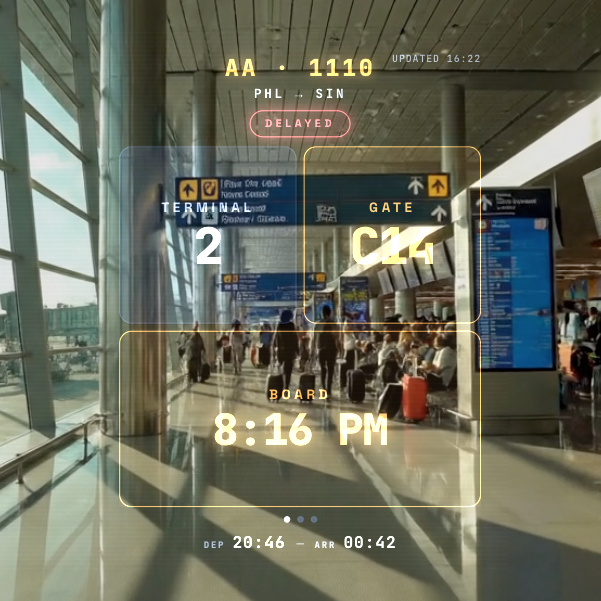
The display is moving from your hand to your line of sight. Apps for smart glasses put contextual, hands-free experiences where attention already lives, built for the hardware and platforms defining the category.

About this service
Dive Into The Smart Glasses Work We've Already Shipped.





Where Glasses Change The Work First
Smart glasses aren't a single market. The shift from screen to sightline reaches some work sooner than the rest.
Our Process For Smart Glasses Apps
L+R prototypes the moments worth surfacing on your glasses, then ships a build that holds up off the bench.
What To Know About Smart Glasses App Development
The category, the platforms, and where to start.
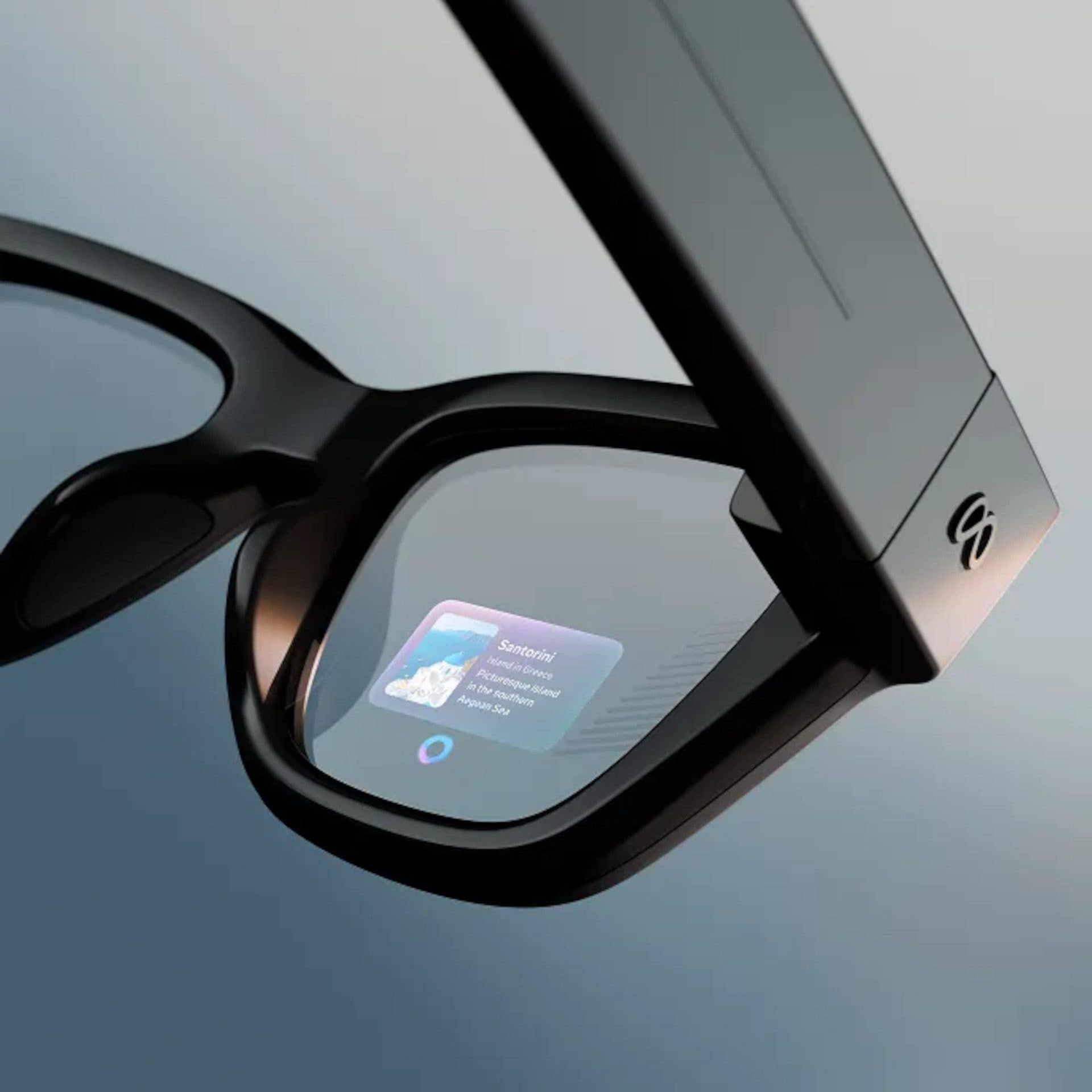
Smart glasses are eyewear with a camera, microphones, and speakers built in. An app can see what you see, hear what you ask, and answer out loud. AI glasses build that around an always-available assistant, and some add a small display in the lens. Meta's lineup alone includes Ray-Ban Meta, Ray-Ban Meta Display, Oakley Meta, and Meta AI glasses.
The ones that work with your context instead of pulling you into a screen: information arrives in your line of sight or by voice, right when it’s needed, and gets out of the way. Today that spans assistance, translation, navigation, and live updates, to name a few, and the range widens with every platform release. Talking Point is one we built: it reads text aloud when you point at it, using 100% on-device AI.
The ones your users already wear, and let the interaction pick the hardware. Voice and camera first? Ray-Ban Meta and Oakley Meta cover it. Something to read at a glance? You'll want a display in the lens. Our Ray-Ban Meta page goes device by device.
Still a short list, because the platforms only recently opened to developers. We're one of them, with glasses from our own device library and our tooling for Meta's toolkit in the open.
We're a studio for emerging technology, with strategy, design, and engineering on one team. A lot of our smart glasses work is public. Our free browser simulator of Ray-Ban Meta Display, displayglasses.dev, lets you load a URL and see how it reads without owning a pair. Our tooling for Meta's toolkit is open source.
Either. We take smart glasses and AI glasses work end to end, from feasibility through App Store submission, starting with a scoped prototype you can wear. For a named platform, see Ray-Ban Meta. For everything else you can wear, see wearable tech. Have a concept already? Tell us about it.