Web Application Development
Custom Web Application Development, built around how you work
Complex business needs turn websites into applications: permissions, data, and workflows. Custom web development starts there, building platforms that scale as the business evolves.

About this service
Take A Closer Look At The Platforms And Web Applications We've Shipped.

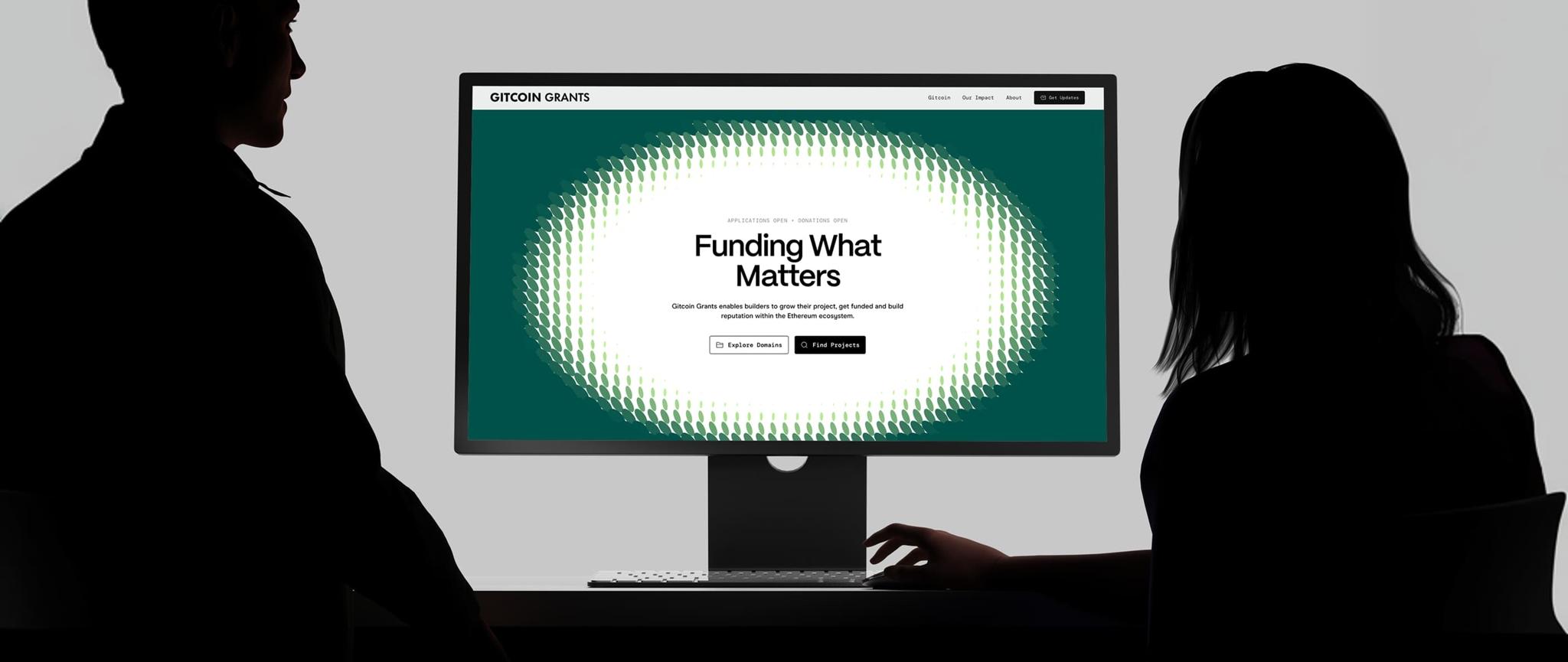







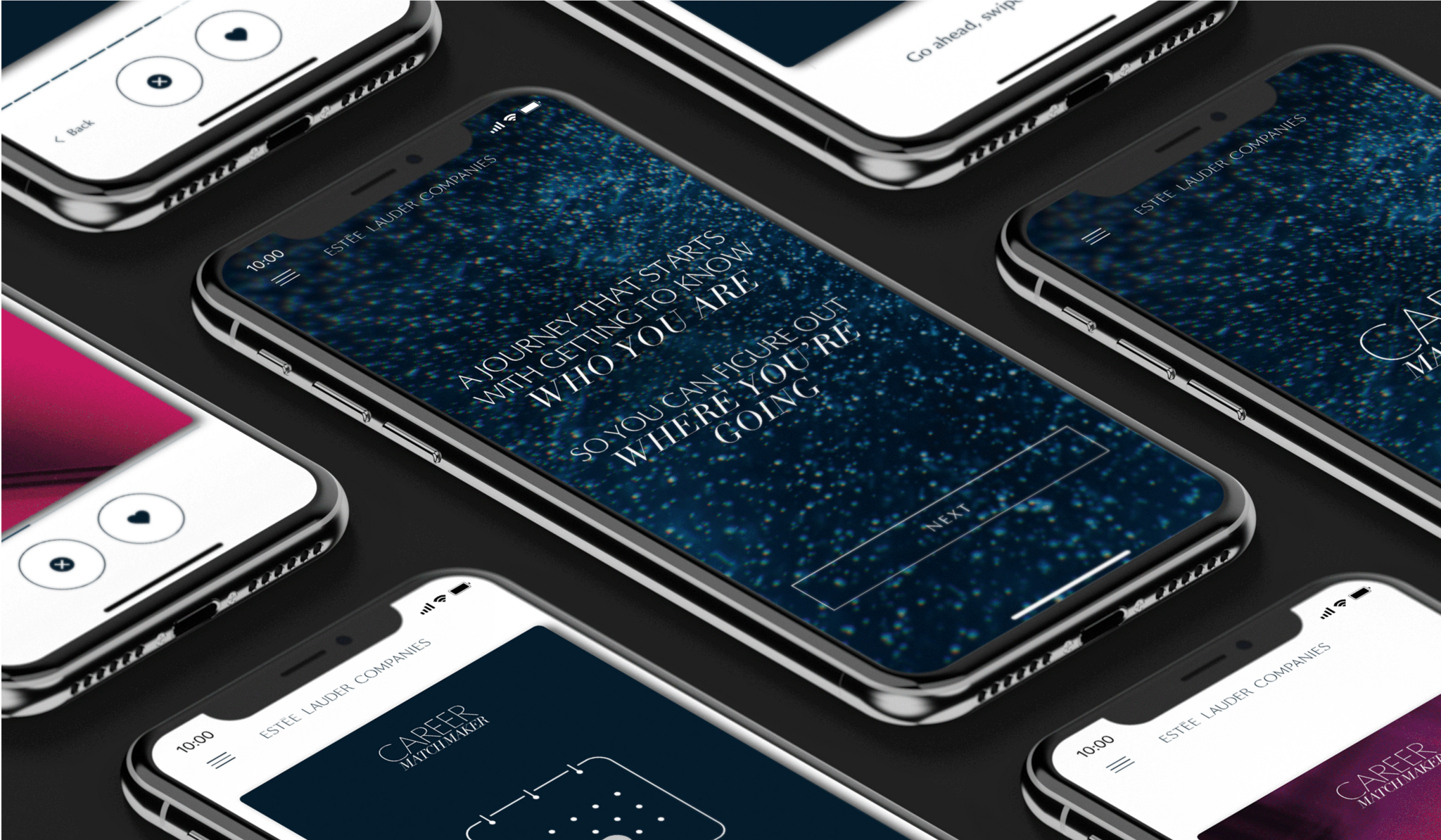


Businesses Running On Our Web Applications
Each of these clients runs part of its business on an application we built.




Industries Our Web Applications Serve
The hard part of a web application is rarely the interface. It's the rules underneath: who can see what, which systems it talks to, and what happens when those rules change.
From Application Map To Release
L+R takes web applications from research and strategy through design, engineering, and staged release, built for scale, performance, and security.
Common Questions About Working With A Web Application Development Company
What we build, how we scope it, and where a website ends and an application begins.
A website tells people something; a web application does something for them. If users log in, submit data, pay, or each see a different screen, you're building an application. That means a permissions model, an API layer, and integrations with the systems you already run. If the job is presenting a brand and turning visitors into leads, that's a website, and web design and development is where to start.
The levers are the same whether we're building new or improving an application that already exists: the permissions model, the API layer, and the integrations around them. On a new build, we settle those before any code ships. On an existing one, we profile where it slows down or leaks access and fix it in stages, so the product stays usable throughout. Either way, the work continues after release, because both degrade without maintenance.
Usually at one of three moments. An off-the-shelf platform has stopped bending to the way you work. Something built in-house has real users now and needs to become a product. Or what customers see has to be as solid as the system underneath it. Which one you're in decides where we'd start.
Yes. We start by mapping what's already there: who uses it, what it connects to, and which parts are worth keeping. Changes then ship in stages, and the people who rely on the product keep working the whole time.
Around the workflows the application has to carry at launch. In platform work, the permissions model and the integrations shape the estimate far more than the interface, so we settle those first. Tell us what it needs to do.