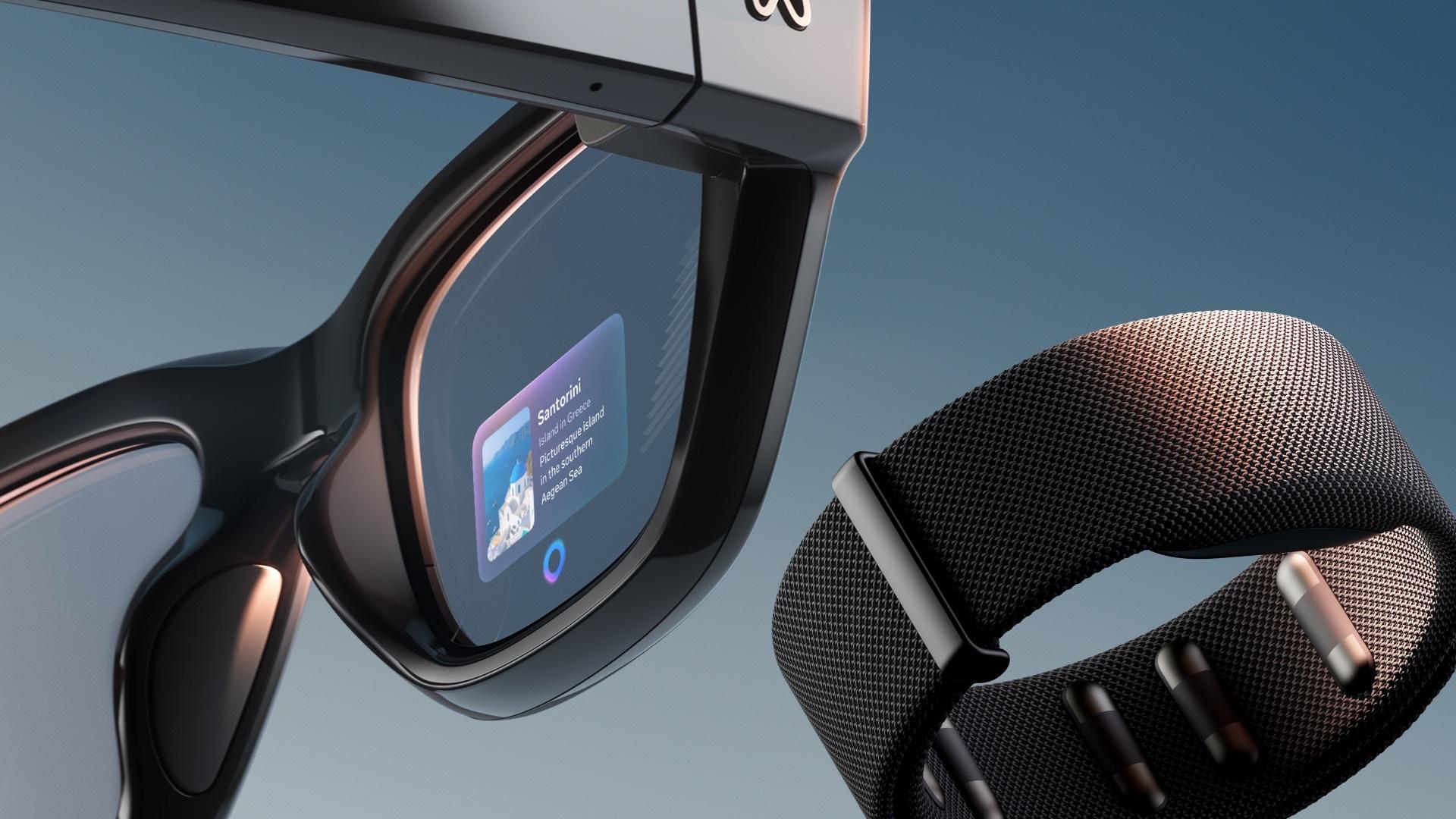
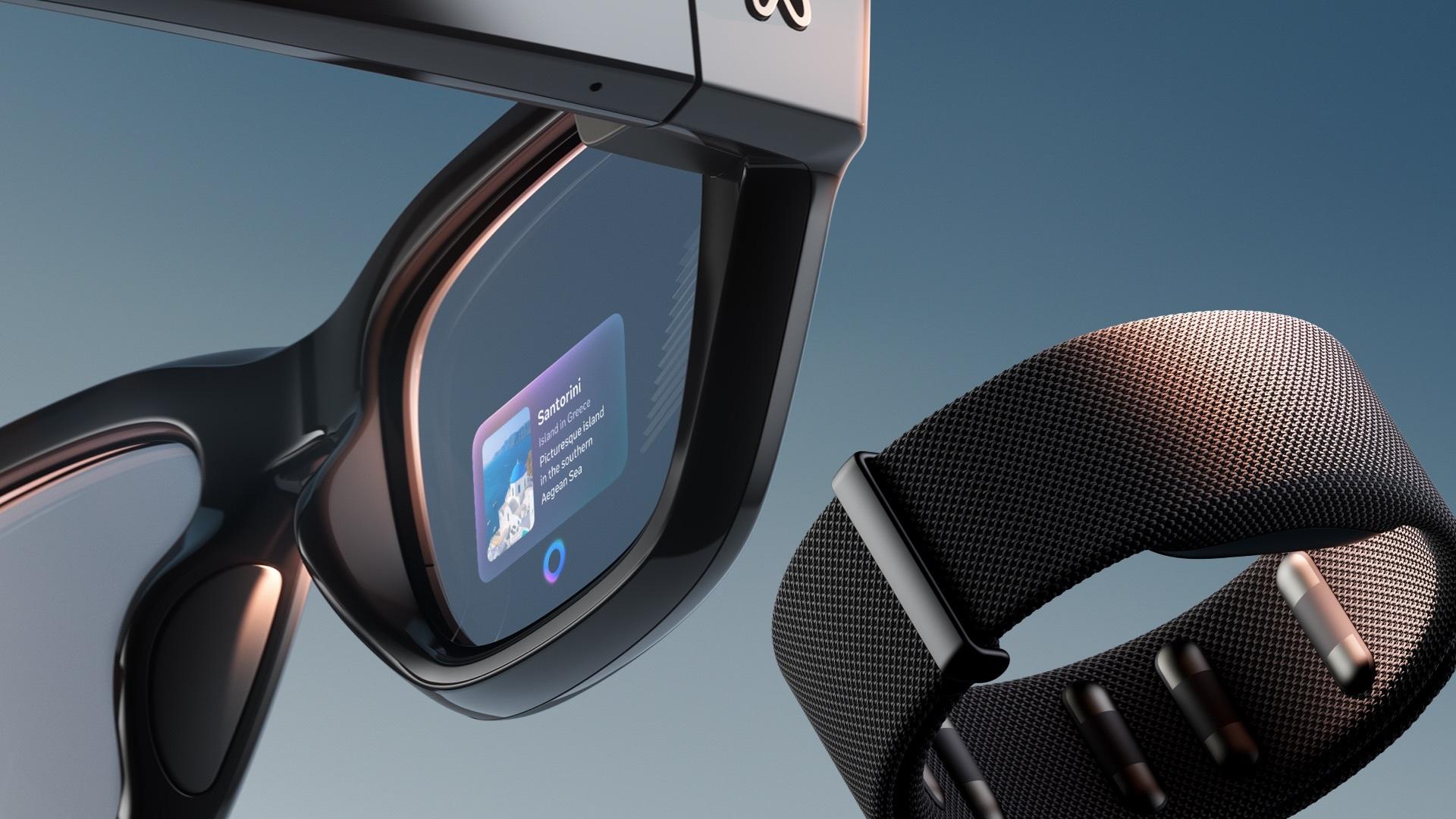
Ray-Ban Display glasses embed a transparent display directly in the lens, projecting information into your line of sight without blocking what's in front of you. Think of it as a heads-up display you wear all day. Paired with the Meta Neural Band worn on the wrist, they respond to simple hand gestures — no touchscreen, no voice commands, no reaching for anything. It's a computer you wear, not one you carry.
The futuristic and the competitive
Anyone who wants a real match against someone else, on whatever device they are using. Glasses, laptop, phone. Two players, any combination. If you want to win, you can play.


Fifty years old and still the purest way to beat someone
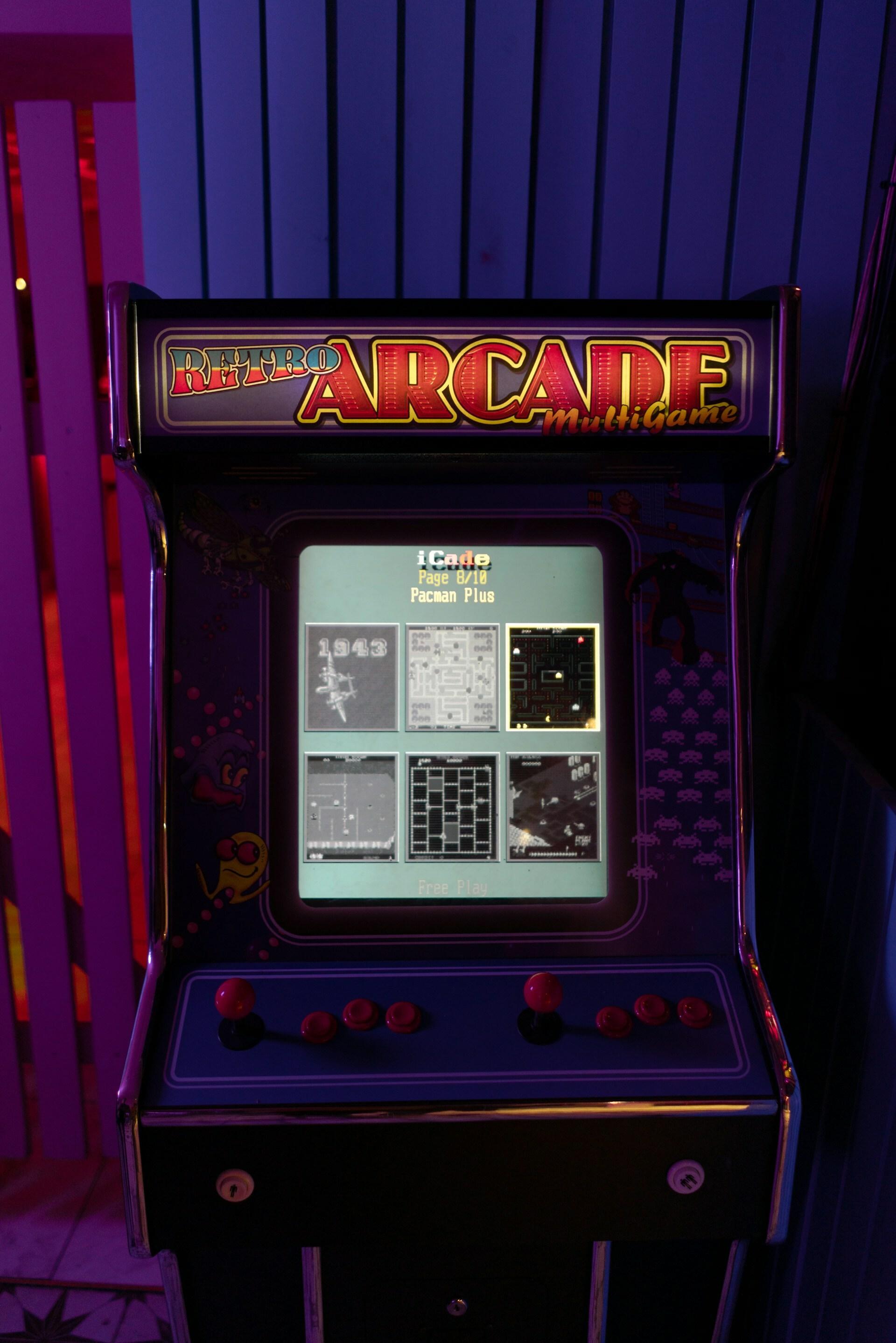
PONG is simple enough that it needs no explanation and fast enough that it proves a point. Two players, one ball, real stakes. We built it to show that real-time multiplayer on the Ray-Ban Display is not a future idea. It works right now, across every device in the room.
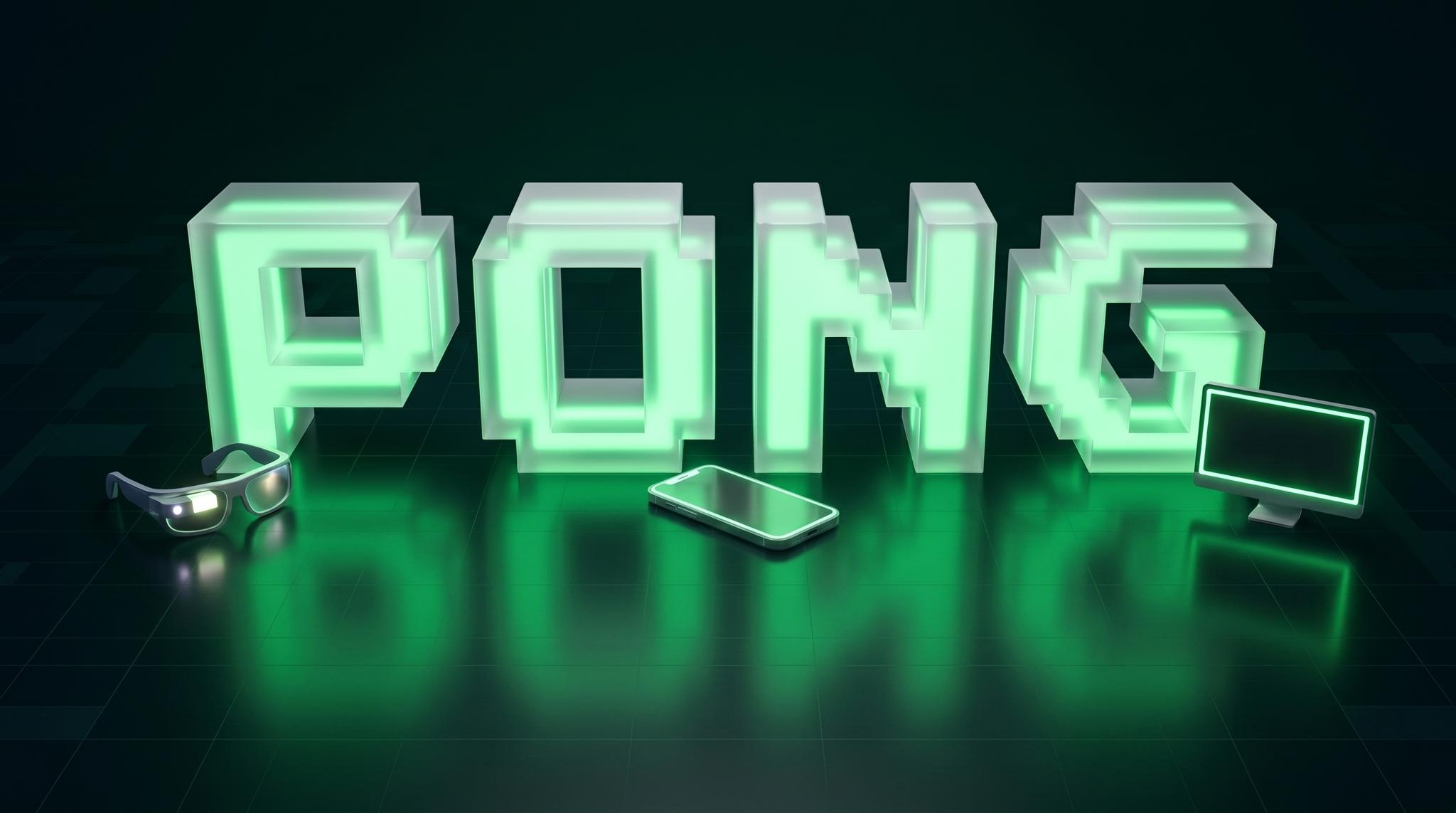

One player creates a game and gets a short room code. Their opponent enters that code on any device, glasses, phone, or computer, and the match starts instantly. A shared server keeps both sides in sync in real time. Controls adapt to whatever device you are playing on. On glasses the Neural Band handles input. On a phone or computer it works exactly as you would expect. No accounts, no setup, no waiting.
An open-source starting point from our team
This is a Baseplate application — one of dozens of open-source foundations built by L+R as part of our alpha partnership with Meta on the Ray-Ban Display platform. Baseplates aren't always finished products. They're minimal, readable, and forkable. Built to show what's possible and give developers a working foundation to learn from and build on.
PONG translated an iconic game idea into a new digital interaction. The broader challenge is making familiar concepts feel useful and engaging in a modern interface. At L+R, competitive advantage comes from the deliberate intersection of strategy, design, engineering, and craft, with AI treated as a useful collaborator when it serves the problem. If your idea needs a more playable product experience, start the conversation with us.