AI glasses change how products sense context
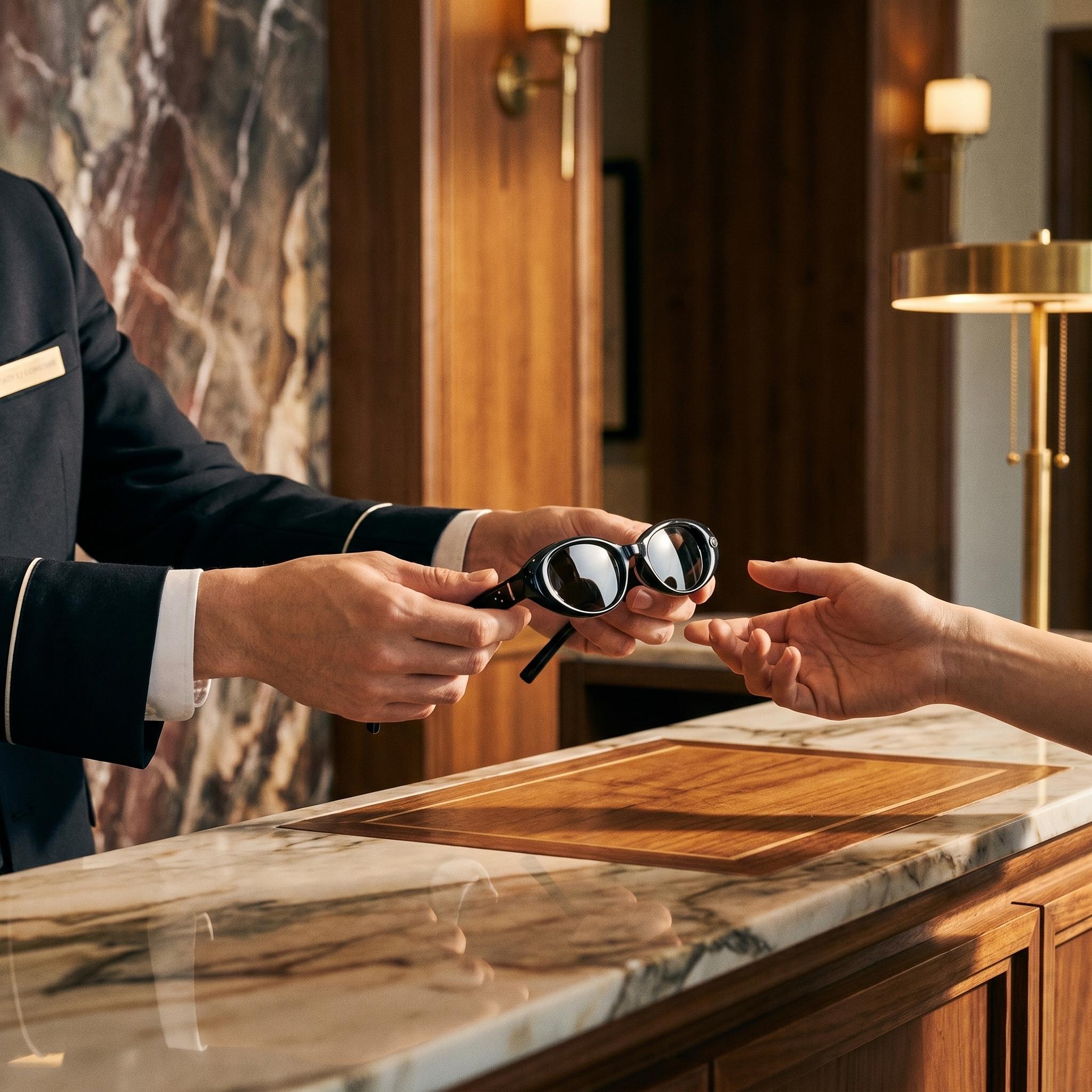
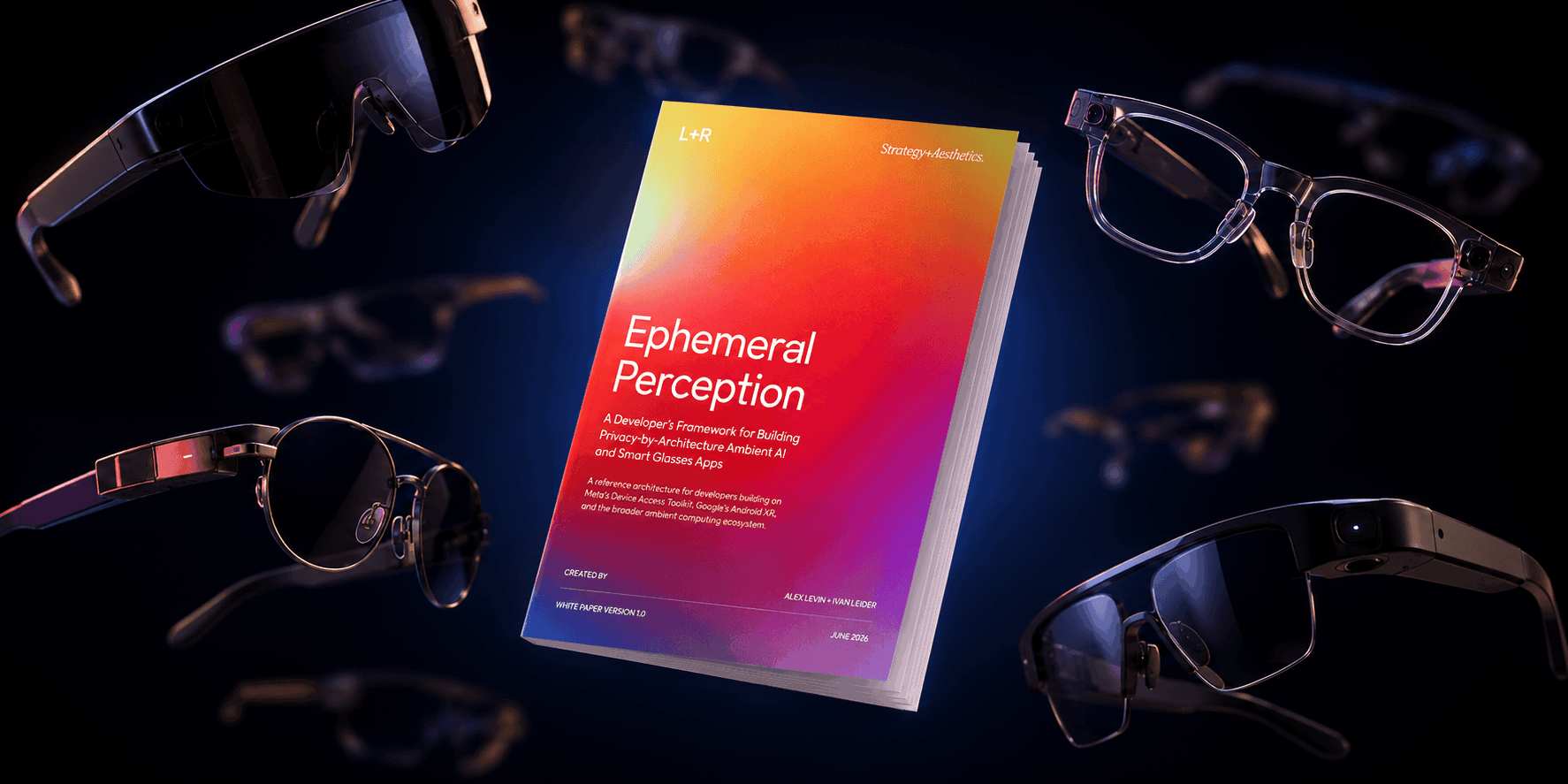
Meta AI Glasses shift the interface away from screens and toward context: camera input, voice, audio, motion, and lightweight responses while someone is already doing something else. The Device Access Toolkit gives native iOS and Android teams a way to imagine how phone-based product logic can extend into glasses. L+R's role was to help make that opportunity tangible through use cases, prototype patterns, and partner-facing examples.
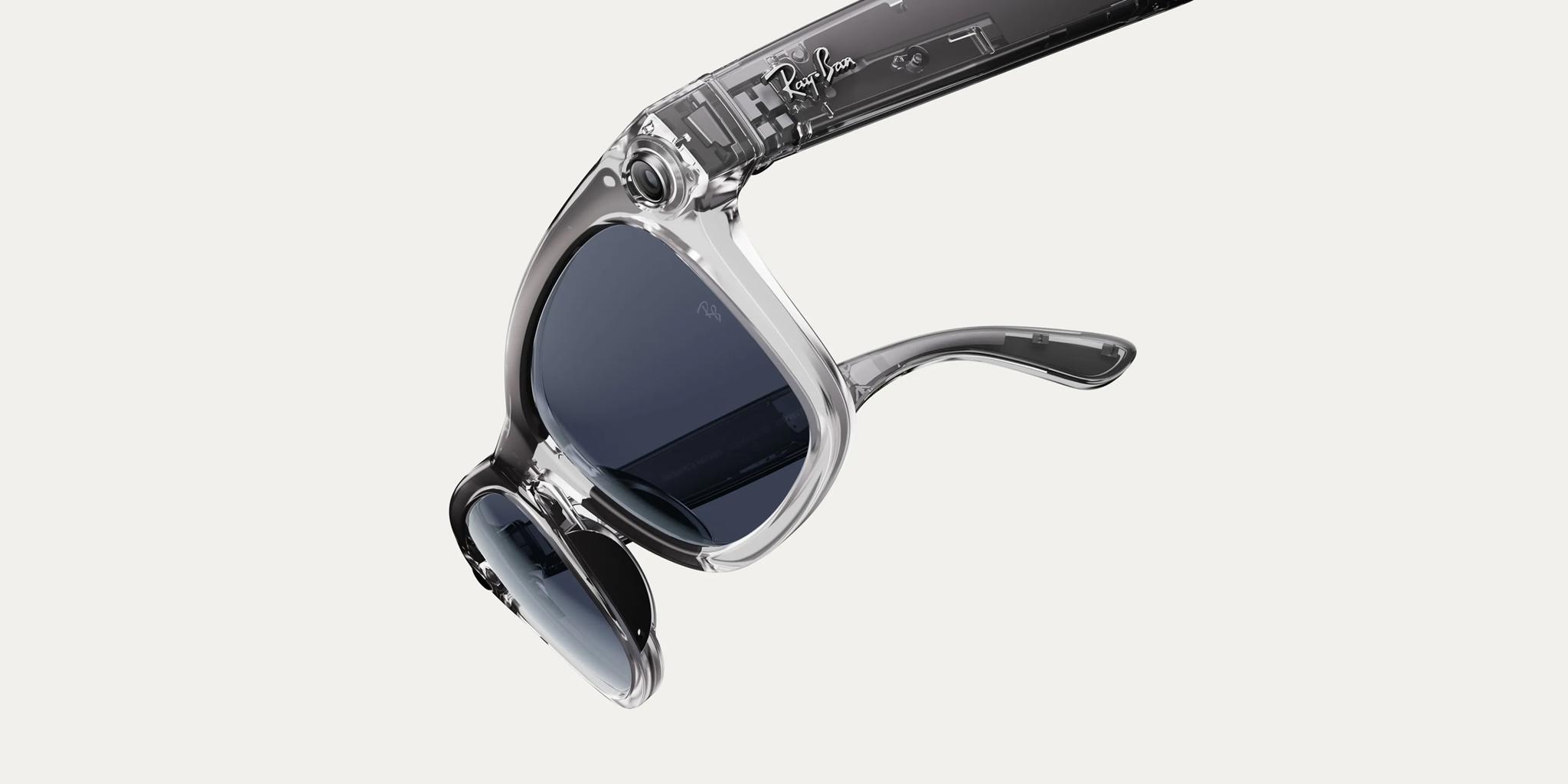



Native app patterns for hands-free AI glasses
The work focused on moments where glasses can help without pulling the user into a screen: seeing context, listening, responding through audio, and coordinating with native mobile apps. For the Meta Device Access Toolkit SDK, that meant thinking through iOS and Android application patterns, device access, camera and audio behaviors, privacy expectations, and how a partner ecosystem could understand the platform.
The goal was not to make novelty demos. It was to make smart-glasses use cases specific enough for launch conversations, technical exploration, and partner development.


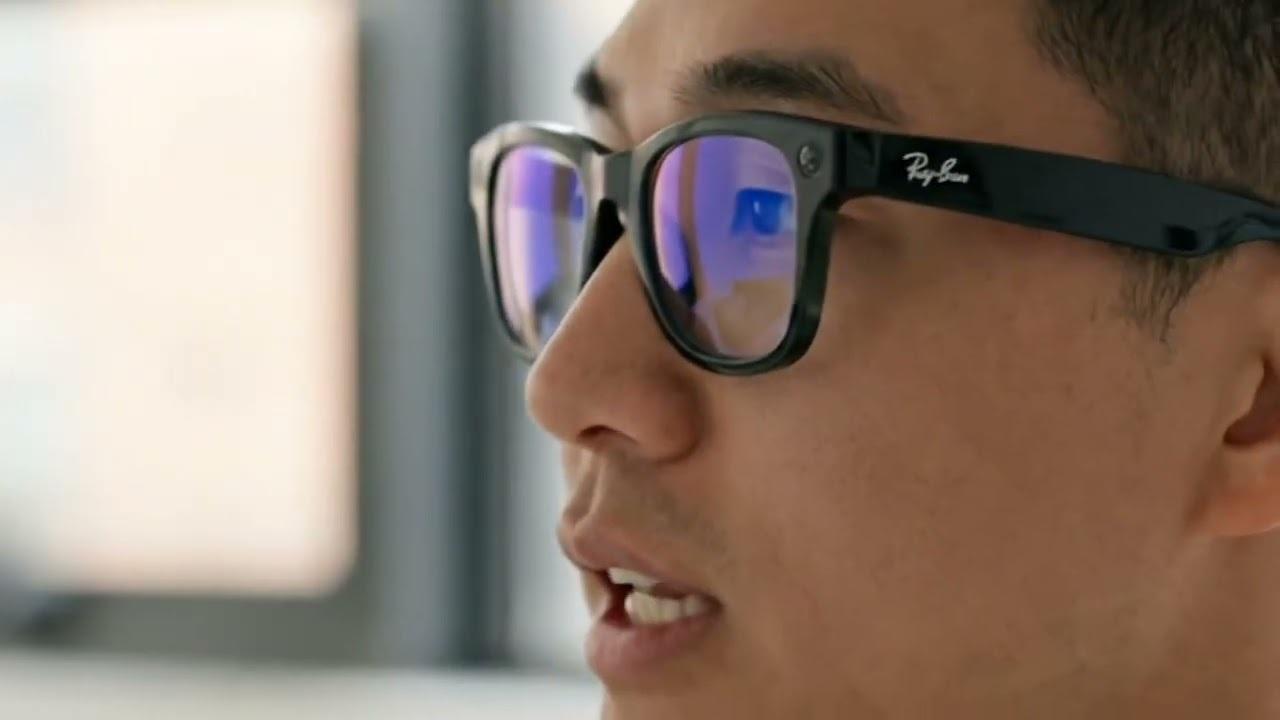


Shared examples, confidential practice
Much of L+R's platform and emerging-technology work is confidential. We are SOC 2 Type II compliant and treat client strategy, prototype access, data, and product roadmaps with the highest level of care. The work shown here is limited to examples, announcements, and imagery that have already been published by the client or by L+R with client approval.
Relevant public reading includes L+R, Disney, Logitech, and Microsoft announced as first partners for Meta's AI Glasses SDK, Alex Levin in PhocusWire on wearable AI and the future of travel technology, and L+R's Smart Glasses App Development service line.

Meta Device Access Toolkit SDK for Meta AI Glasses shows how L+R helps teams translate ambient AI hardware into useful product ideas, native app patterns, and partner-ready development stories while protecting confidential strategy and user trust.