Your Wearable Tech App Development Partner
We design and engineer wearable tech apps for smart glasses, AI glasses, smartwatches, and AR: everything moving the display off the phone.
L+R was an early partner on Meta’s Wearables Device Access Toolkit, the first toolkit built for AI glasses, and the work runs from net-new glasses apps to bringing your existing mobile product onto a wearable.
Have an existing app, a new idea, or just a question? Let’s talk.
Wearable App Development Services
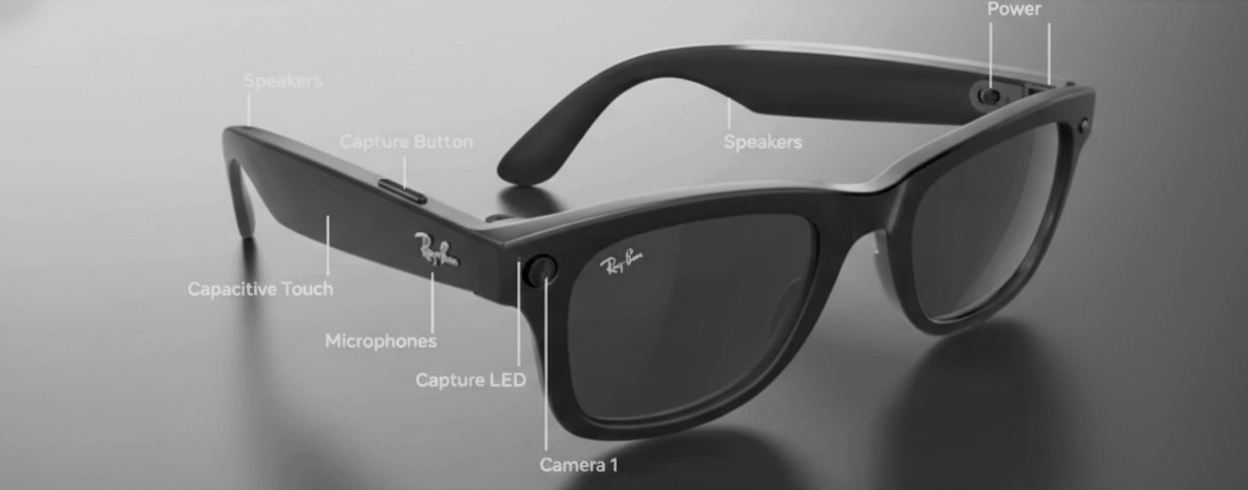
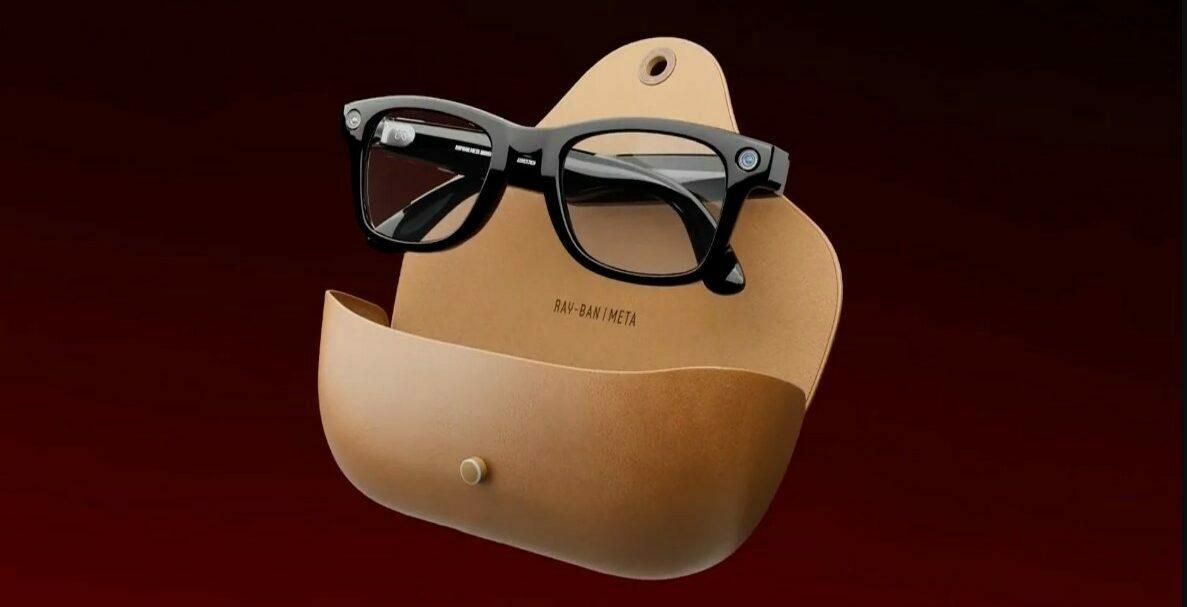
Smart glasses and AI glasses app development (including Ray-Ban Meta)
Extending an existing mobile app onto a wearable
Wearable experience design: glanceable, voice-first, hands-free
AR app development for wearable displays
Strategic consultation for wearable technology programs
Real-time content development for wearables
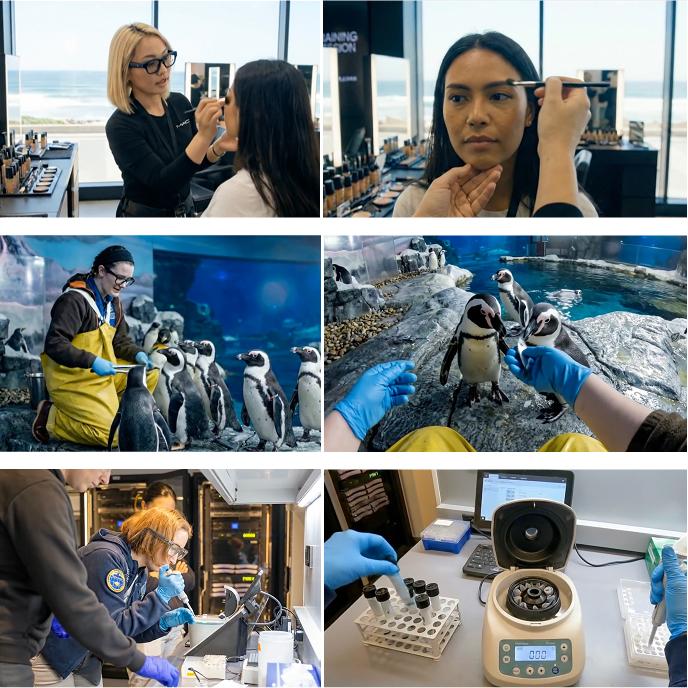
From Feasibility to Shipped
on glasses, headsets, and wrists.
What Makes a Wearable Different
A wearable works under different constraints than a phone. The screen is glanceable or gone, input is voice or gesture, the battery budget is measured in hours, and most of the compute happens on-device or not at all. Those constraints decide what an app can be.
Interaction design: deciding what deserves to interrupt someone, and what belongs on the paired phone.
Platform SDKs: building directly against wearable toolkits, including Meta’s Wearables Device Access Toolkit.
Companion apps: connecting the wearable to your existing mobile product on one roadmap.
Device testing: on the real hardware, because emulators don’t have a battery, a camera, or a low-light hallway.
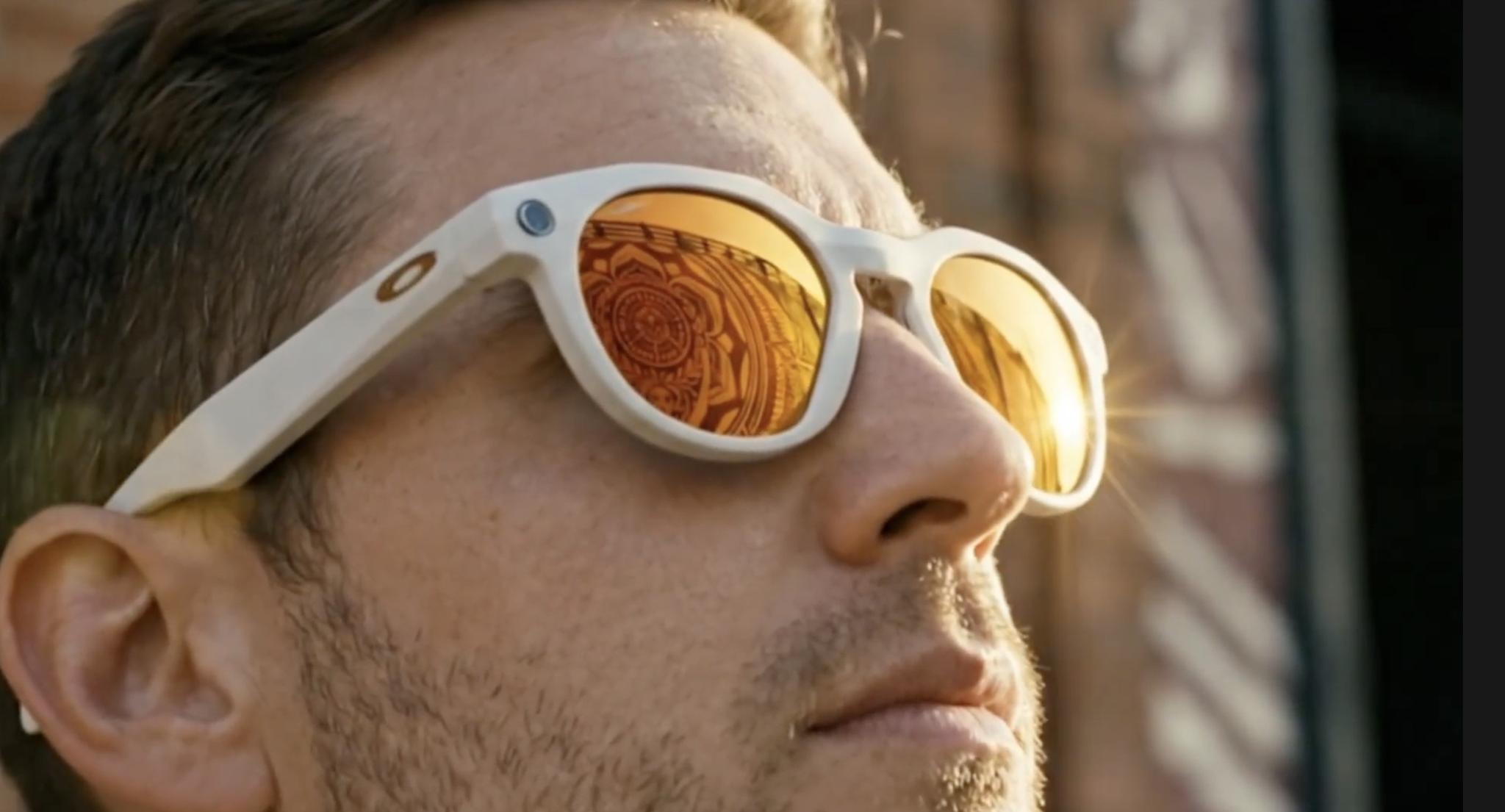
When I first experienced the Ray-Ban Meta glasses, it was a clear glimpse into the future of wearable technology. Its a significant advancement, and our team is eager to explore the new opportunities it presents for our clients.”
Director of Engineering • L+R
Selected Wearable Work




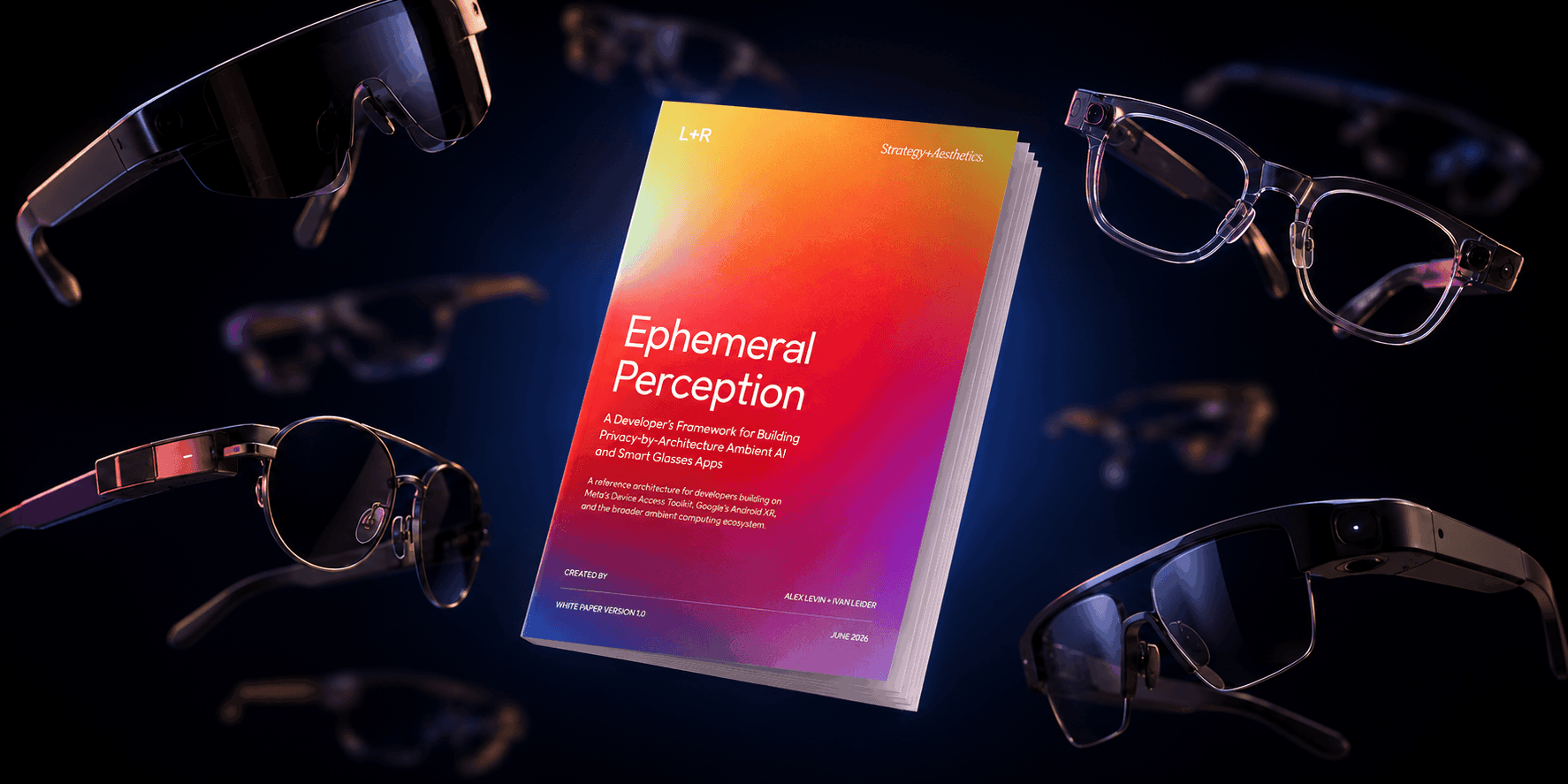
More On Wearable Technology From The Studio




Wearable Tech App Development Questions We Get Asked
Our wearable work, what an engagement covers, and companion apps.
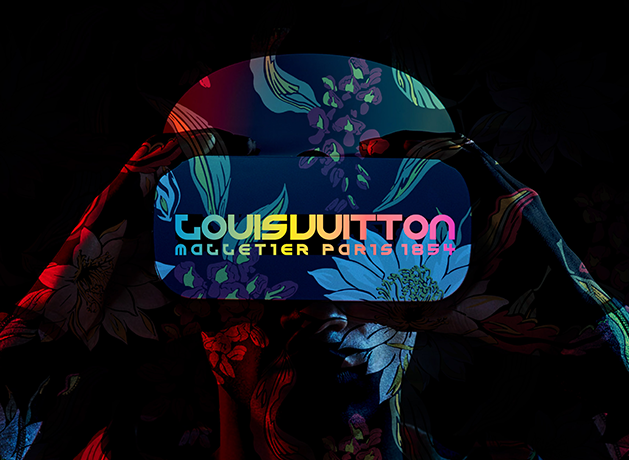
We’ve shipped across the category, from VR headsets to Ray-Ban Meta Display. When Meta named the first partners for its AI Glasses SDK, L+R was on the list with Disney, Logitech, and Microsoft.
Most of it. Our glasses apps are published as case studies, and Talking Point, which speaks printed text aloud on Meta’s AI glasses, is one of them. The Flutter plugin we build with, flutter_meta_wearables_dat, is open source.
That’s the work we do. L+R designs and engineers AI glasses apps end to end, from the first prototype to a product on the glasses. Bring us the idea and we’ll tell you where to start.
Feasibility and roadmap first, then interaction design for screenless moments, toolkit engineering, and companion-app architecture, with testing on the devices themselves from the first prototype.
Usually a companion is enough. Most wearables lean on a paired phone for accounts, sync, and heavier compute. Often the job is extending the mobile app you already have.