- Insight
Takeaways from Shoptalk Europe 2026: Agentic commerce moves from promise to operating model
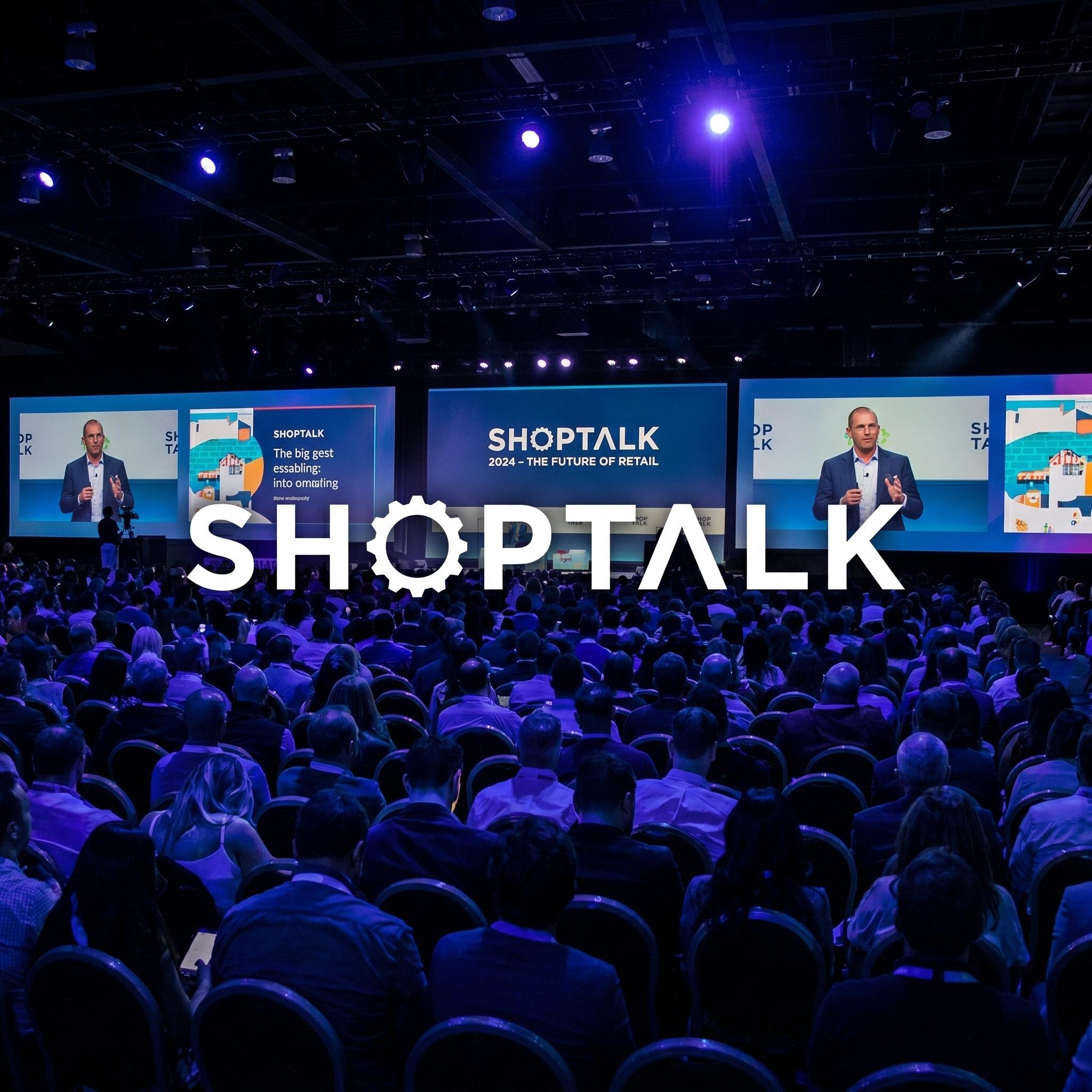
After three days at Shoptalk Europe 2026 in Barcelona, the clearest retail signal was not that AI is arriving. It is that commerce teams now have to redesign how discovery, data, trust, and operations work around it.

Discovery is becoming conversational
The first major takeaway is that the purchase funnel is being rewired at the discovery layer. Social and creator-led commerce have already changed where product awareness begins. Generative AI is now changing how that awareness becomes consideration.
Several speakers pointed to the same pattern: AI-driven search traffic remains small, but it is showing higher commercial intent. Douglas Group reported that AI search remains under 1% of traffic, while conversion rates increased from 4% to 5% and commercial impact grew by 234% over the last 12 months. SEO remains foundational because it gives brands scale, while AI search is becoming the layer that shapes influence.
Agentic commerce starts with data quality
The second takeaway is more operational: agentic commerce will only be as useful as the data it can reason over. For retailers and brands, the product catalog is becoming strategic infrastructure: attributes, availability, sizing, imagery, pricing, delivery logic, reviews, and contextual content all need to be ready for systems that summarize, recommend, compare, and eventually transact.
L'Oreal's agentic commerce discussion emphasized the importance of understanding shopping intent, enriching product content, and keeping that content current. Zalando offered a practical proof point: its AI-powered size recommendations reduced returns by 8% last year, representing a few million fewer returns and a direct operational benefit from better fit intelligence.
Trust is the real interface
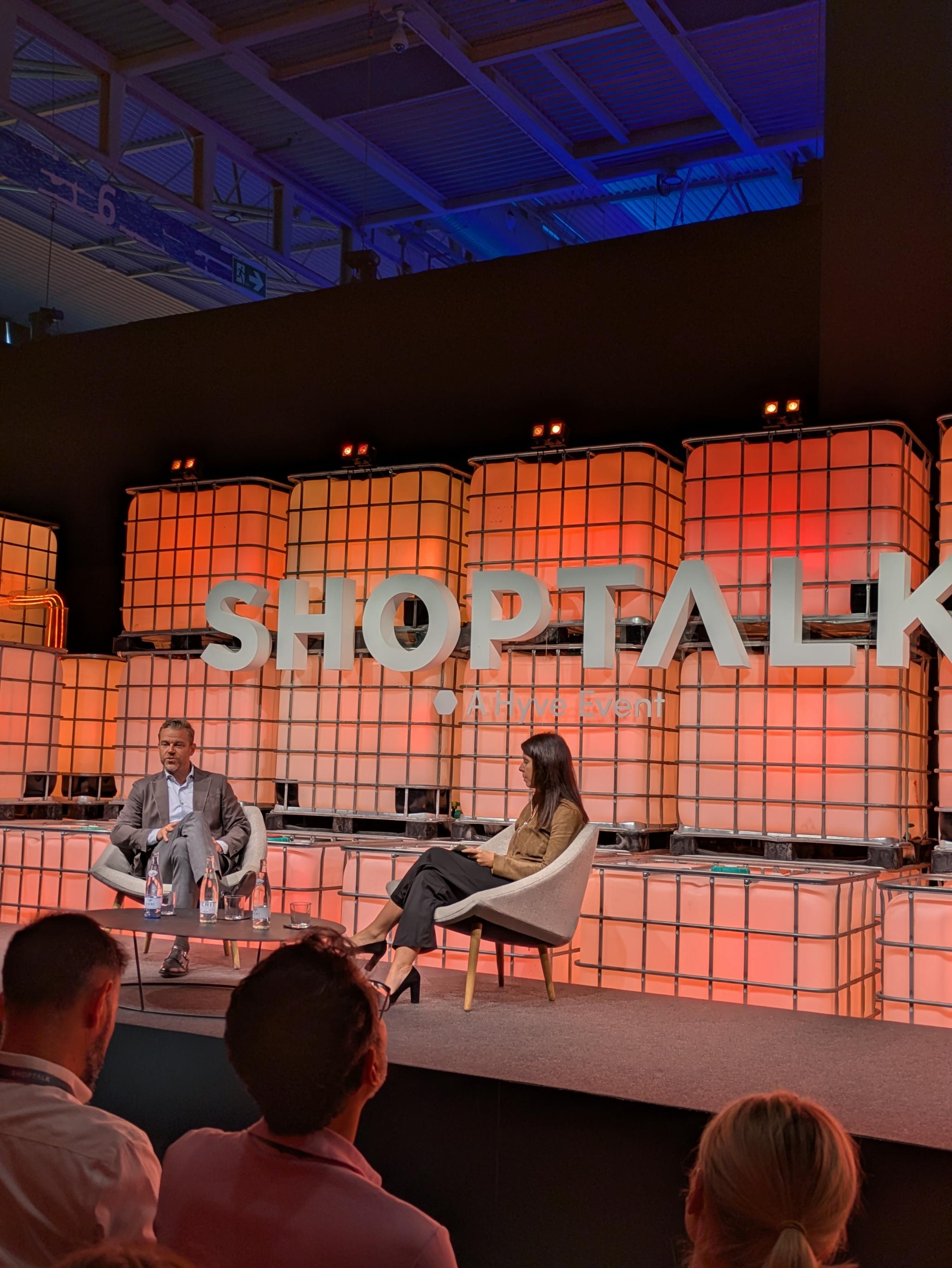
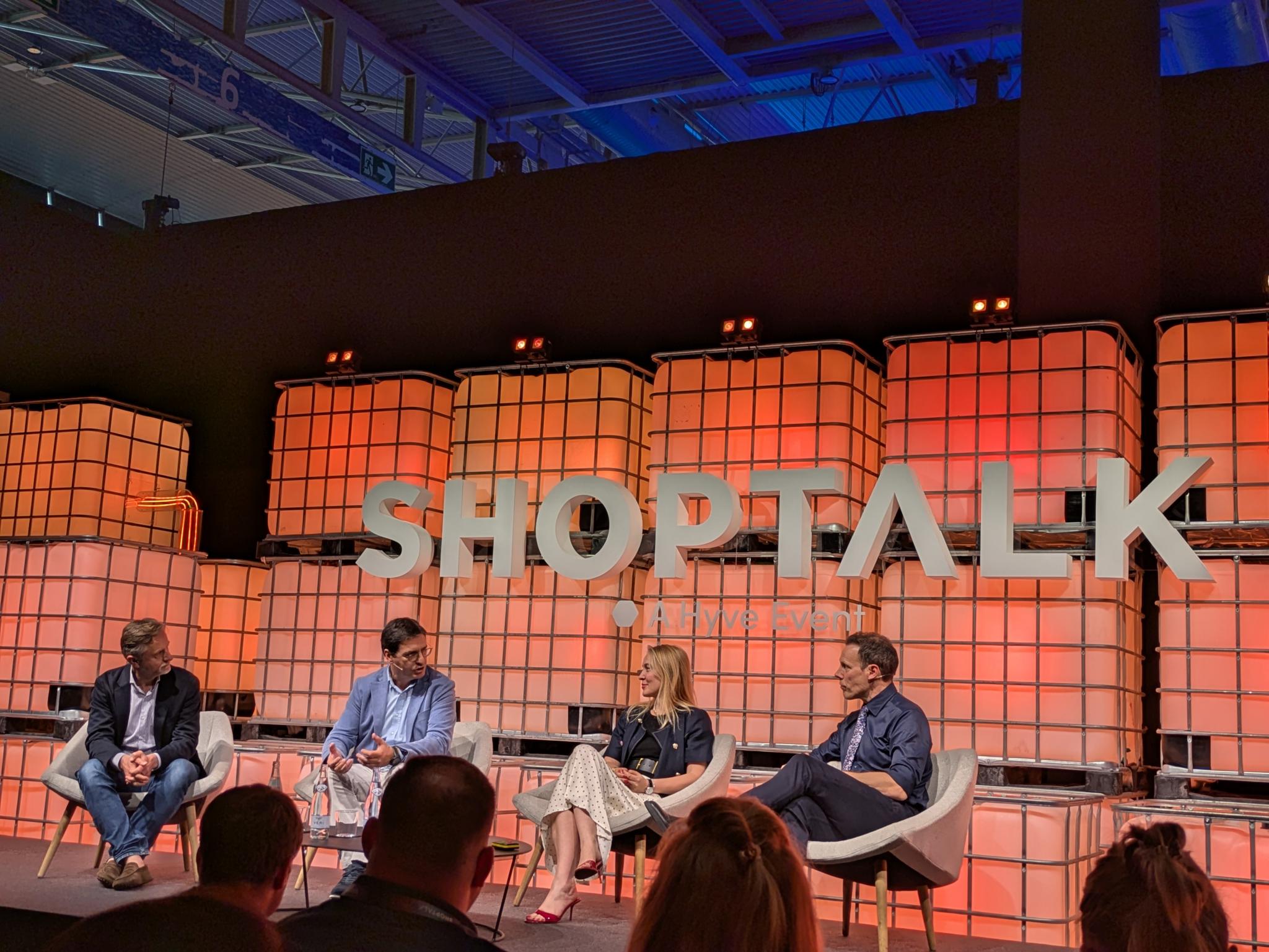
The third takeaway is that trust will decide who owns the relationship. As Julia Bösch of Lookiero and Outfittery framed it, retailers and brands currently have a trust advantage, but it will not last. The choice is whether they become the agent customers rely on, or the backend that supplies products to another interface.
That distinction matters because agentic commerce moves influence upstream. If shoppers ask an assistant what to buy, where to buy it, whether it fits, and which brand can be trusted, the retailer's role begins before the storefront. Conversational ecommerce can make the experience more personal and tailored, but delegation still requires confidence; the near-term opportunity is guided confidence, helping people decide better, faster, and with more context.
AI transformation has to redesign the work
The fourth takeaway is internal. Retailers cannot treat AI adoption as a tool rollout and expect durable change. The more mature examples at Shoptalk connected AI to workflow design, data governance, and proof of business value.
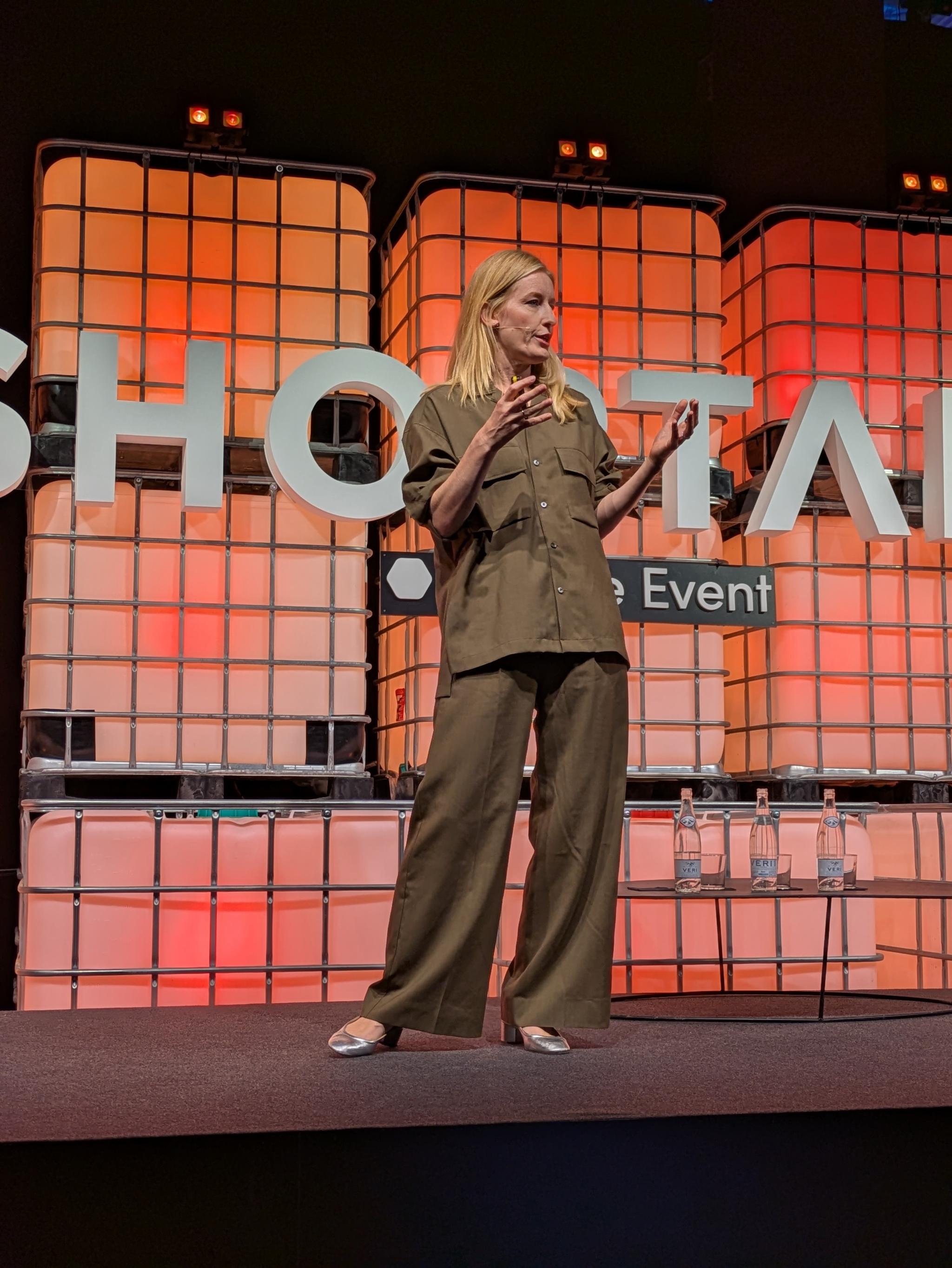
Holden Bale of Merkle framed the challenge clearly: prioritize the best data, target clear use cases with defined outcomes, redesign the work rather than only the technology, engineer trust and visibility to drive adoption, and build insights at every altitude. AI adoption becomes meaningful when it changes how teams make decisions, how quickly they can act, and how confidently leadership can measure progress. Nestle's virtual sales assistant reportedly reduced administrative time by 30-40%, giving customer service teams more capacity to serve customers.
The future is more specific, not less
The fifth takeaway is that global intelligence does not remove the need for local relevance. Nadine Graf of Estée Lauder captured it succinctly: desirability is global, relevance is local, and relevance drives conversion.
AI becomes valuable when it meets specific customer behavior, not when it flattens every market into the same journey.
What this means for agentic commerce
The future of agentic commerce will not arrive as a clean handoff from websites to autonomous agents. It will arrive unevenly, through higher-intent search, better product data, conversational interfaces, assisted checkout, more precise recommendations, and internal teams using AI to move faster.
For retailers, the mandate is practical: prepare the data, define the use cases, keep humans in the loop where trust is still forming, and measure influence, not only traffic. What we will be watching next is who earns the right to be trusted at the point of recommendation, because in agentic commerce, visibility will matter, but credibility will matter more.