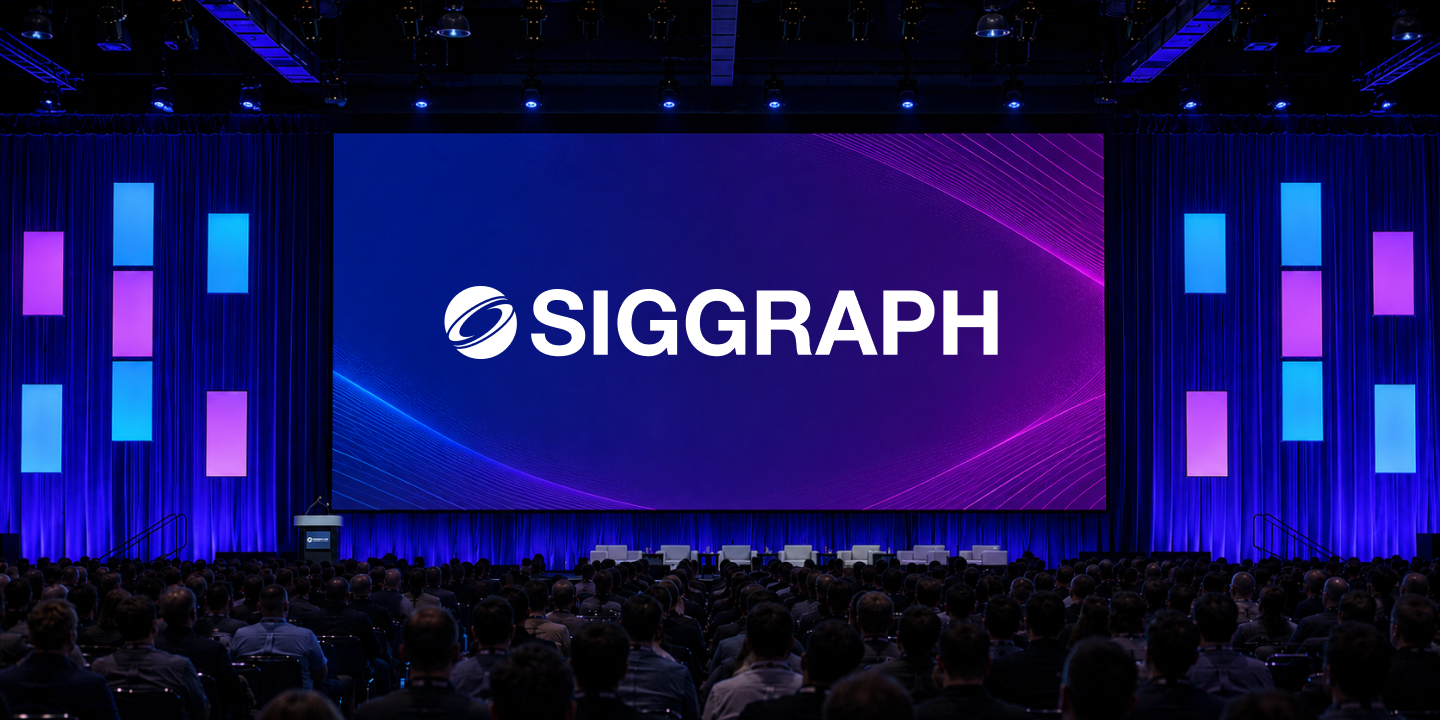
That is especially true in the SIGGRAPH 2026 Experience Hall. This year’s hall brings together Spatial Storytelling, the Immersive Pavilion, the Art Gallery, Emerging Technologies, and Hands-On Courses. In other words: it is less like a traditional expo floor and more like a working preview of the tools, interfaces, and behaviors that may soon shape products, services, and brand experiences.
For me, that matters because L+R’s work sits between strategy, design, and engineering. We help clients understand what emerging technology can actually do for their business, then shape it into useful experiences. Three projects from this year’s program point toward where that work is headed.
AI Becomes a Relationship Layer
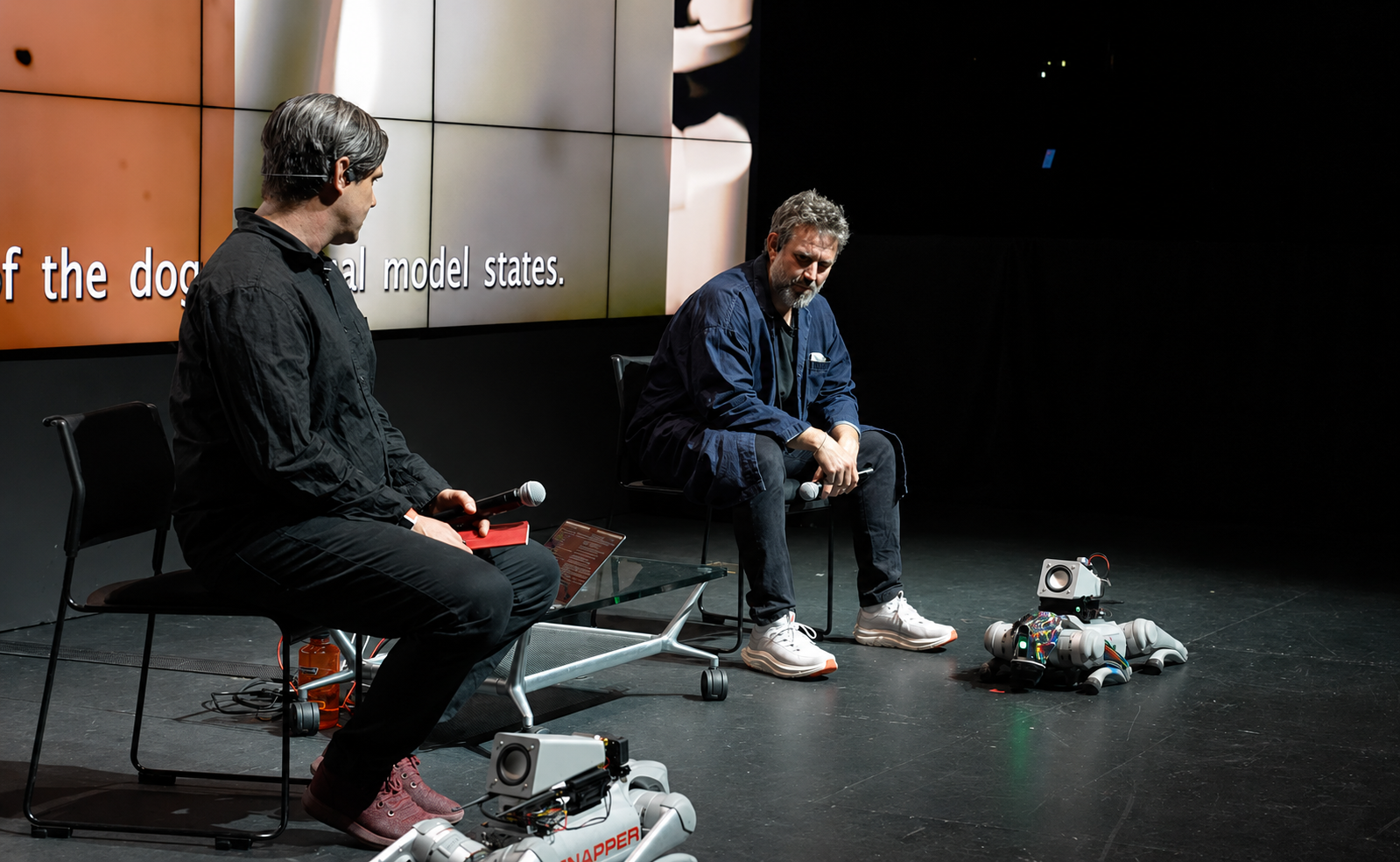
“Dog Walk: Narrating Human-AI Alignment through Companion Robots” explores human-AI intimacy through two robot dogs whose onboard language models evolve through everyday life. The project is framed as performance and research, but the implication for product design is direct.
A product is no longer limited to screens, flows, and transactions. As voice models improve, memory becomes more useful, and agents become more capable, businesses will have to design for relationships. What does a product become when you can speak to it, when it remembers you, when it can act on your behalf, and when interacting with it starts to feel less like using software and more like knowing a presence?
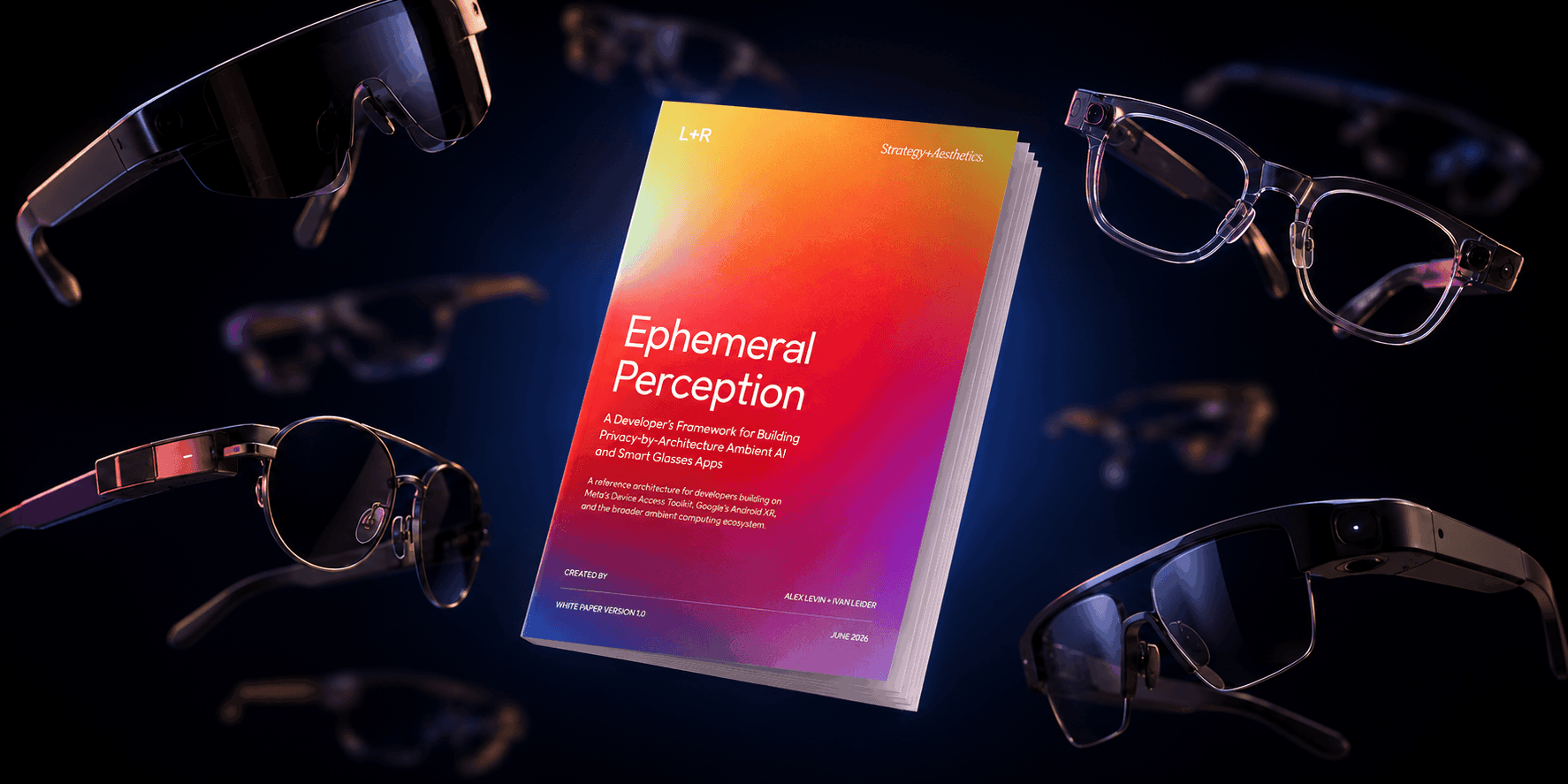
The way I read it, this is not just an AI feature question. It is a brand, UX, trust, and service design question. L+R’s work in AI Strategy and our thinking around privacy-by-architecture for smart glasses point to the same challenge: useful intelligence has to be designed with boundaries, memory, consent, and emotional clarity from the start.
Spatial Products Need Spatial Prototypes
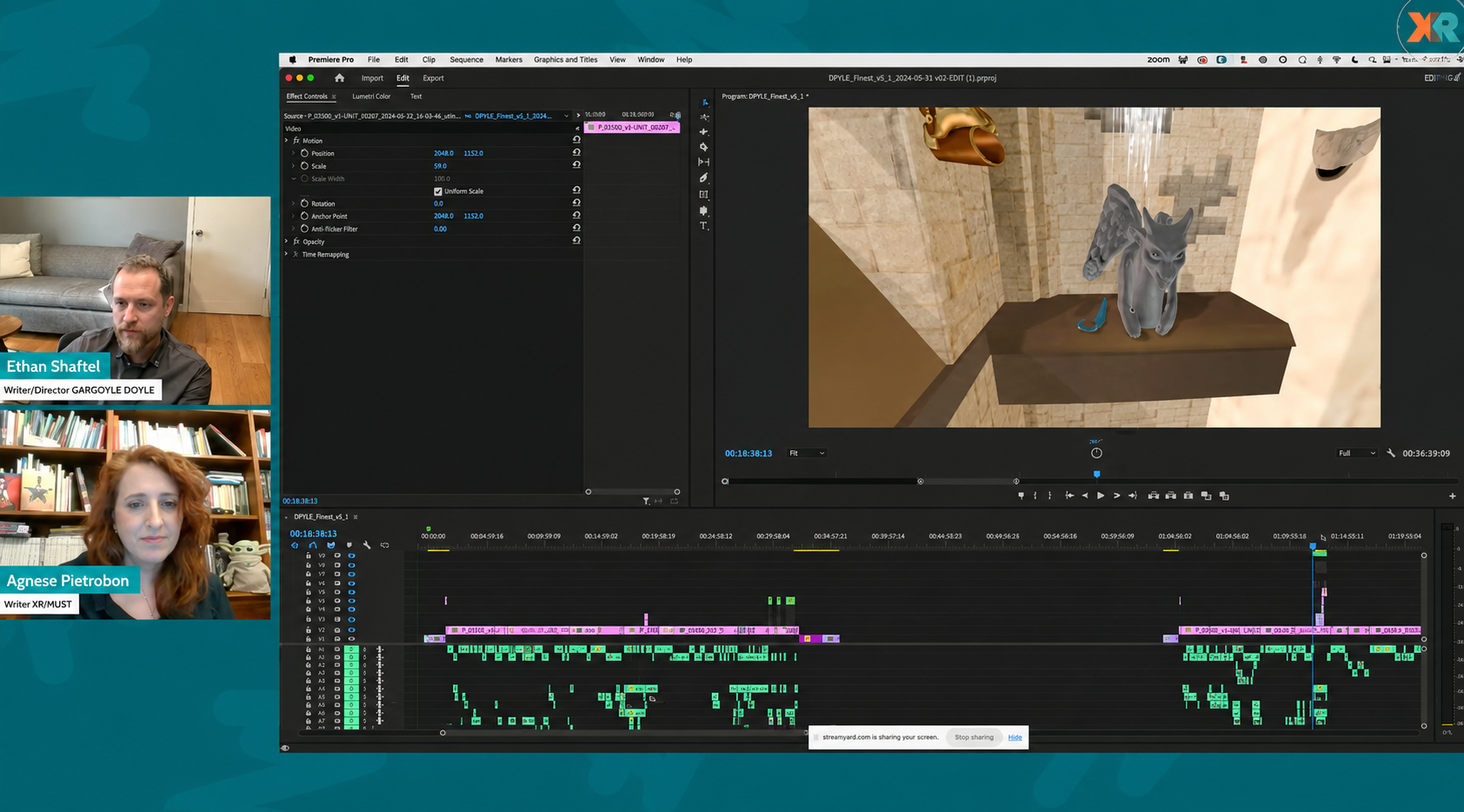
“Cheap and Cheerful: Low-Fidelity Prototyping for Spatial Stories” focuses on Ethan Shaftel’s process for immersive storytelling, including low-fidelity, no-code, and provisional methods that helped guide design decisions before full production.
That is an important signal. The future of VR and spatial computing will be shaped by the tools used to create it. Spatial apps are not designed well in static rectangles. They need to be walked through, tested, staged, broken, and rebuilt inside space.
At L+R, I see tools like ShapesXR as part of that shift because they let teams prototype product ideas that would be almost impossible to understand in Figma alone. As headsets become more common, and as more product designers gain experience working in VR, the prototyping stack will become a strategic advantage. For clients looking to move early in spatial computing, the question is not only “what can we build?” It is “how quickly can we learn what should be built?” Our Spatial Computing Development work and Media View project with Meta Quest are examples of that shift in practice.
Small Studios Gain Production-Scale Media Tools
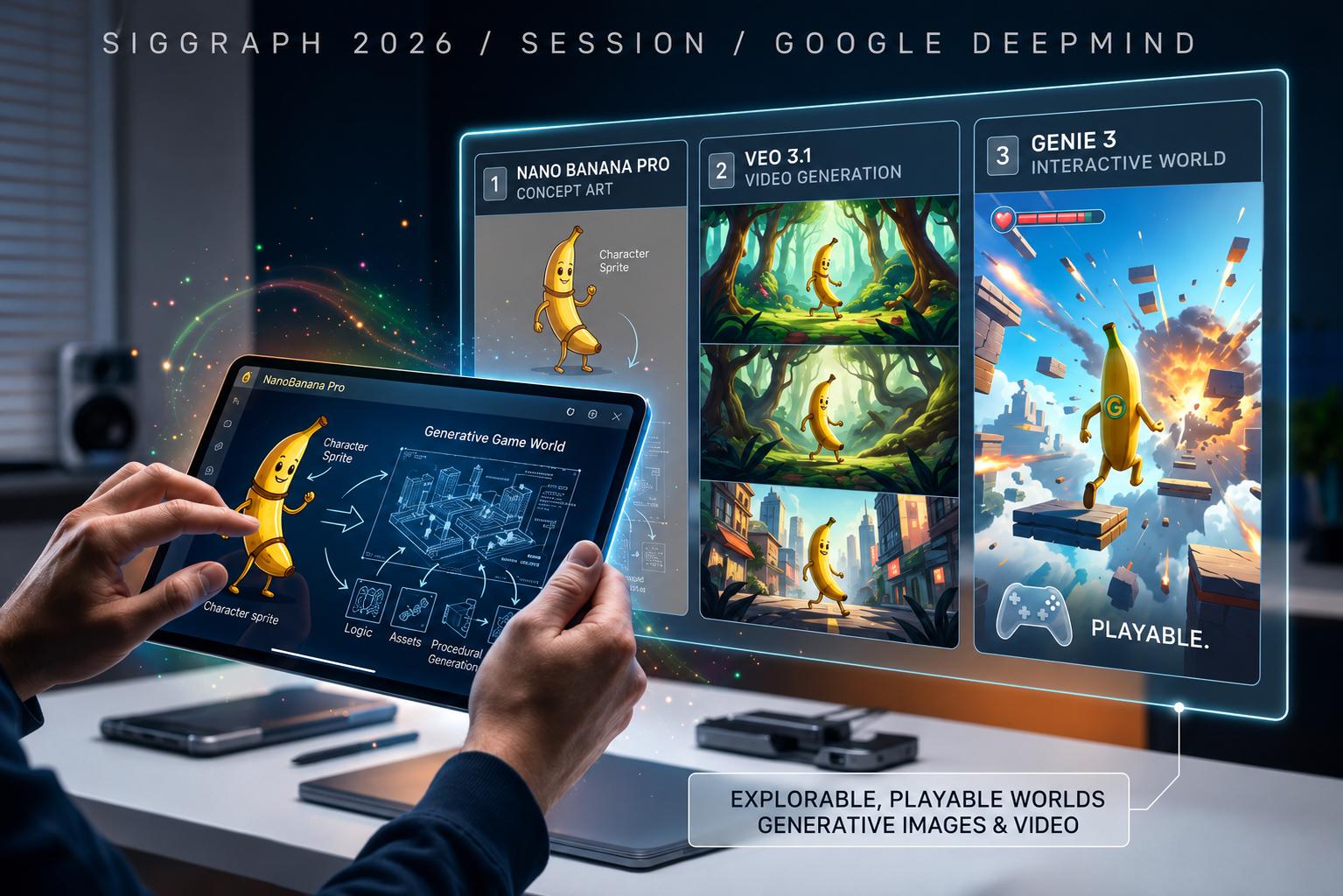
“Dreaming in 4 Dimensions: Generating Media with Gemini, Genie, and Veo,” led by Paige Bailey and Google DeepMind, shows how AI media tools are moving beyond static image generation into concept art, video, and playable worlds.
For graphic design studios, this changes the creative operating model. A decade ago, producing illustration, photography, animation, or video at a high level often required specialized contractors, significant budget, detailed art direction, and long timelines. AI tools are giving smaller teams access to high-quality media exploration at lower cost and with far less downside.
To me, that does not replace taste or craft. It expands the range of ideas a studio can test before committing, especially across Brand Identity Design. Tools like NanoBanana Pro, Genie 3, and Veo 3.1 suggest a future where agencies like L+R can create richer brand and product experiences faster, with more room for experimentation. You can already see that direction in work like ONYX, where scalable identity systems meet agentic design deliverables.
The simple takeaway from SIGGRAPH 2026 is that emerging technology is becoming less abstract. AI companions, spatial prototyping, and generative media are not distant research concepts. They are becoming design materials. For me, and for L+R’s clients, the opportunity is to use them with purpose: to make products more intuitive, brands more expressive, and new interfaces feel genuinely useful.