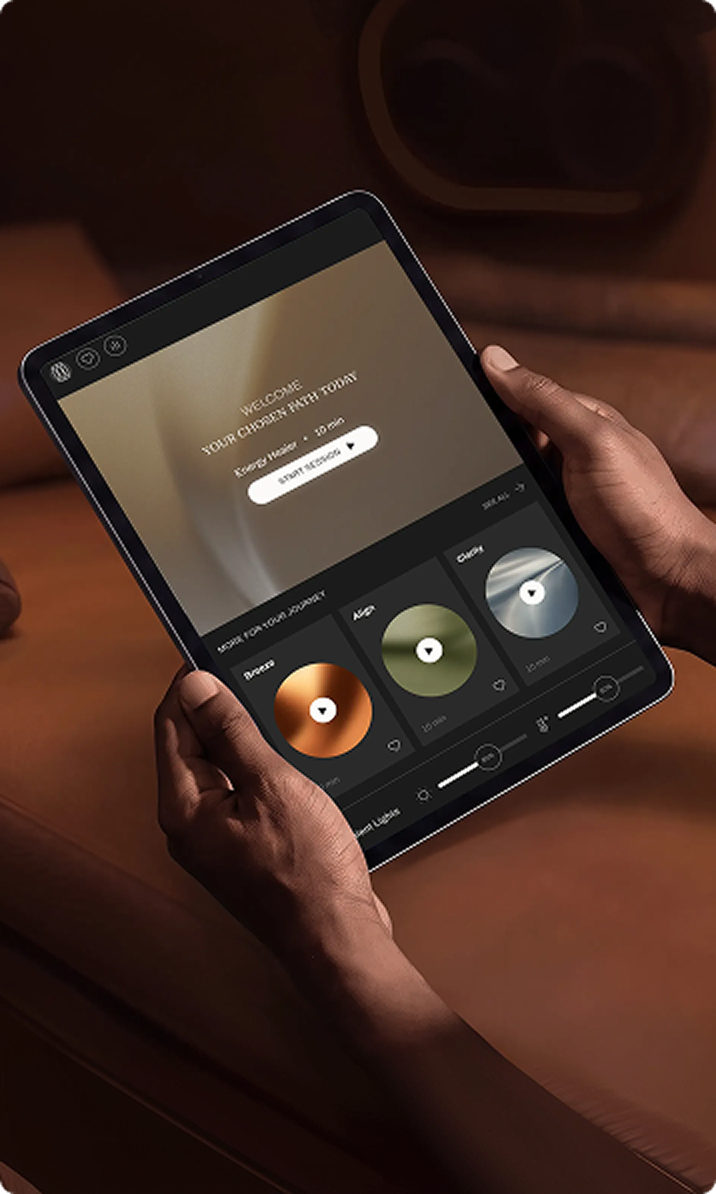
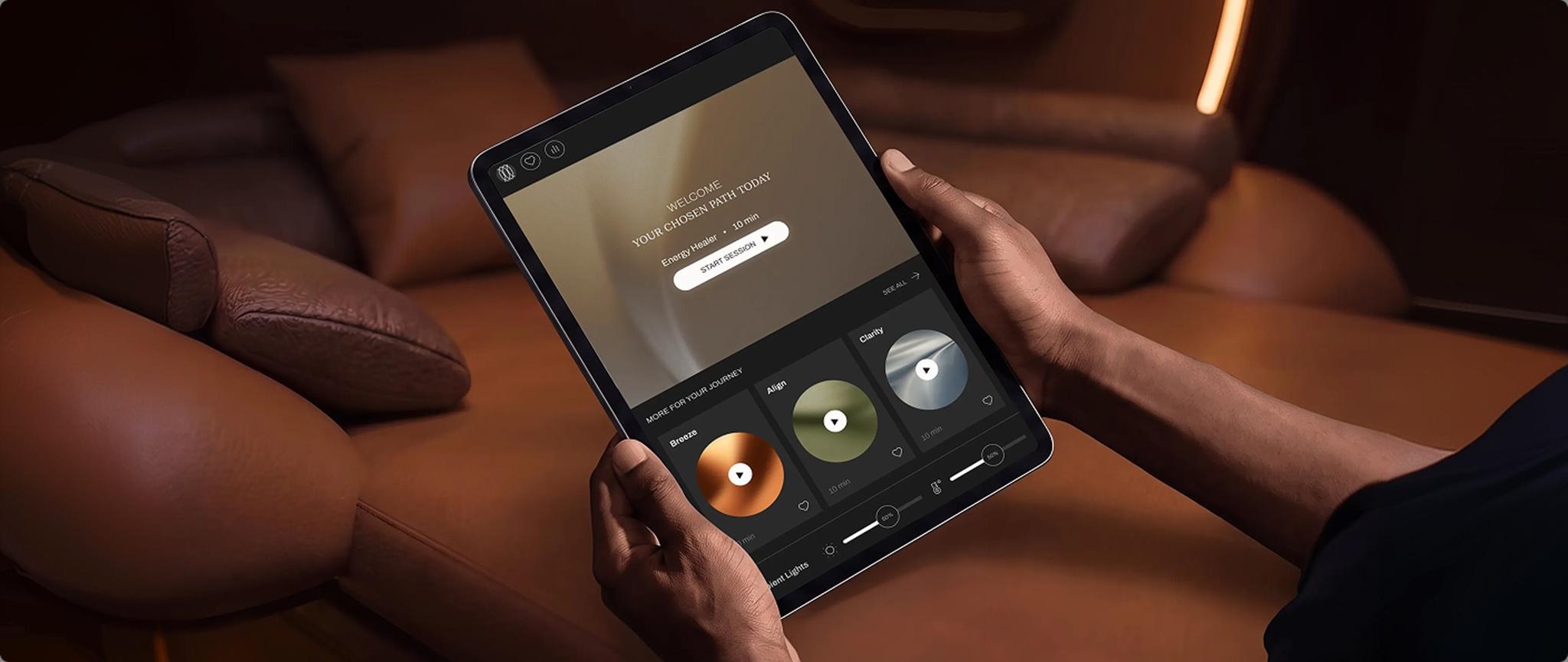
A wellness device needed a calm, connected interface
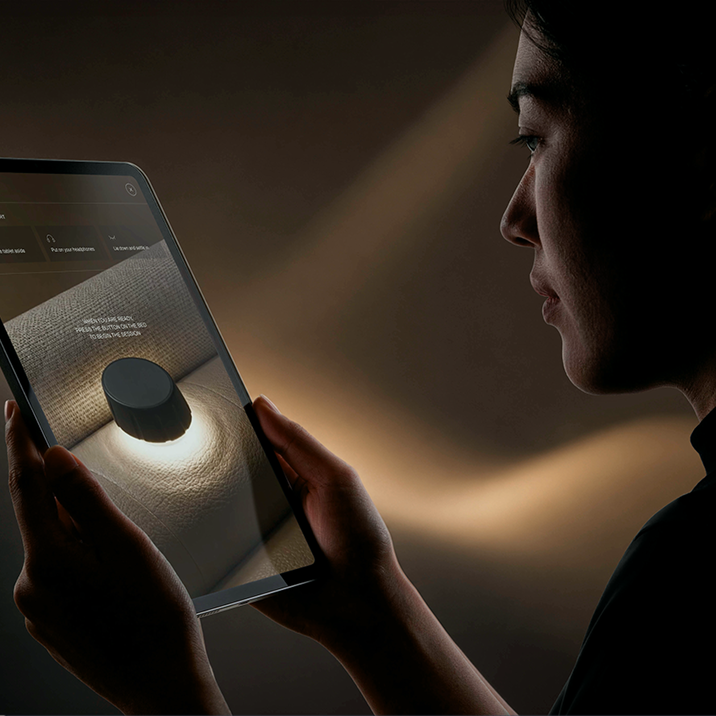
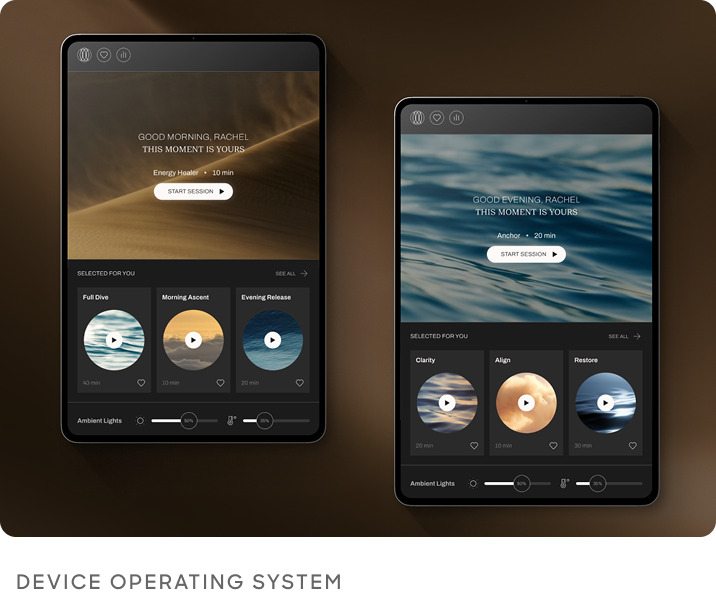
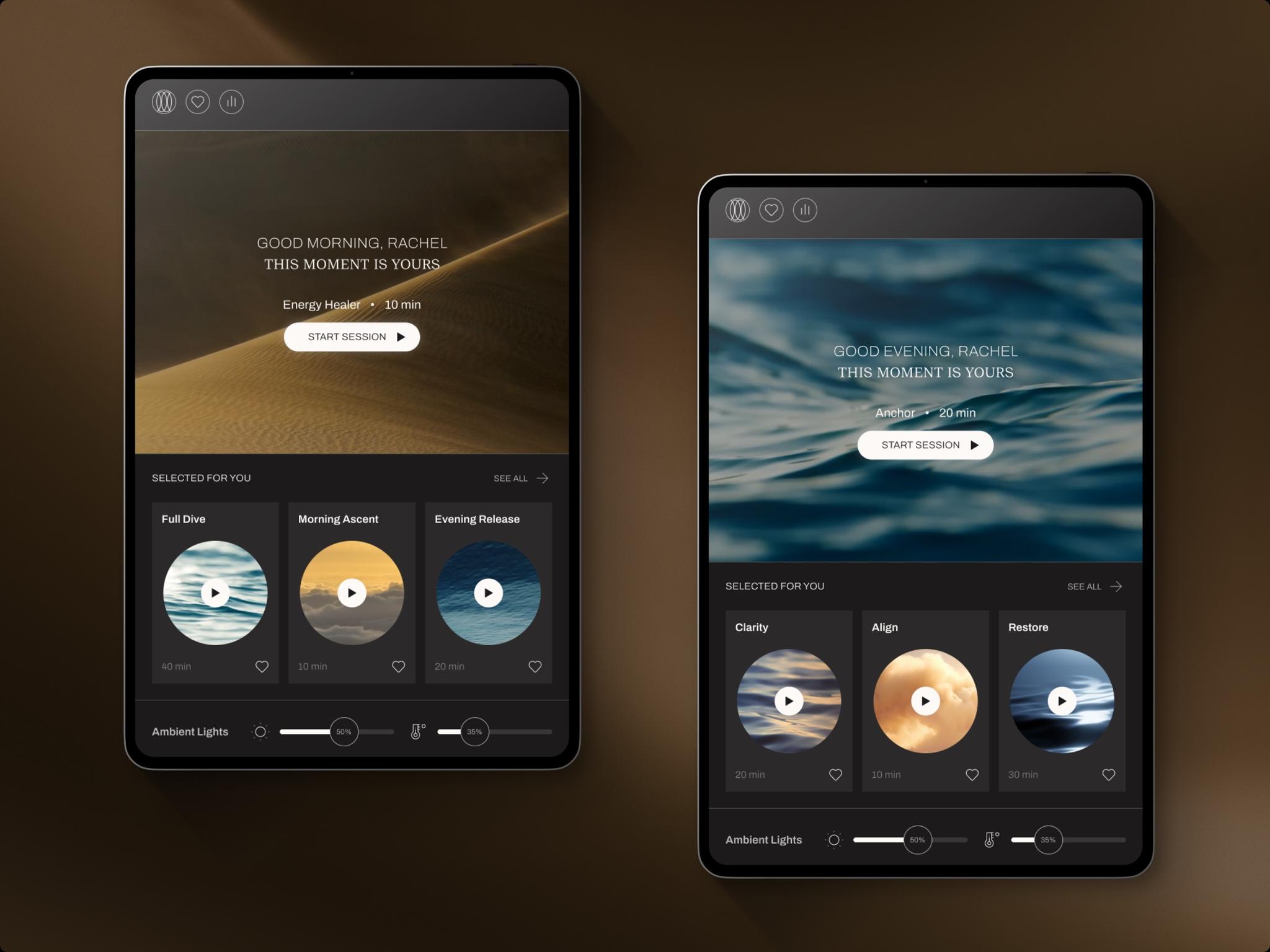
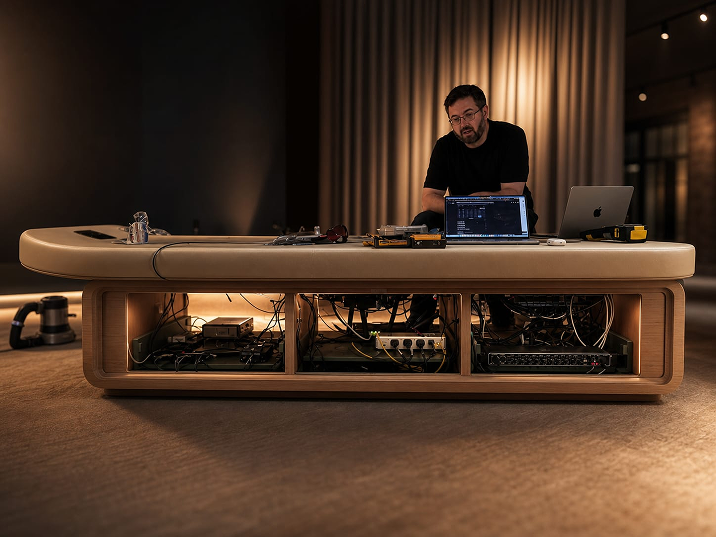
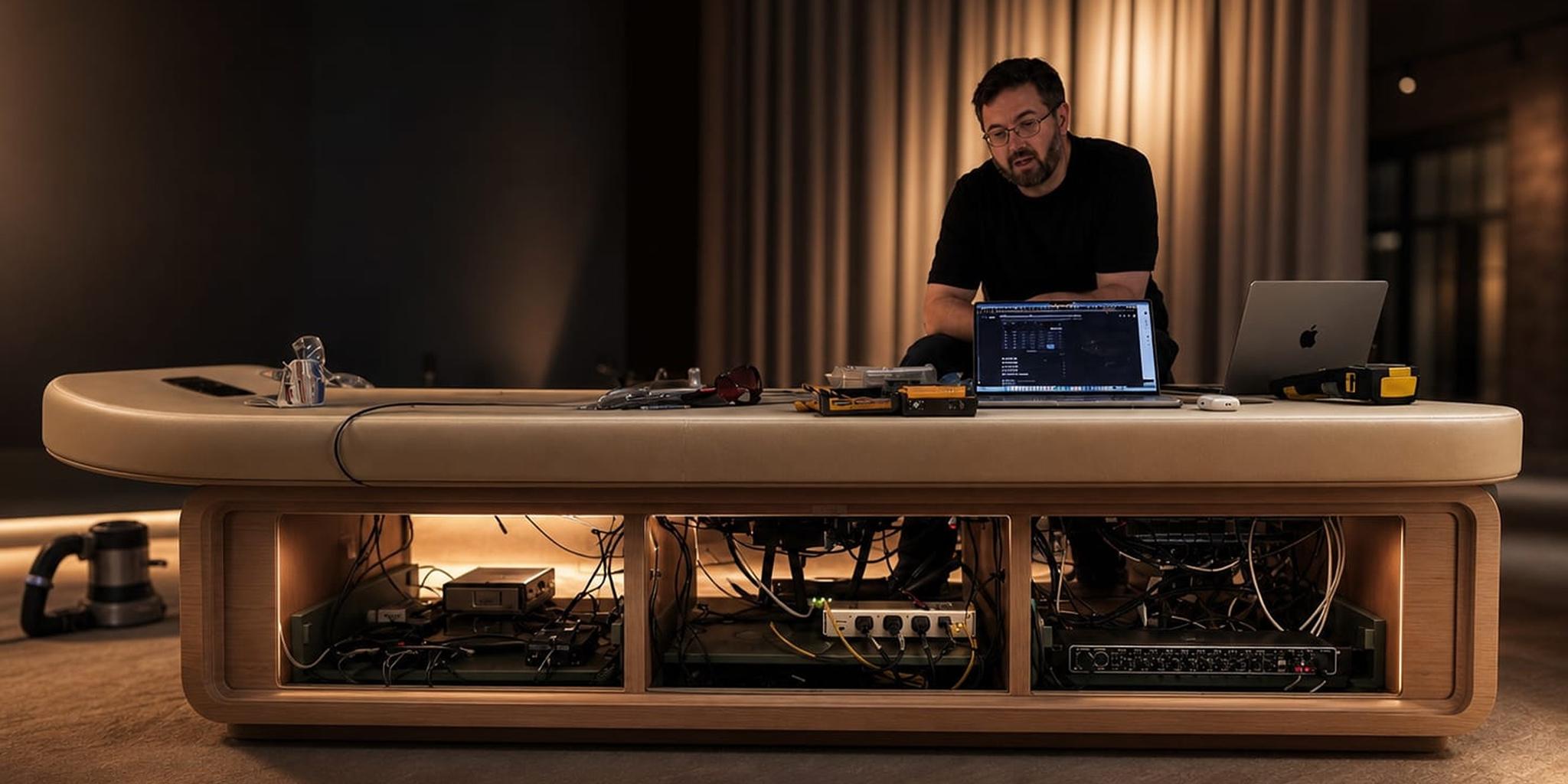
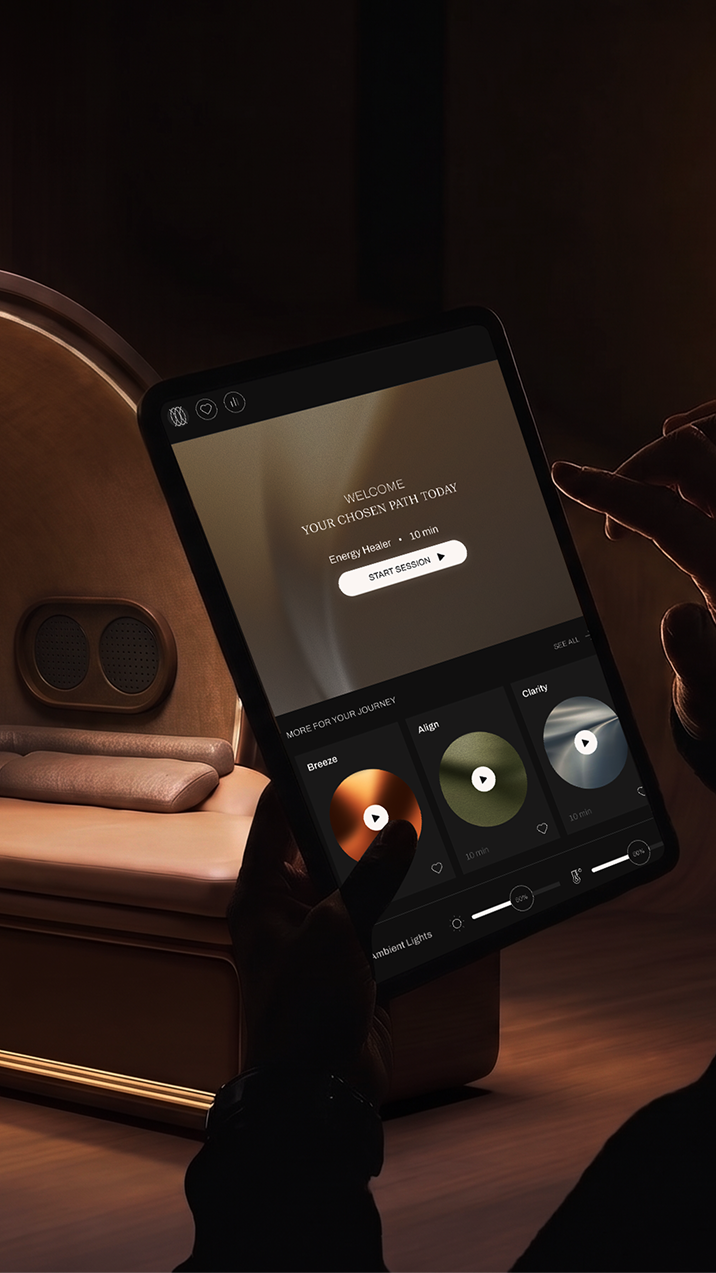
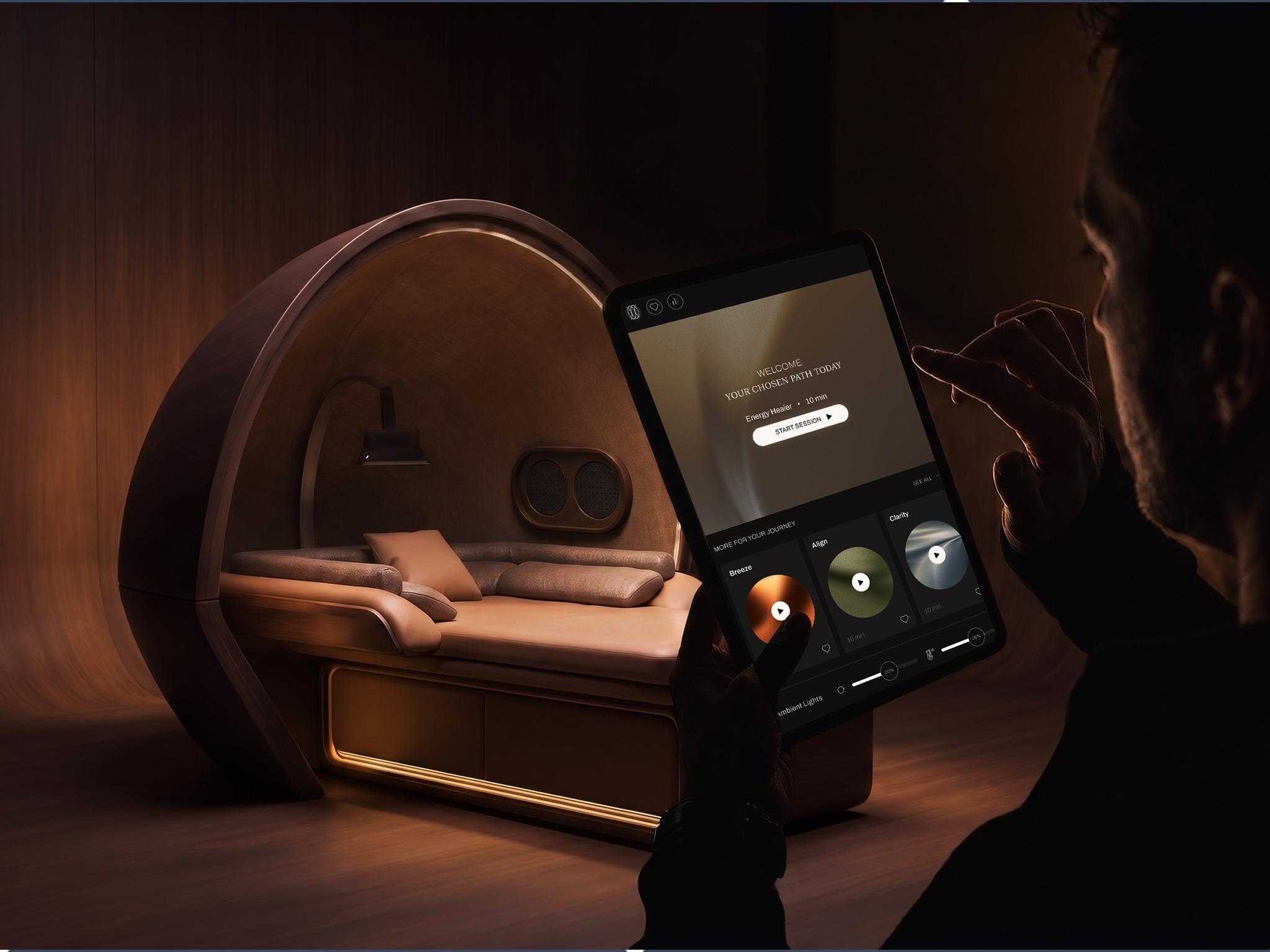
The SATYA S:9 combines light, sound, and vibration inside a premium wellness device. The interface layer had to make that complexity feel calm: session selection, intensity, timing, device state, facilitator controls, and companion touchpoints all needed to work as one product experience.


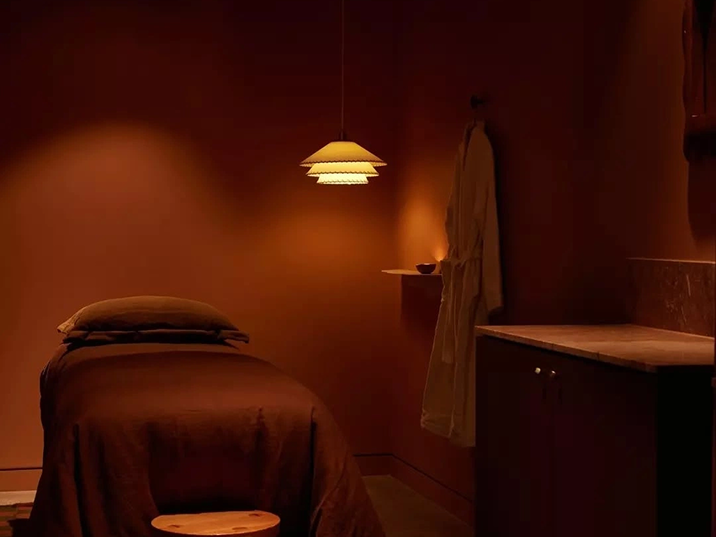
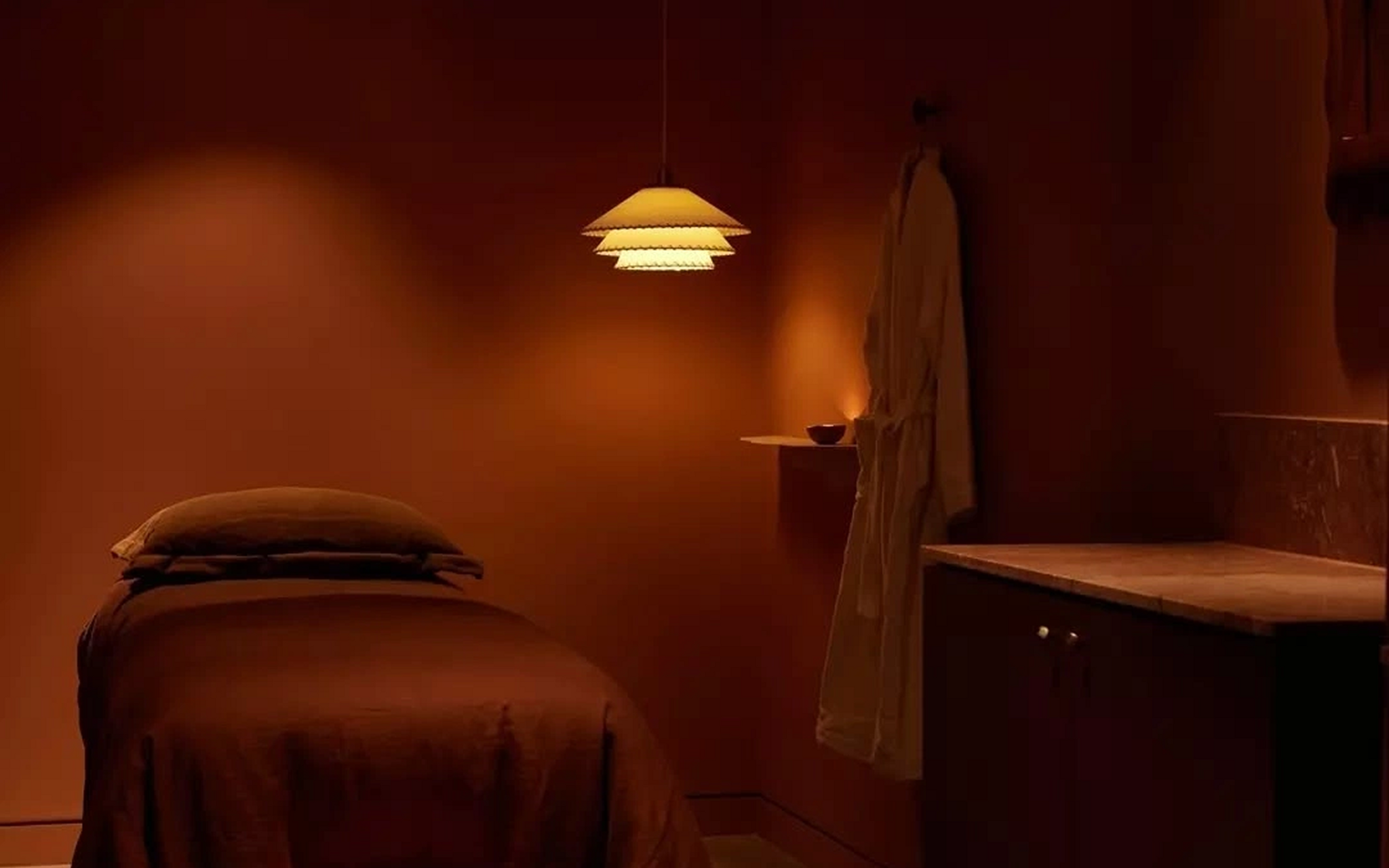
Design one UX model across device, app, and facilitator workflows
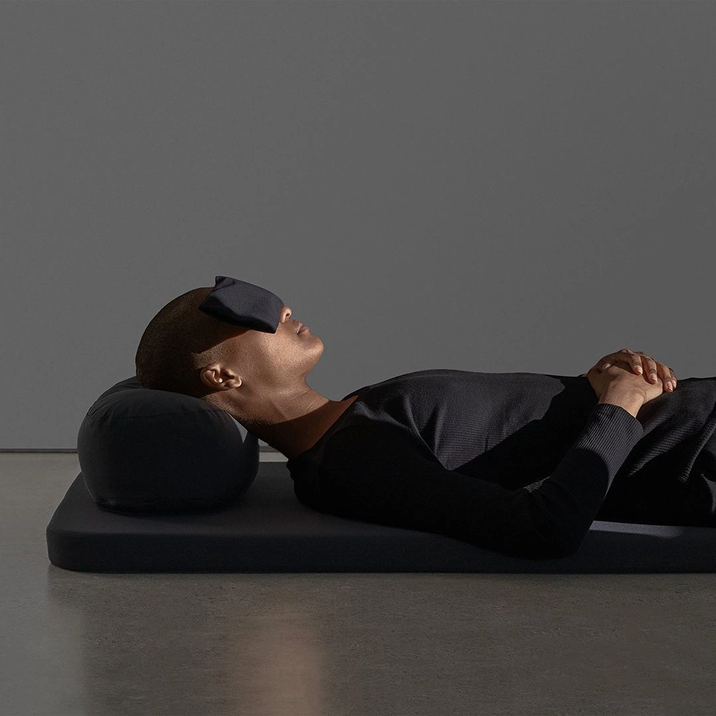
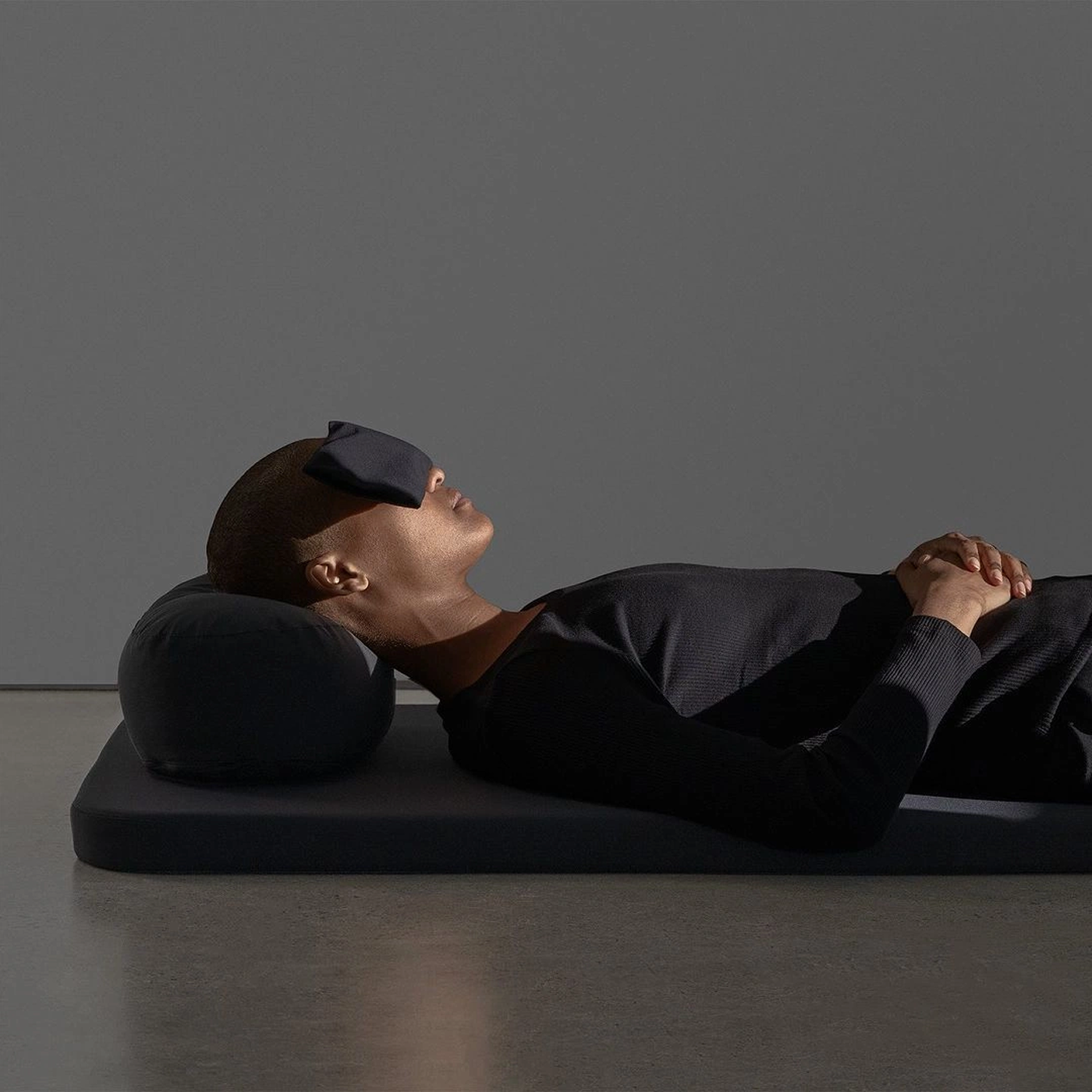
The design challenge was not a single screen. SATYA needed a device console that could be used in a low-light treatment environment, an app model that could support clients beyond the session, and facilitator controls that gave operators confidence without turning the experience into a technical dashboard.
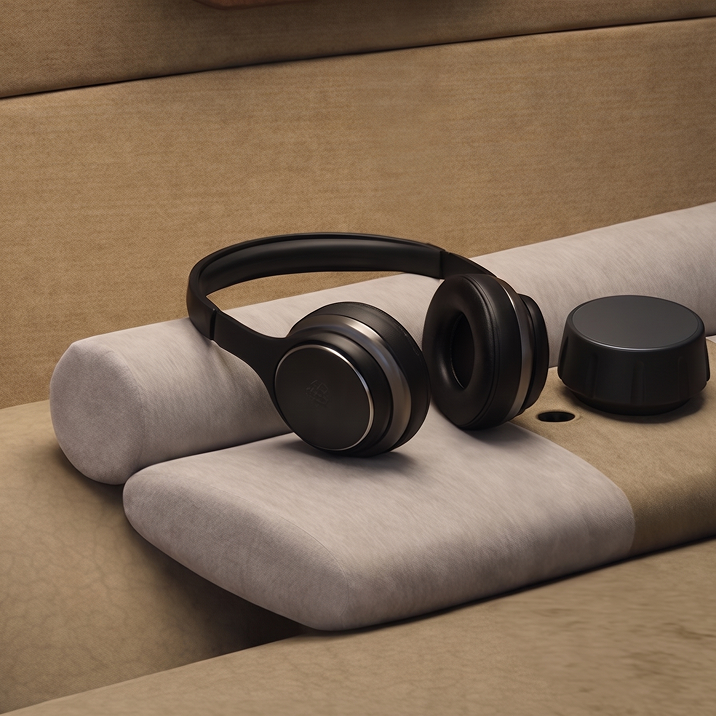
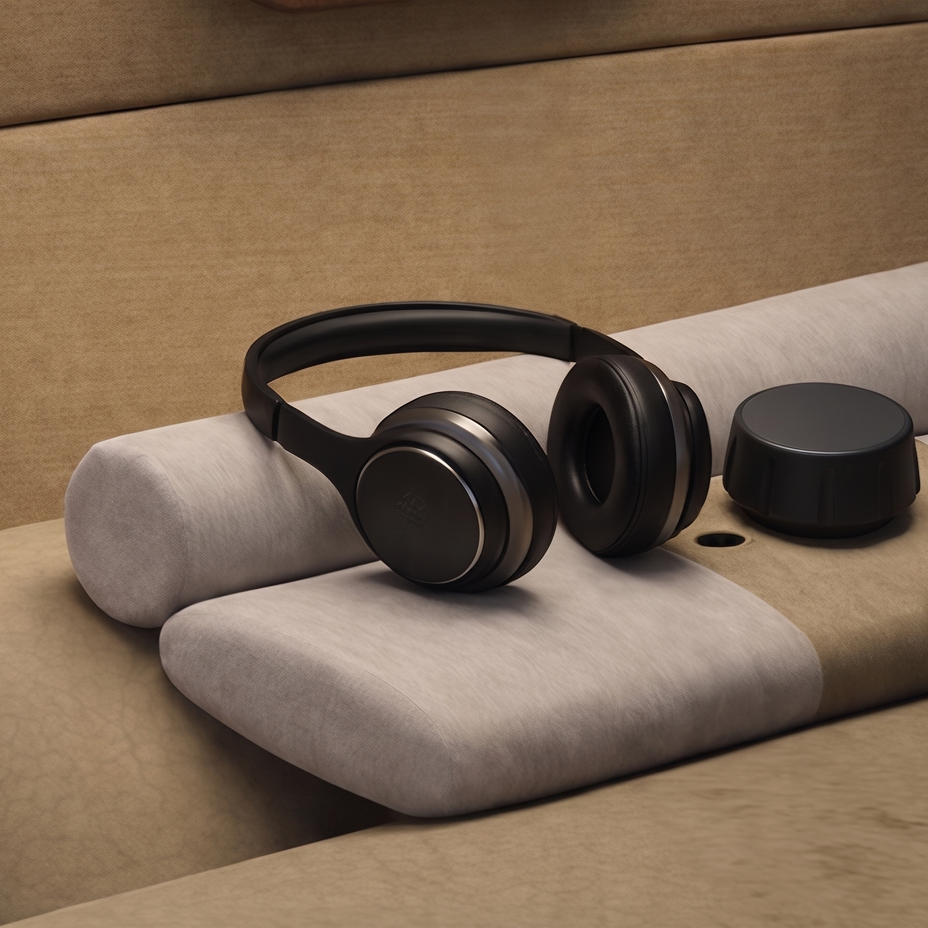
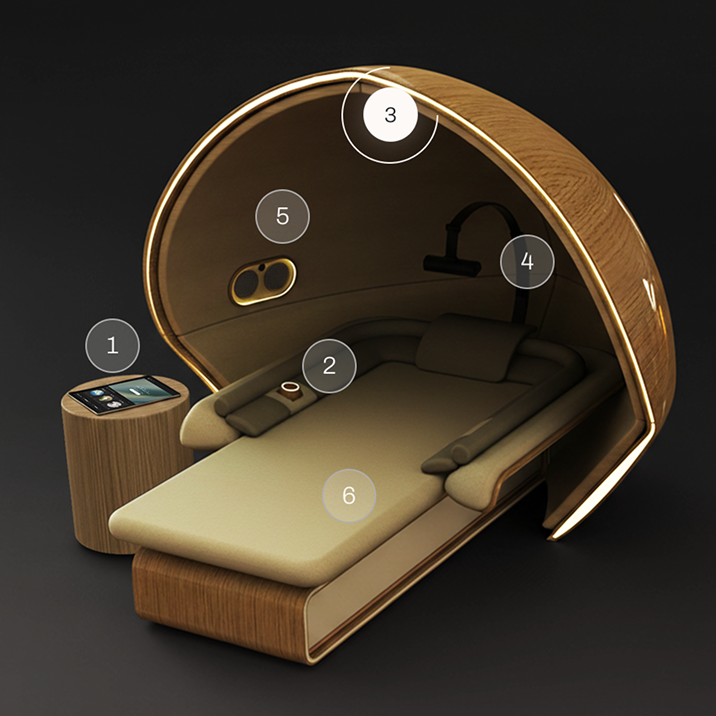
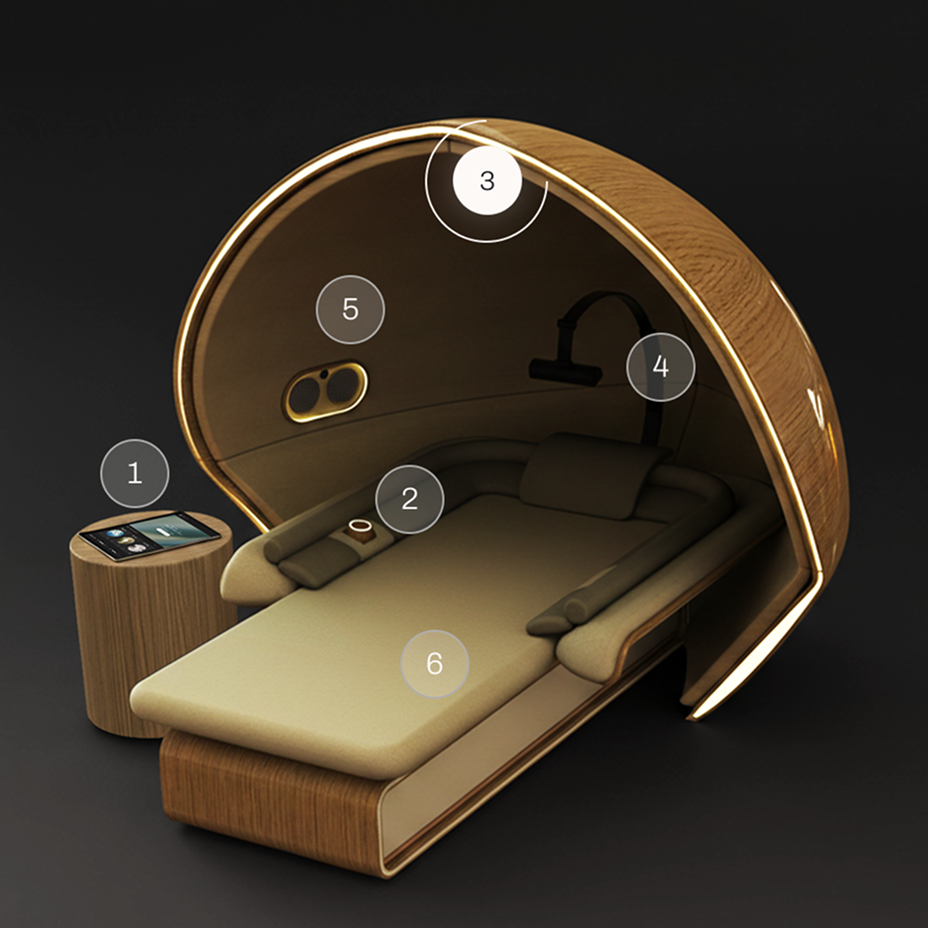
Product UX/UI for a connected wellness system
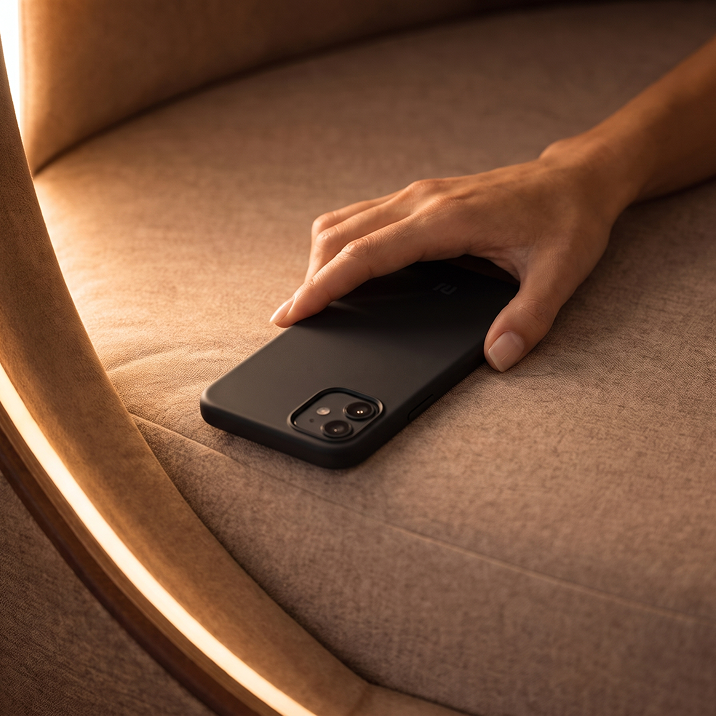
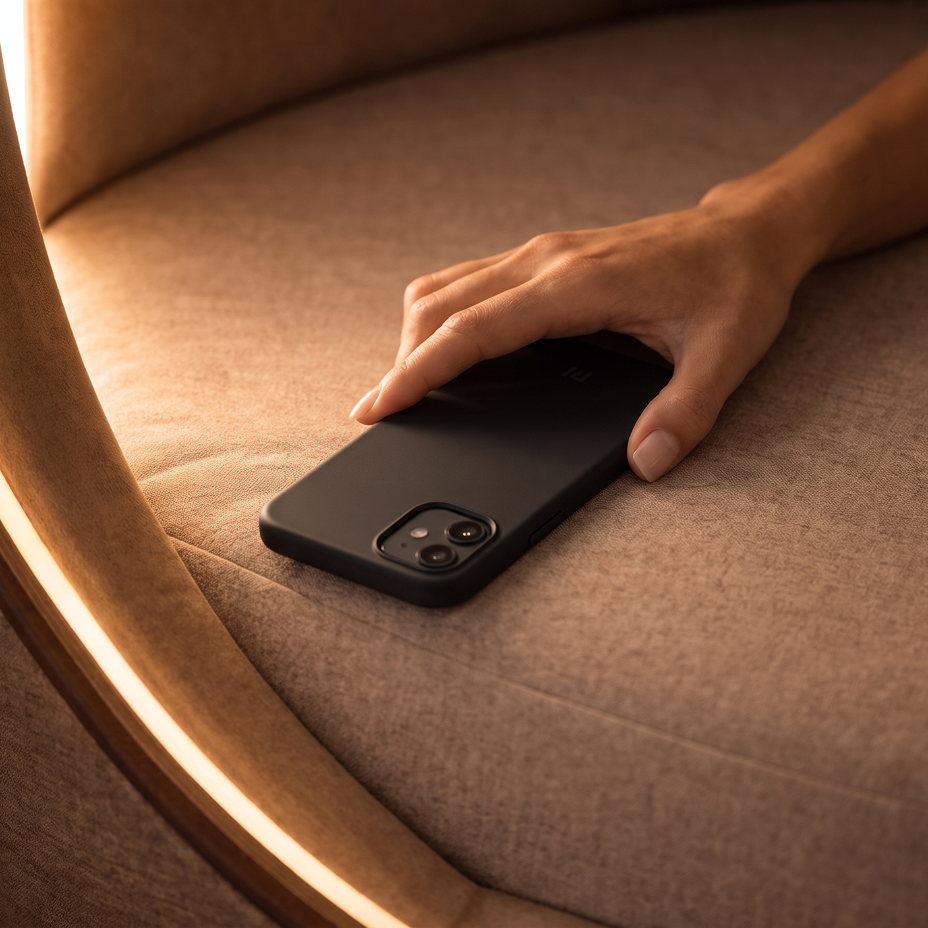
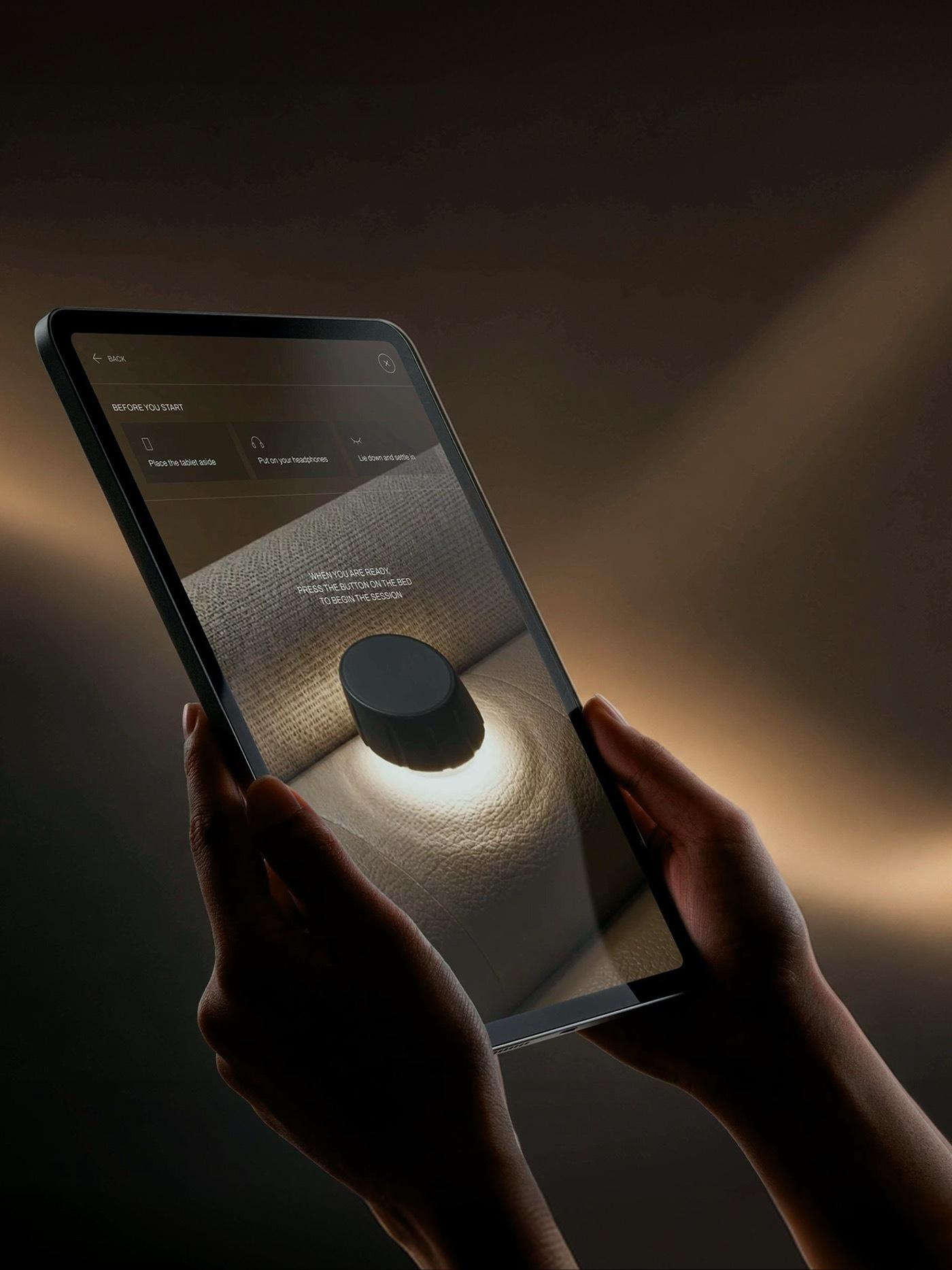
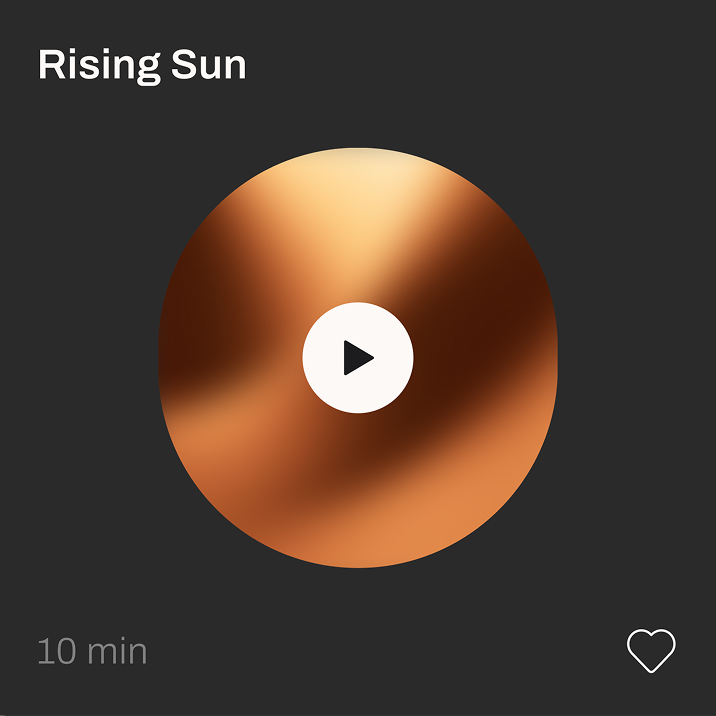
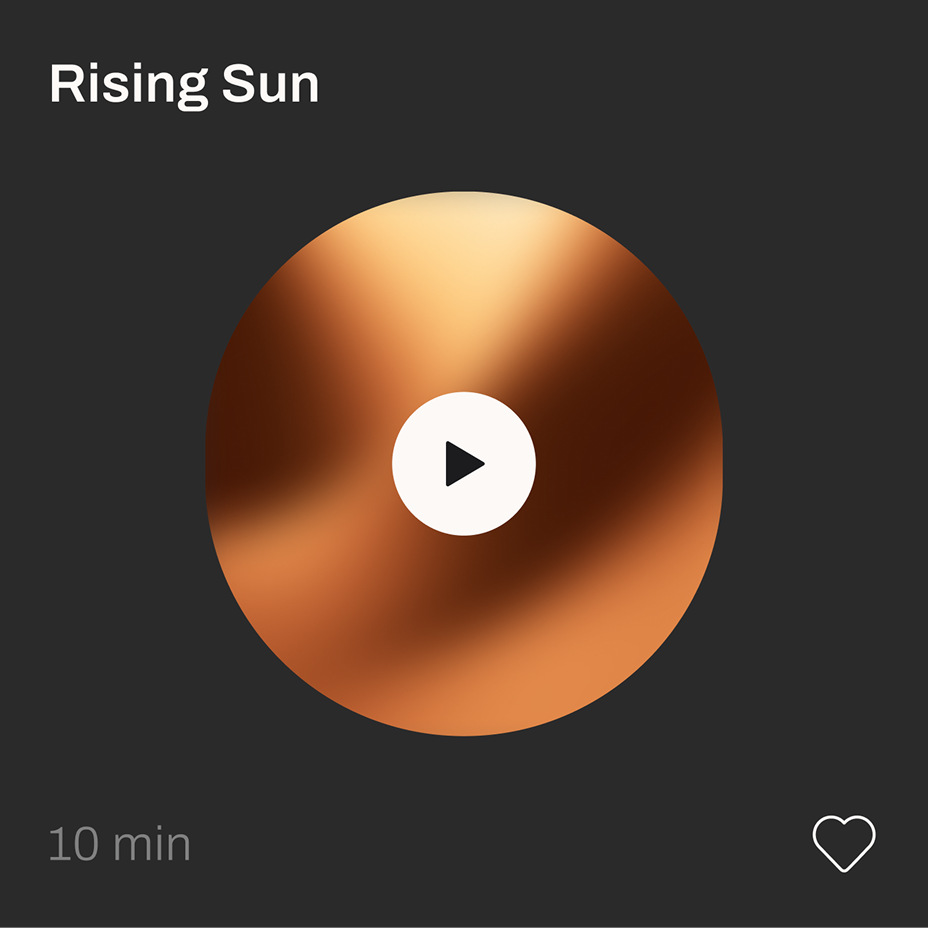
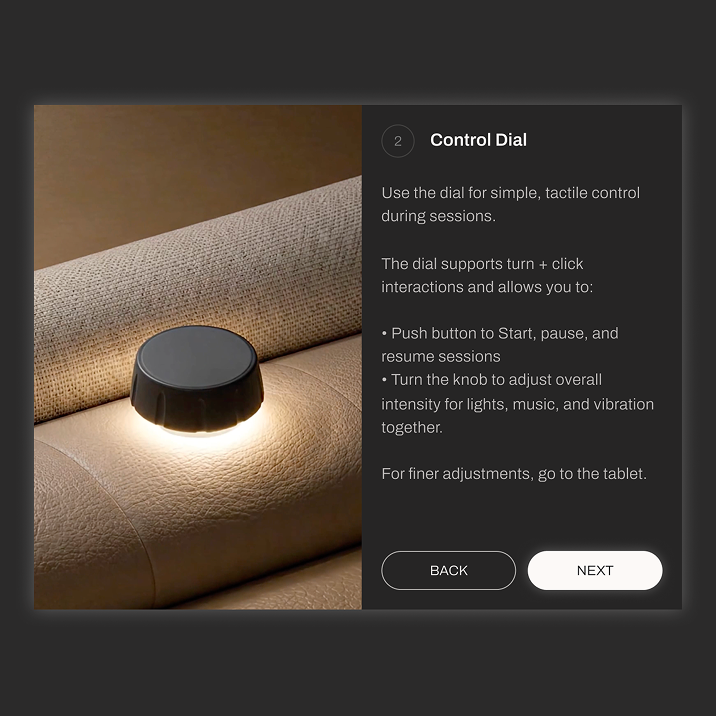
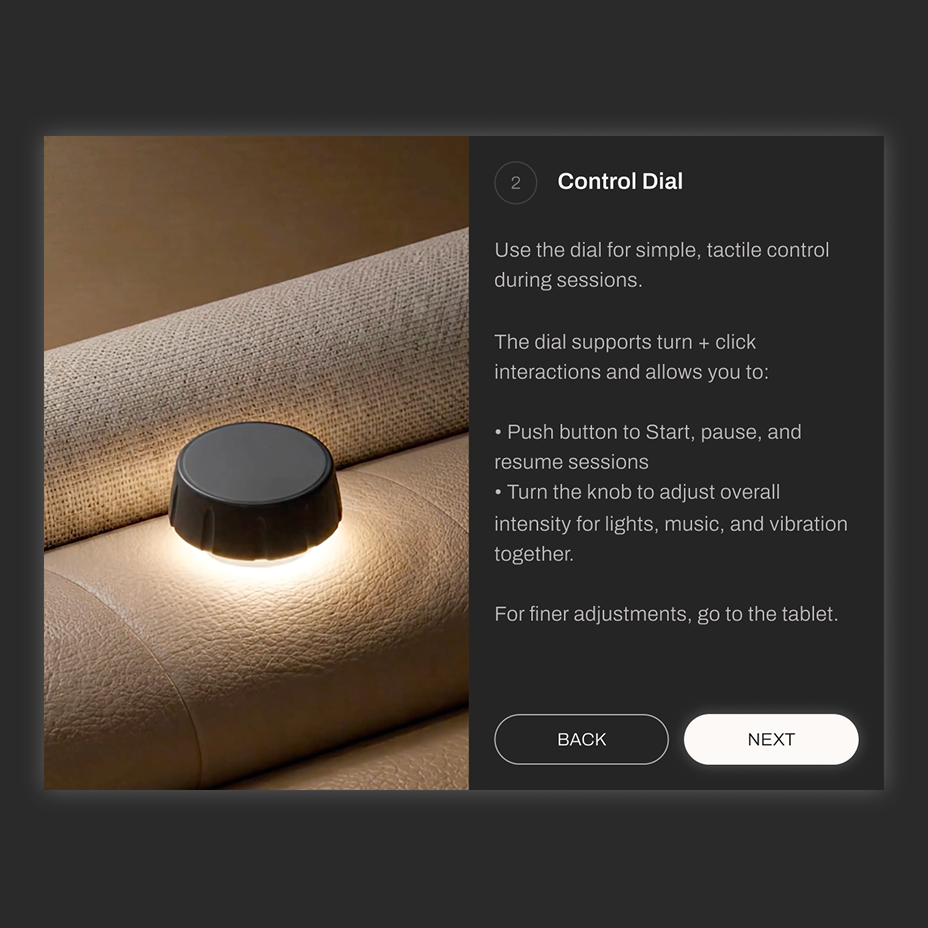
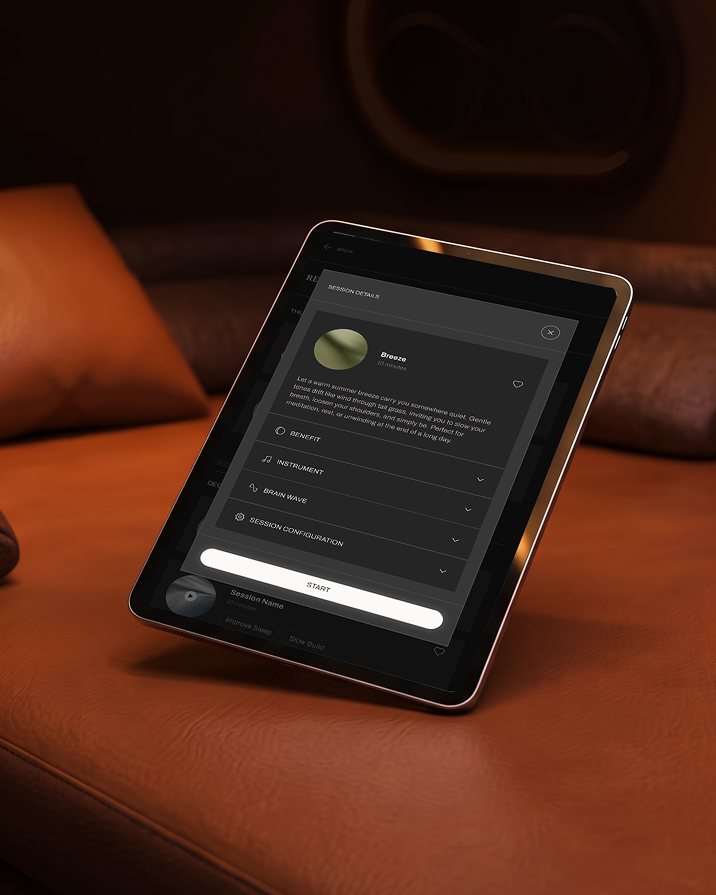
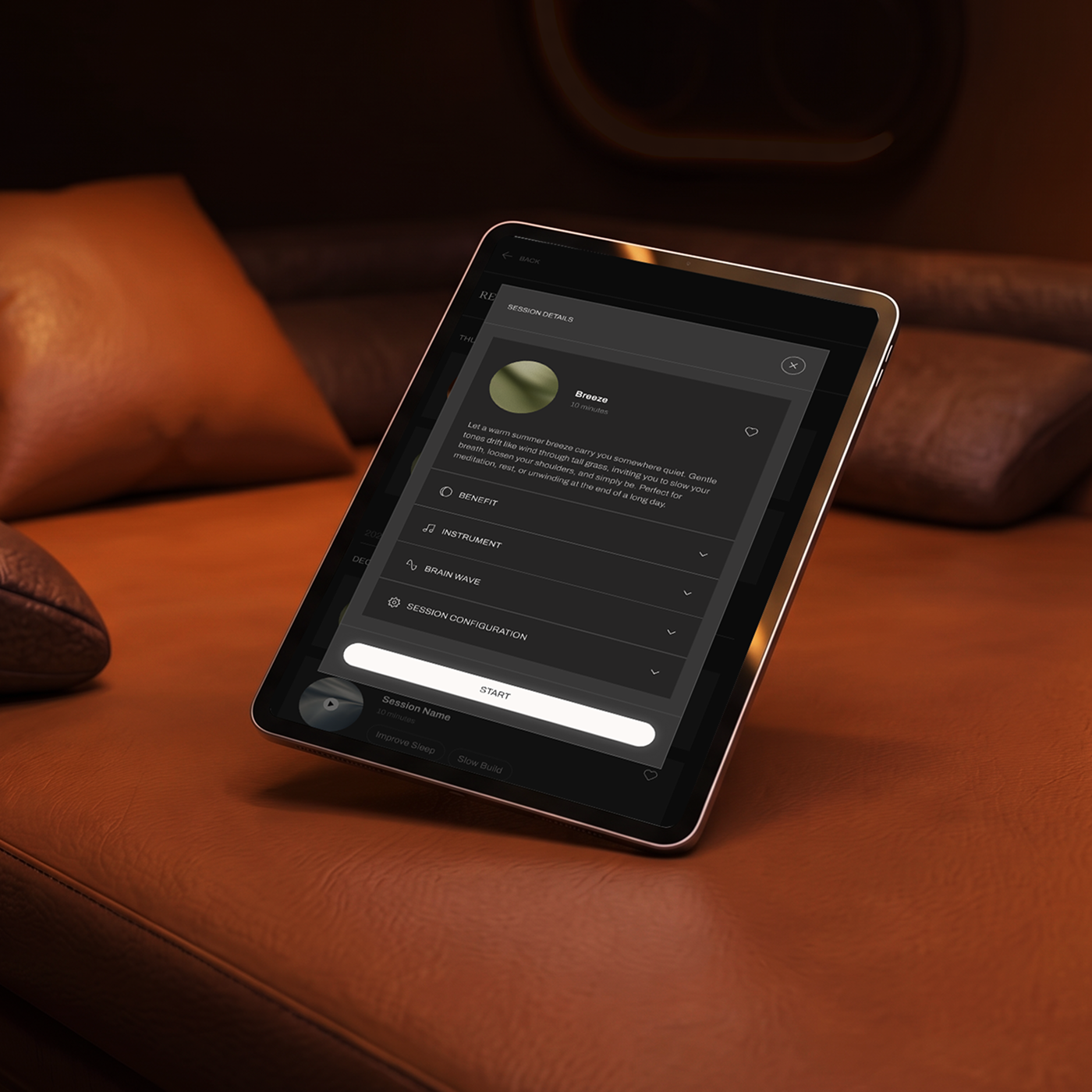
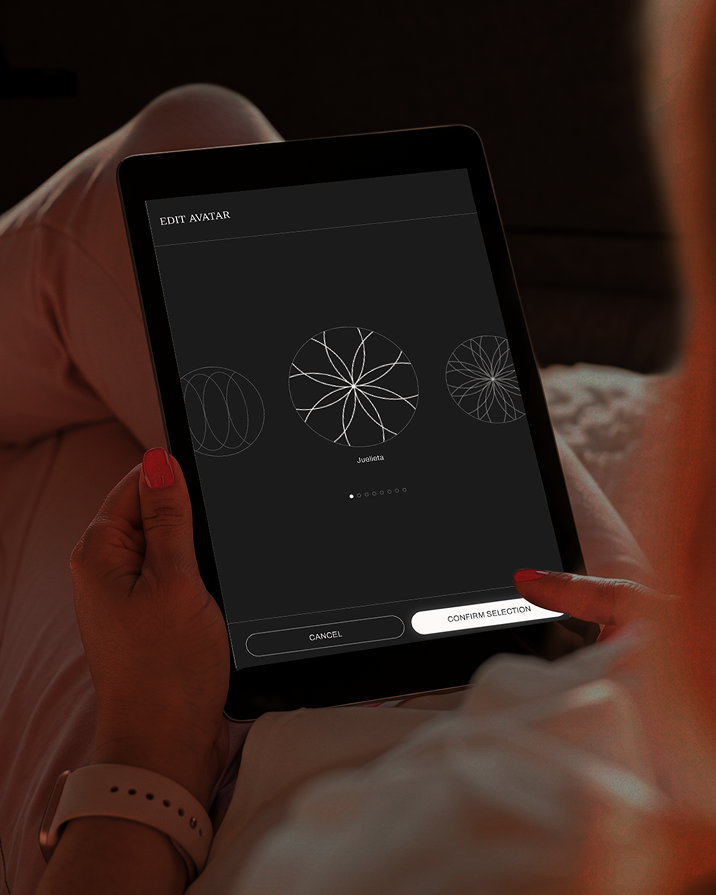
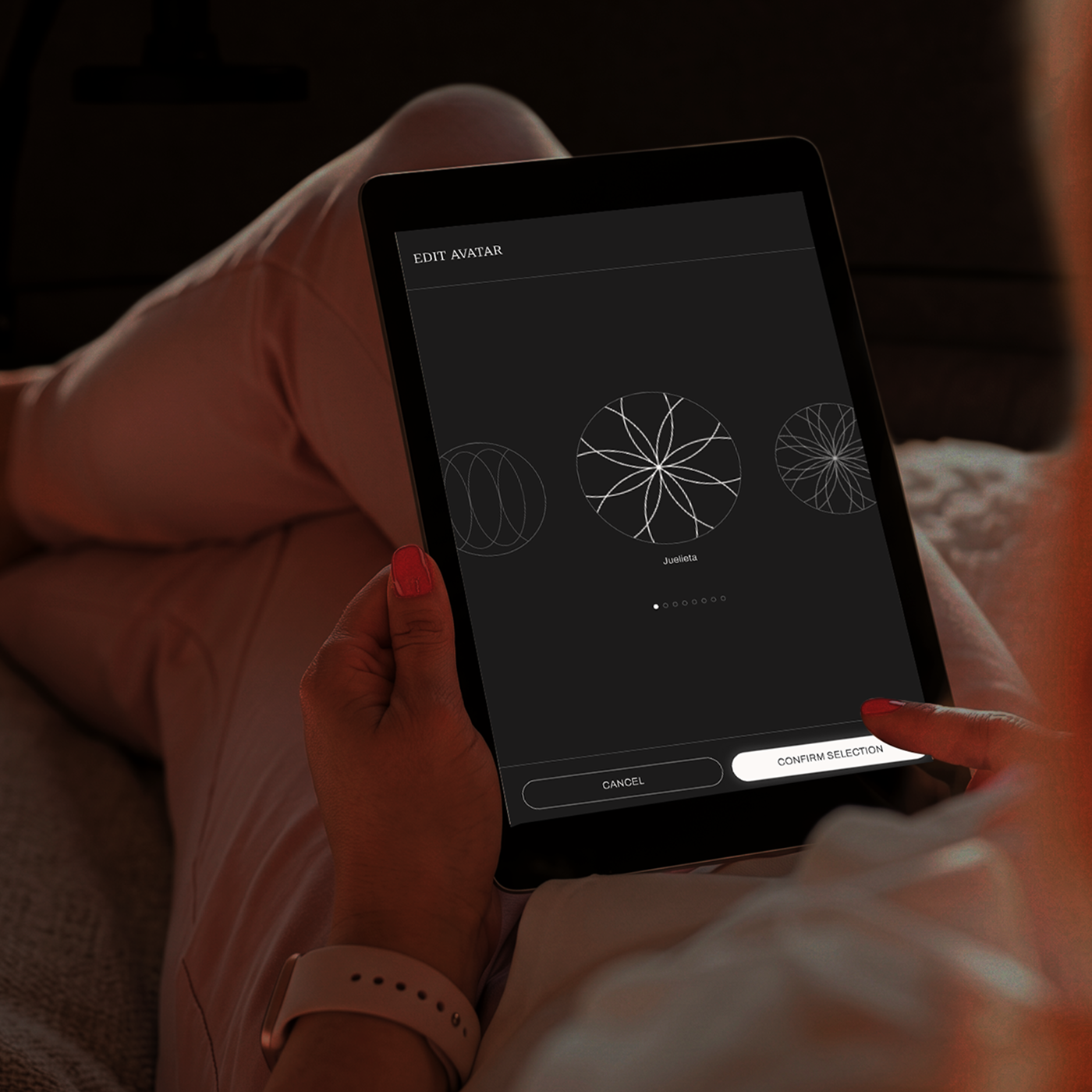
L+R shaped the UX/UI around the moments that matter: starting a session, selecting content, controlling intensity, understanding state, preparing the device, and continuing the relationship after the appointment. The design system stayed intentionally quiet so the technology could support the experience without becoming the experience.
We used Flutter as the application layer while keeping hardware-specific behavior behind clean service boundaries. The interface communicates with device systems through a shared architecture for session state, timing, and output control, allowing light, vibration, and audio behaviors to stay synchronized without exposing that complexity to the user. Native integrations remain available where the device or mobile operating system requires them, but the product logic lives in one maintainable codebase.
A production tool for creating the sessions
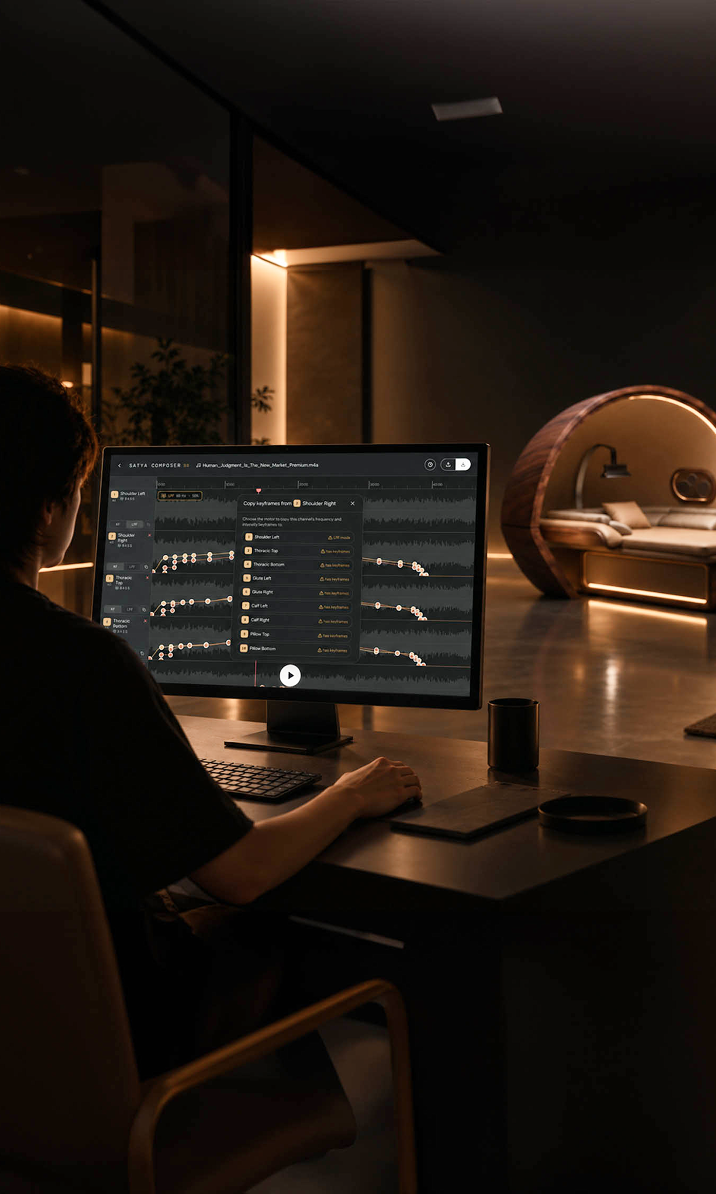
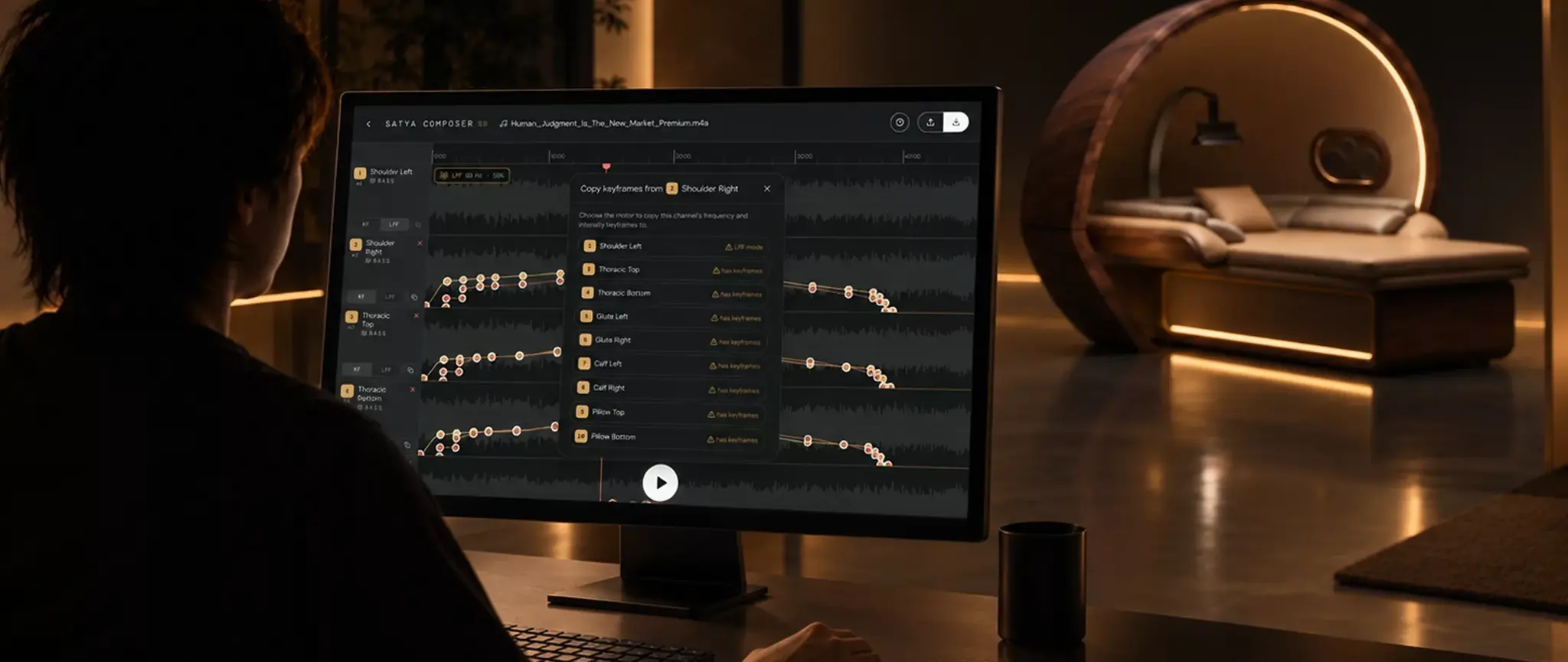
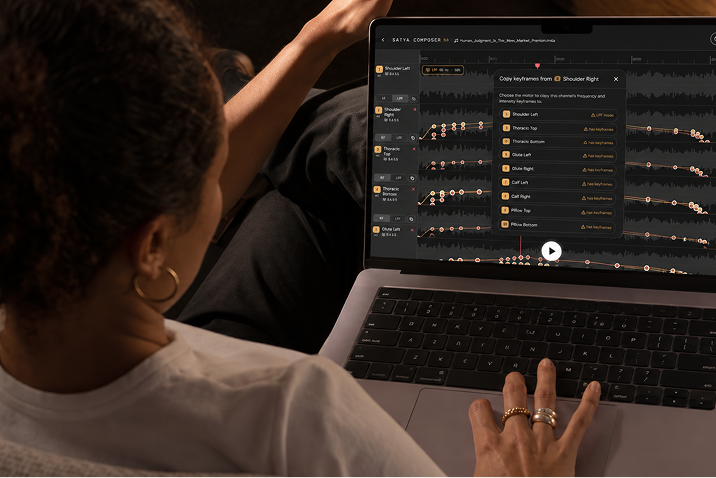
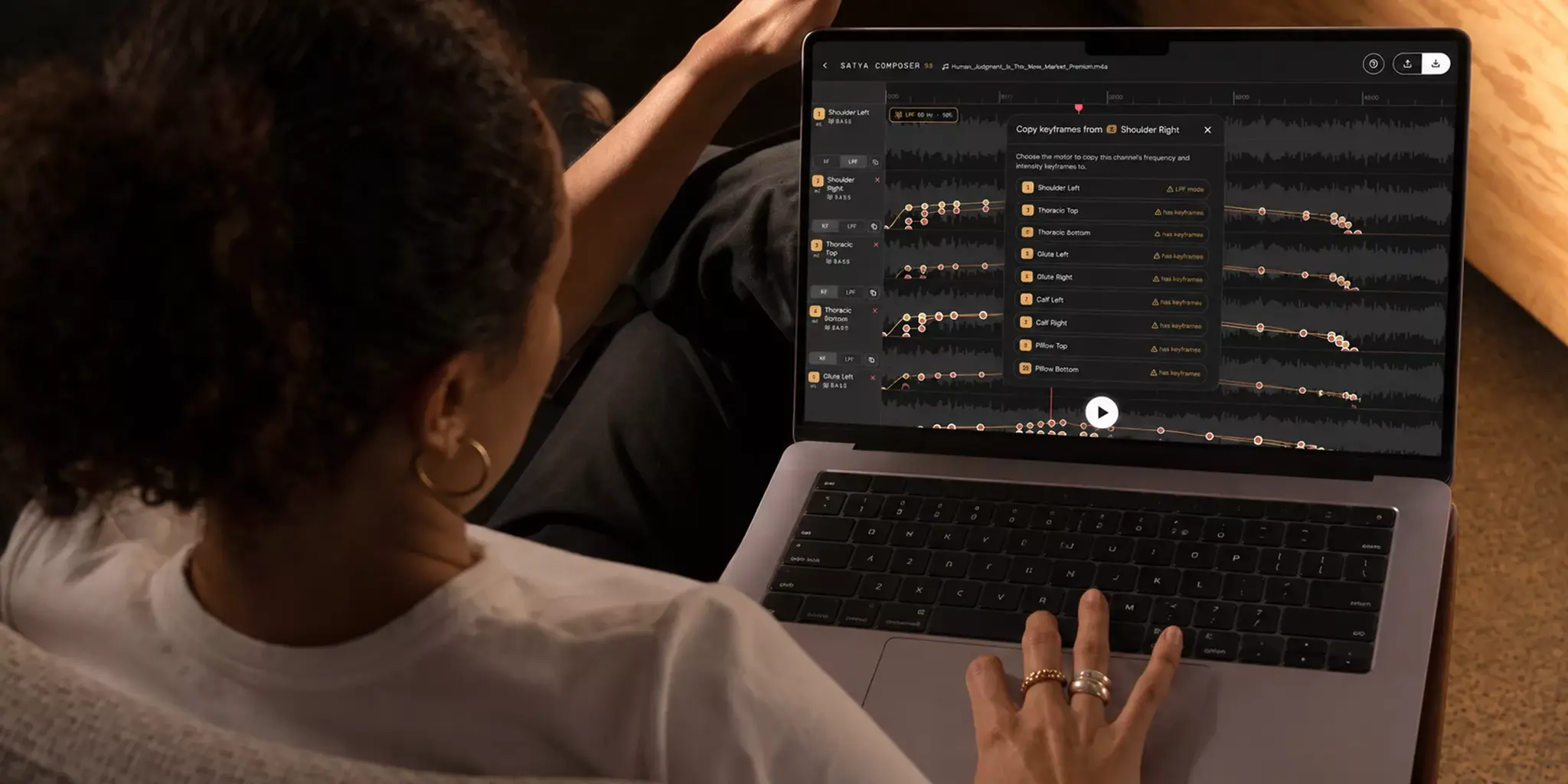
The product ecosystem also needed an authoring layer. SATYA Composer gave the team a purpose-built interface for arranging sound, light, and vibration as one session. Its UX/UI translated a highly technical production problem into a familiar timeline, track, and control model for composers and practitioners.
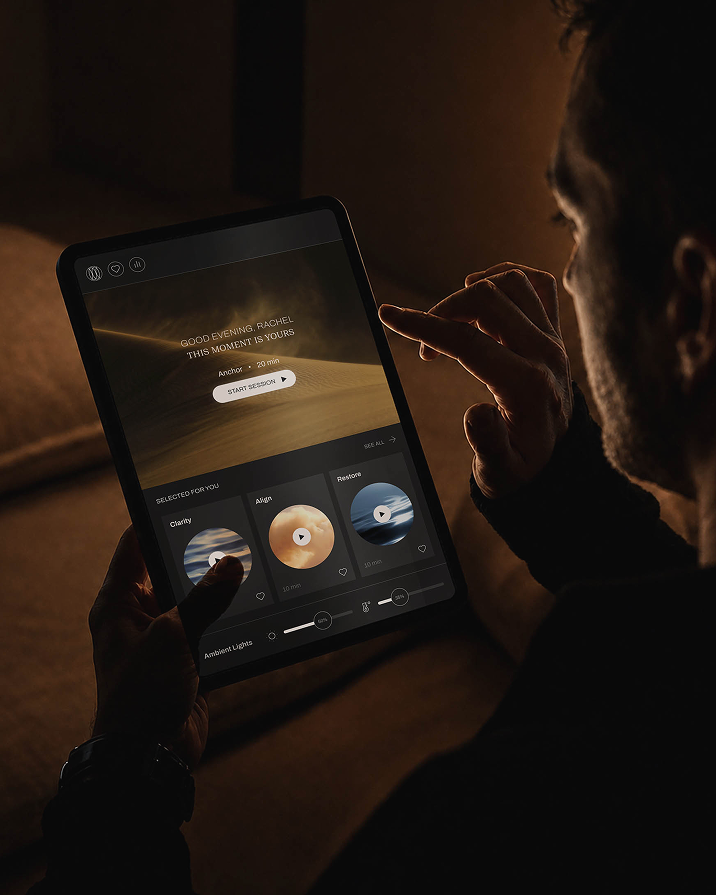
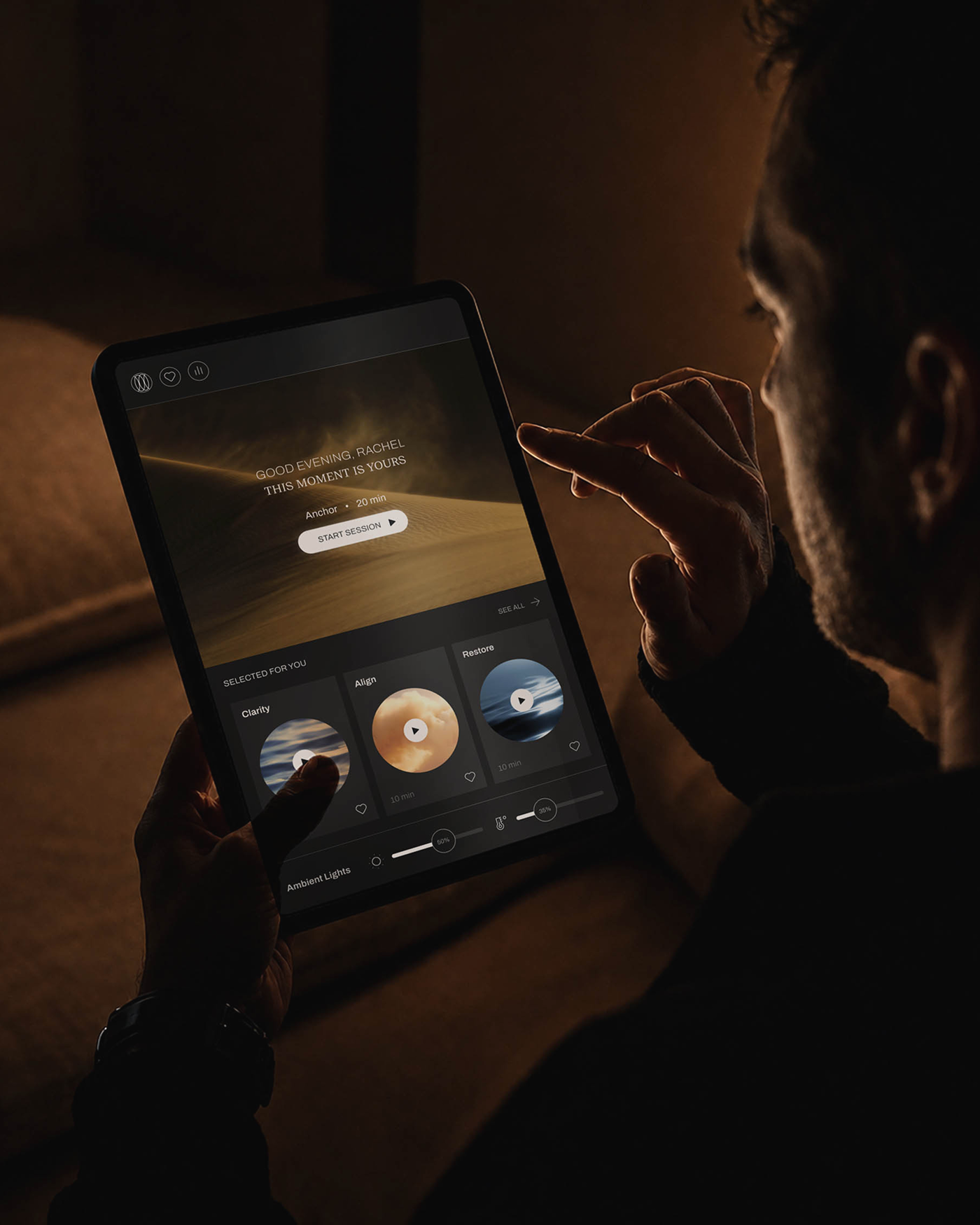
New session types and interface work can now reach the console and app together instead of through separate release cycles. The software layer can carry forward to future device models without a rebuild, giving SATYA a device platform rather than a one-off embedded interface.
The result is one codebase, one product language, and one roadmap for a family of connected wellness devices.
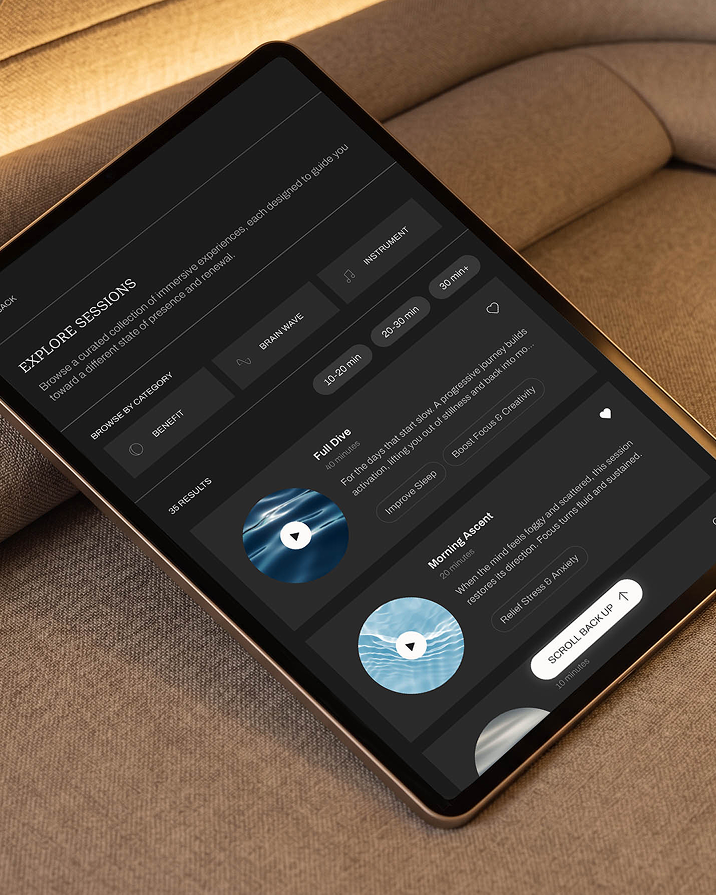
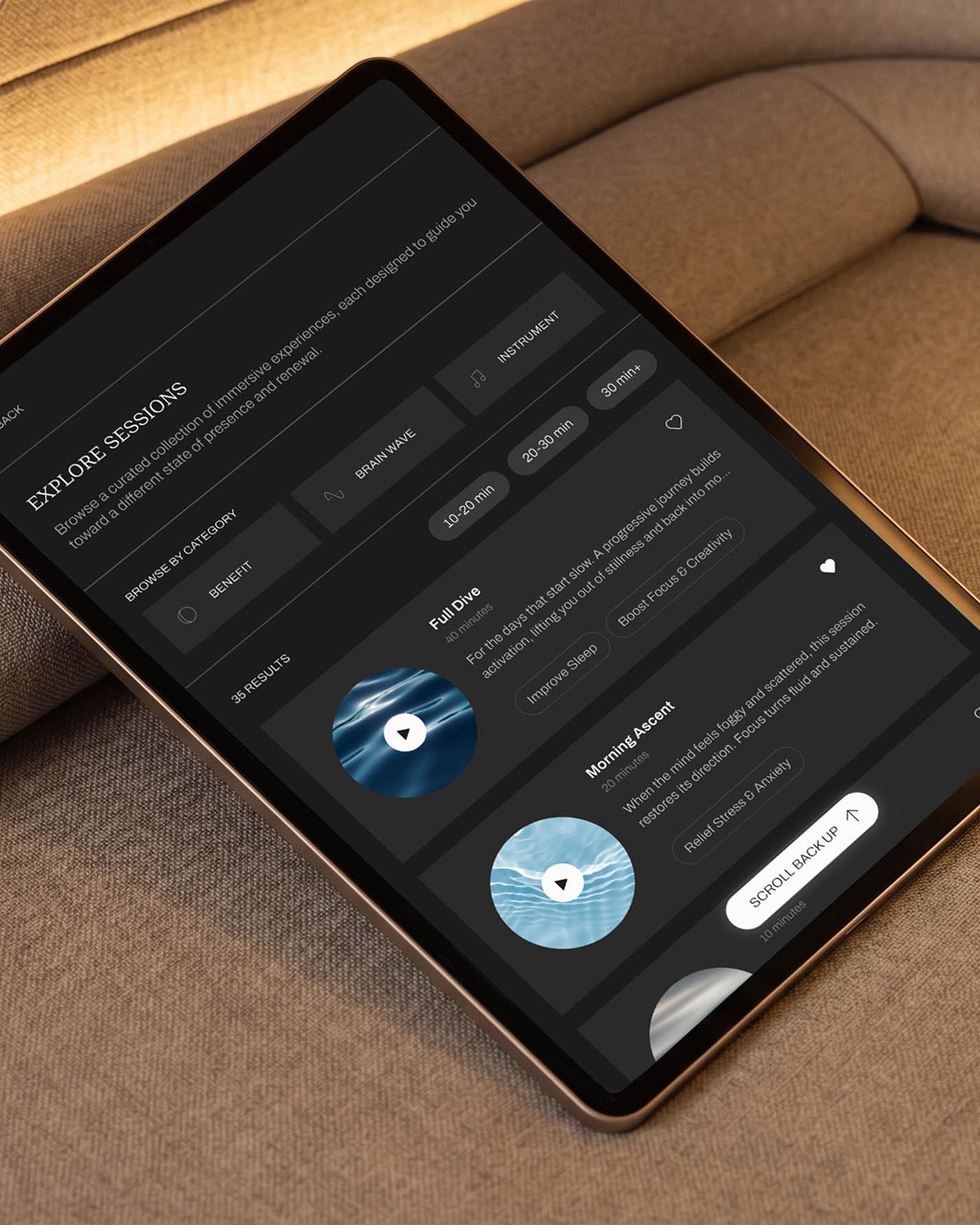
A product system instead of disconnected interfaces
The result was a more coherent SATYA platform: a device experience, app layer, facilitator workflow, and authoring tool that could support the same product logic. For connected products, that alignment is what makes UX/UI production-ready.
SATYA shows L+R's ability to design UX/UI for connected hardware where the interface, device behavior, operator workflow, and content tools all have to feel like one product.