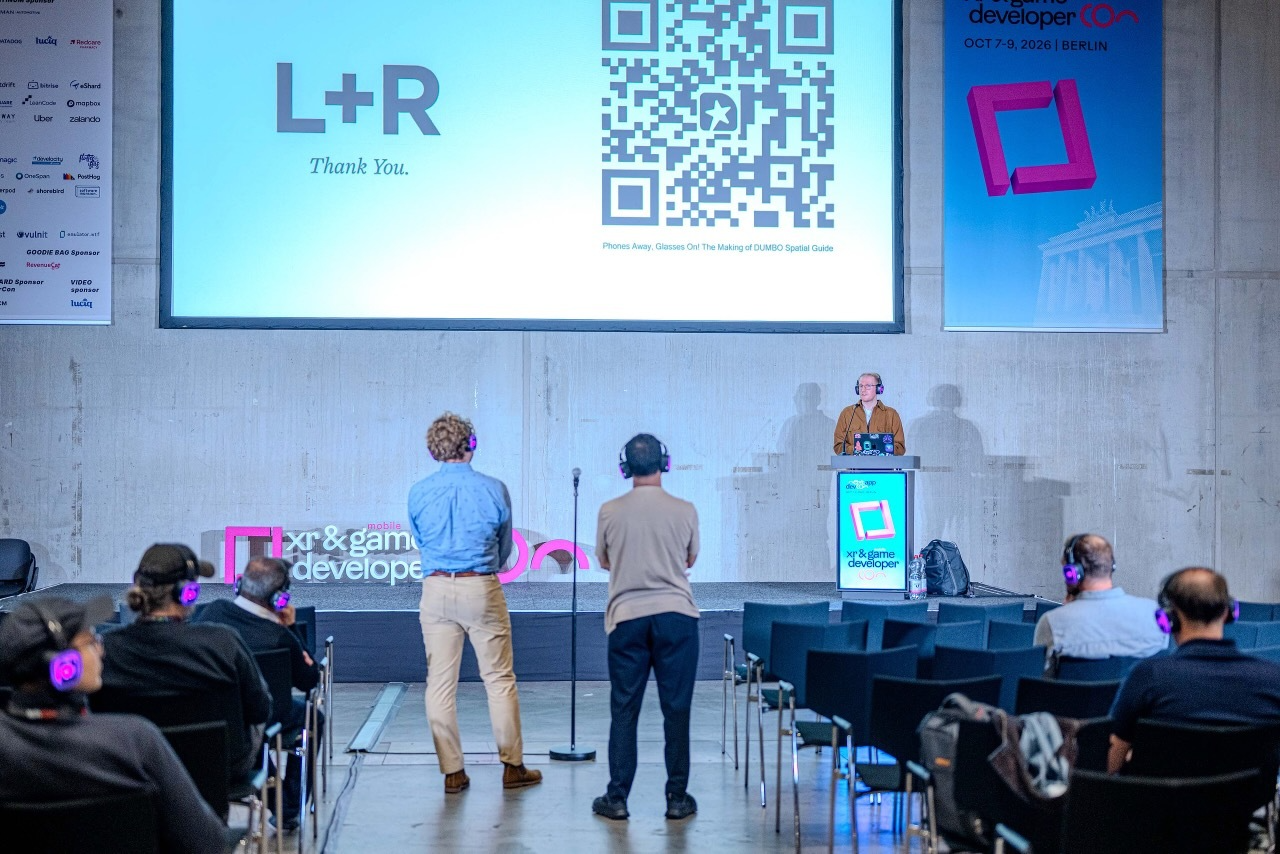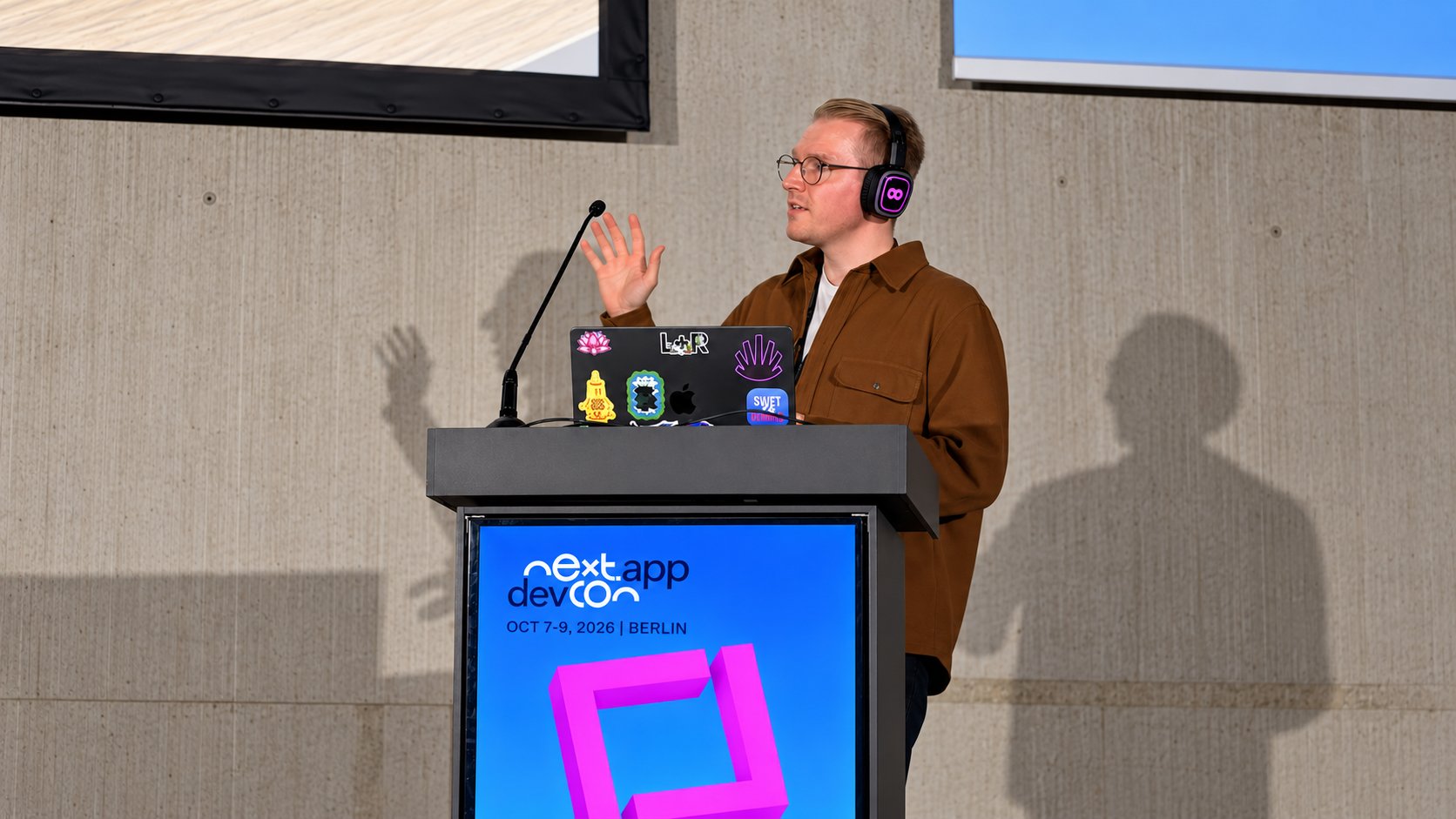
next.app devCon brought more than 6,000 engineers, architects, and tech leads to CityCube Berlin from October 7 to 9, 2026. Organized by Mobile Seasons, it combined eight developer conferences covering mobile platforms, AI-assisted coding, security, engineering leadership, XR, and games.
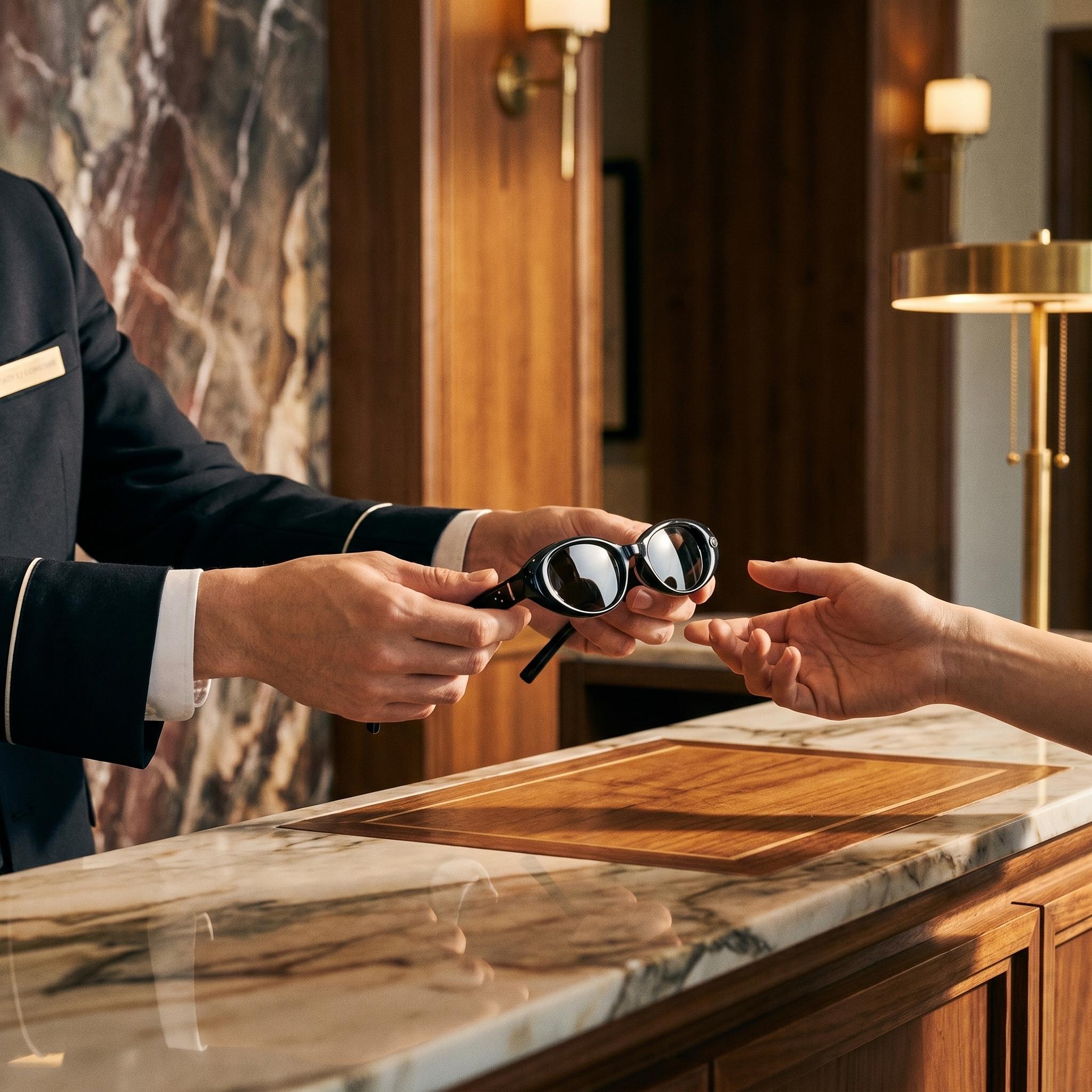
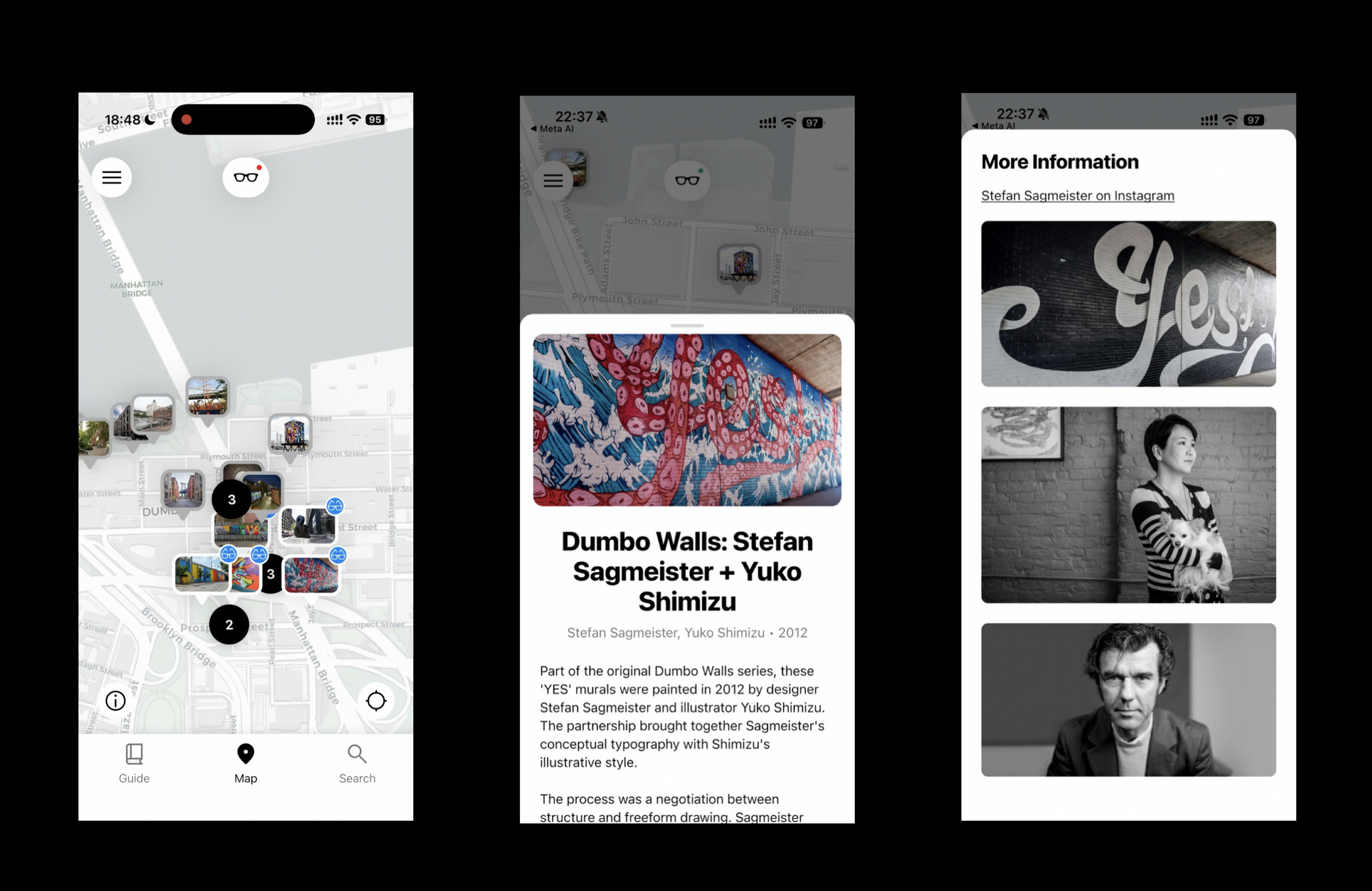
Team Dumbo, which runs the Dumbo Business Improvement District, shares the neighborhood’s public art and artists’ stories online. We wanted to bring those stories into a walking tour. DUMBO Spatial Guide recognizes artwork through Meta AI glasses while the phone stays in your pocket. People without glasses can still explore the map and content.
The central lesson for us at L+R is that building for glasses changes the assumptions behind recognition, onboarding, testing, and privacy. Interface design extends across vision, audio, haptics, and location. These lessons inform our approach to smart glasses app development.
Build on familiar skills, but test your assumptions
Much of the work draws on familiar mobile APIs and established computer vision research. Our early prototypes used SIFT to match distinctive image details. Moving to XFeat enabled CPU-based recognition across iOS and Android.
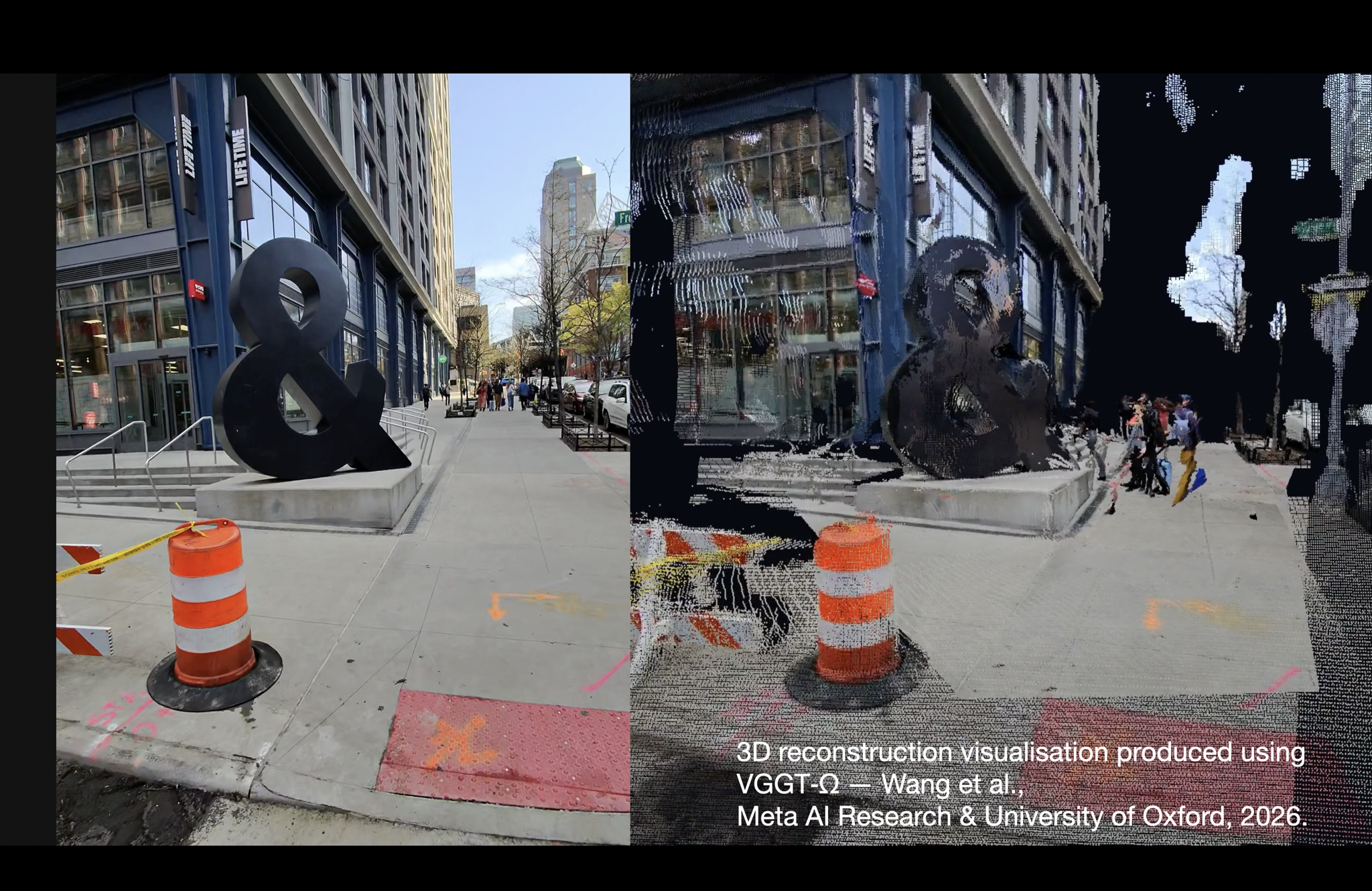
Outdoor sculptures brought different challenges because their appearance changes as you walk around them. For DUMBO, we combined location with Gemini image matching, building confidence across several frames before playing narration. Recognition needs to suit the environment where people will use it.
The guide is built in Flutter, allowing us to share the tour experience across platforms. L+R’s Gautier de Lataillade created and maintains the Wearables DAT wrapper that connects it to Meta’s glasses capabilities.
Make the experience clear before it becomes hands-free
Connecting glasses involves registration and camera permission through the Meta AI app. We built a guided flow that explains each step as users move between apps. It has since become the pattern we use across our AI glasses applications at L+R, helping people understand which permissions they are granting and why.
We combine custom haptics with narration of the opening screens for people wearing Bluetooth audio, establishing how the tour will communicate. But that narration competed with VoiceOver, so we disabled it during onboarding when VoiceOver is active. Designing for audio means considering what else the person is already hearing.
Invest in repeatable testing from the start
The clearest lesson was that field testing alone was not enough. We invested in repeatable automation later than we should have.
Meta’s MockDeviceKit lets developers supply recorded photos and video through the same integration paths. Capturing landmarks from different viewpoints and in different lighting gives the team material to replay as the app changes, without everyone needing glasses or another walk around the neighborhood. That collection should be part of development from the outset, alongside field testing.
Question what needs to leave the device
The DUMBO implementation presented in the talk sent raw camera frames to a cloud model. That increased mobile data and battery use. More critically, the frames could include identifiable people nearby.
Our work to date with AI glasses has informed Ephemeral Perception, an approach that asks whether raw sensor data needs to leave the device and what can be understood locally first. The version demonstrated had not yet adopted that approach. The next step is to explore how far location and wearable sensor data can take the tour without a camera.
For teams working in spatial computing, our guiding principle is to use the minimum sensing the experience needs, make feedback easy to understand, and treat privacy as an architectural decision from the start.