Apple Intelligence
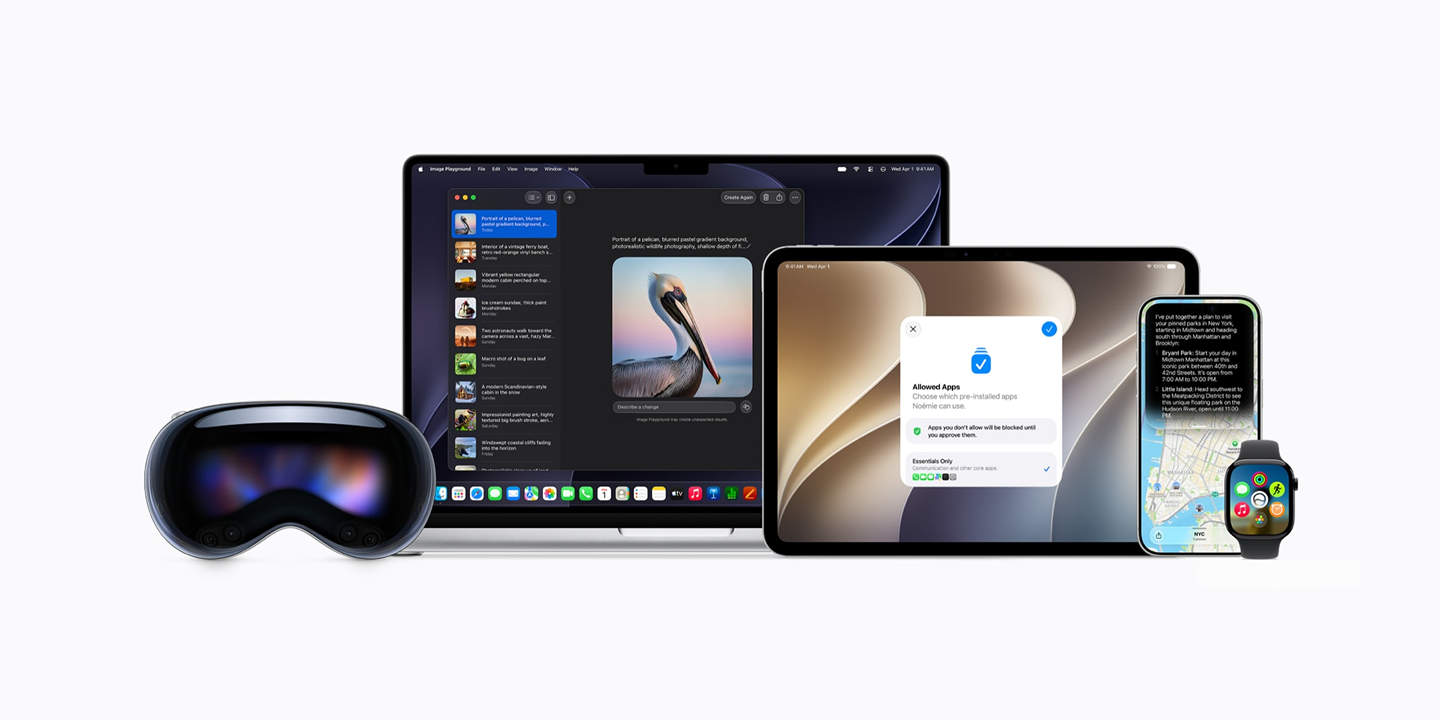
Finally, Apple is showcasing the AI work it has been doing behind the scenes, which I have been waiting patiently for. There is a dedicated Siri app and AI integration throughout iOS 27: shortcuts to accomplish complex tasks, suggestions in Messages, voice and prompts as input modalities, generative UI possibilities, Image Playground, and more.
Apple is also embedding the A20 Pro chip into its newest devices, which gives the company room to keep rolling out AI features on-device. For L+R, the work ahead is designing where these capabilities belong inside an app and what they should feel like once they are there. It is an exciting time to design with AI.
iOS 27
I love Liquid Glass, and I am happy to see iOS 27 continue to polish that design language across Apple's products. The new control that moves the system from ultra-clear to fully tinted is especially interesting because it treats interface material as something users can tune, not just something designers choose once.
Siri is now personified as a glowing orb, home-screen mini apps bring more functionality into the OS, and faster app launches create space for richer feature design. At L+R, every time Apple ships a new UI kit, we revisit the apps we build: first to keep them current, and then to learn what new design possibilities the system opens up.
AirPods 5
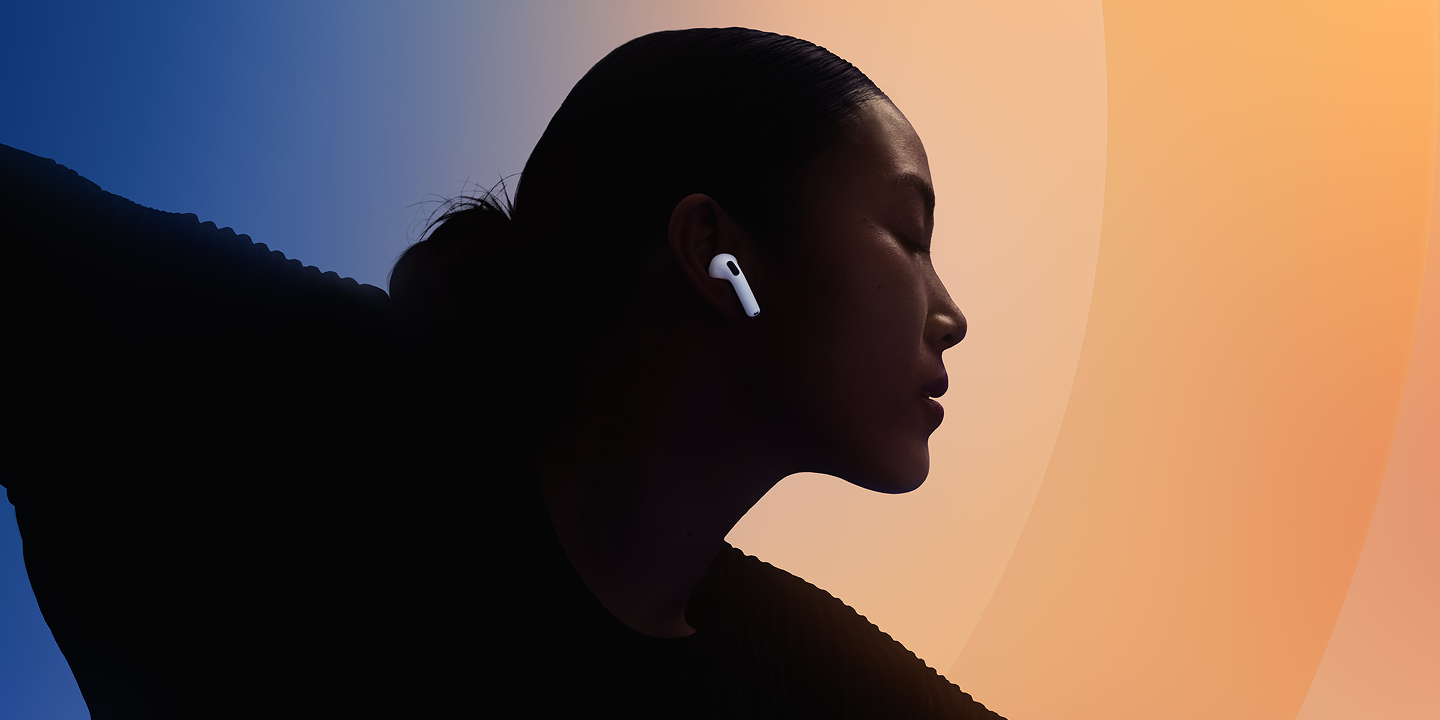
It has been a delight to watch Apple's headphone division evolve. AirPods, and now Beats, are becoming a sophisticated computational extension of Apple's ecosystem.
Because they are integrated with Apple's software and carry dedicated silicon, they can do things third-party headphones simply cannot, including Live Translation and shared listening experiences across Apple headphones. At L+R, we have watched computing diffuse further into peripherals, and when the right iOS projects come our way we will be ready to design seamless experiences for AirPods.
Apple Watch
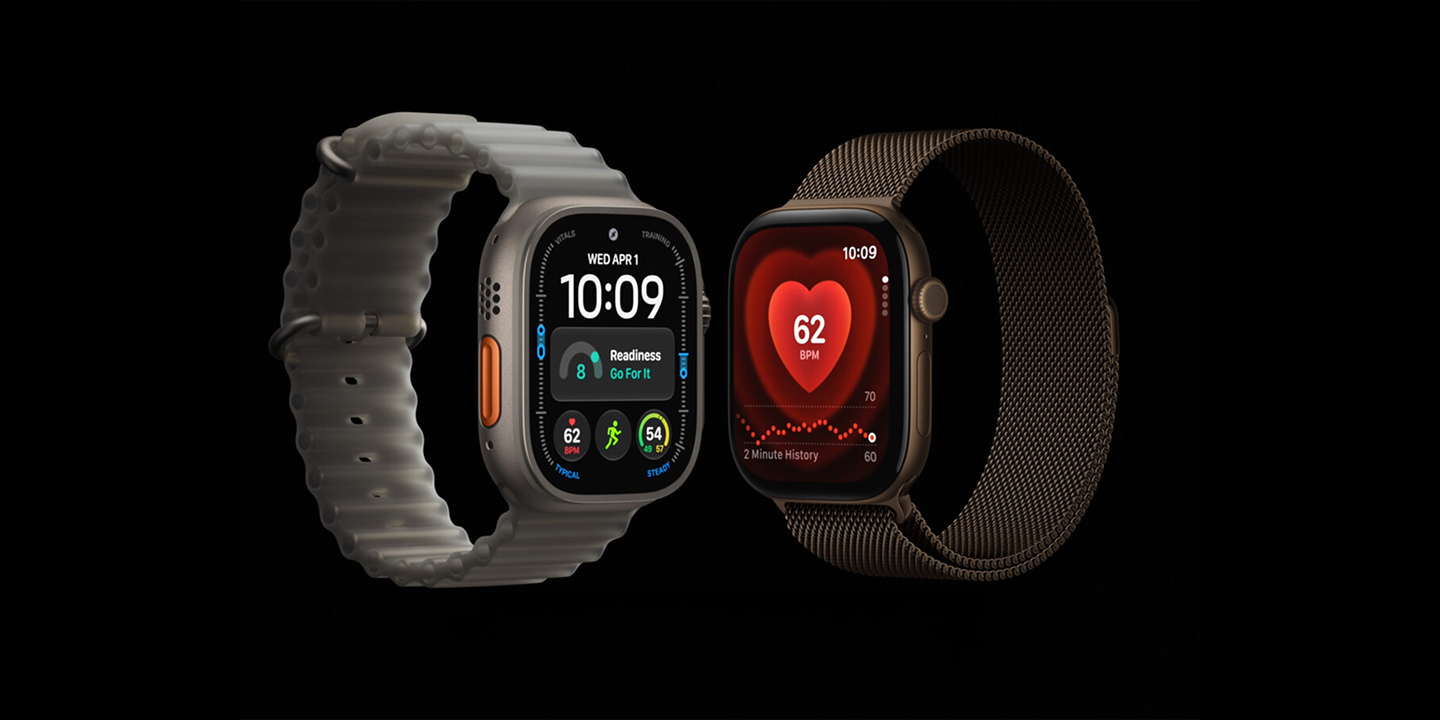
As a health-conscious designer, I have been watching Apple Watch move from casual smartwatch to critical personal health device. Series 12 and Ultra 4 build on sleep apnea notifications, hypertension notifications, HRV, Vitals, fall detection, crash detection, ECG tracking, blood oxygen tracking, and more with upgraded health sensors.
As AI continues to tackle the complexity of biology, personal health experiences will need to become more legible, supportive, and trustworthy. L+R will be ready to design the next wave of healthcare apps around that kind of responsibility.
iPhone 18 Pro
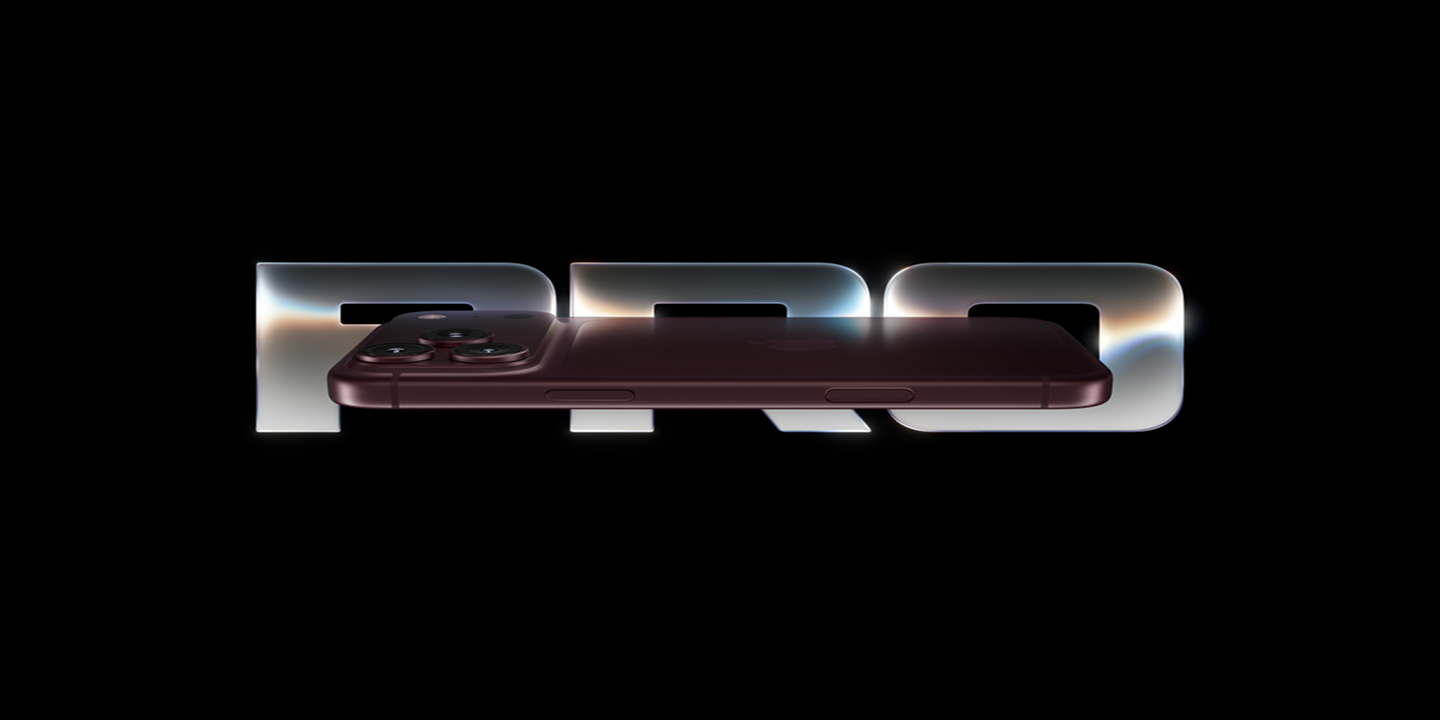
As a product designer, I cannot forget the iPhone. It is still the most important personal computing platform in existence, and what matters about the 18 Pro is the hardware because hardware is what makes better software possible.
A variable-aperture camera, faster GPU, extended battery life, faster charging, improved front camera, vapor chamber, A20 Pro chip, dual capture video, and other performance gains all give designers more room to work. Each iPhone generation pushes us to improve existing products and imagine new ones for the global community of iPhone users.
iPhone Duo
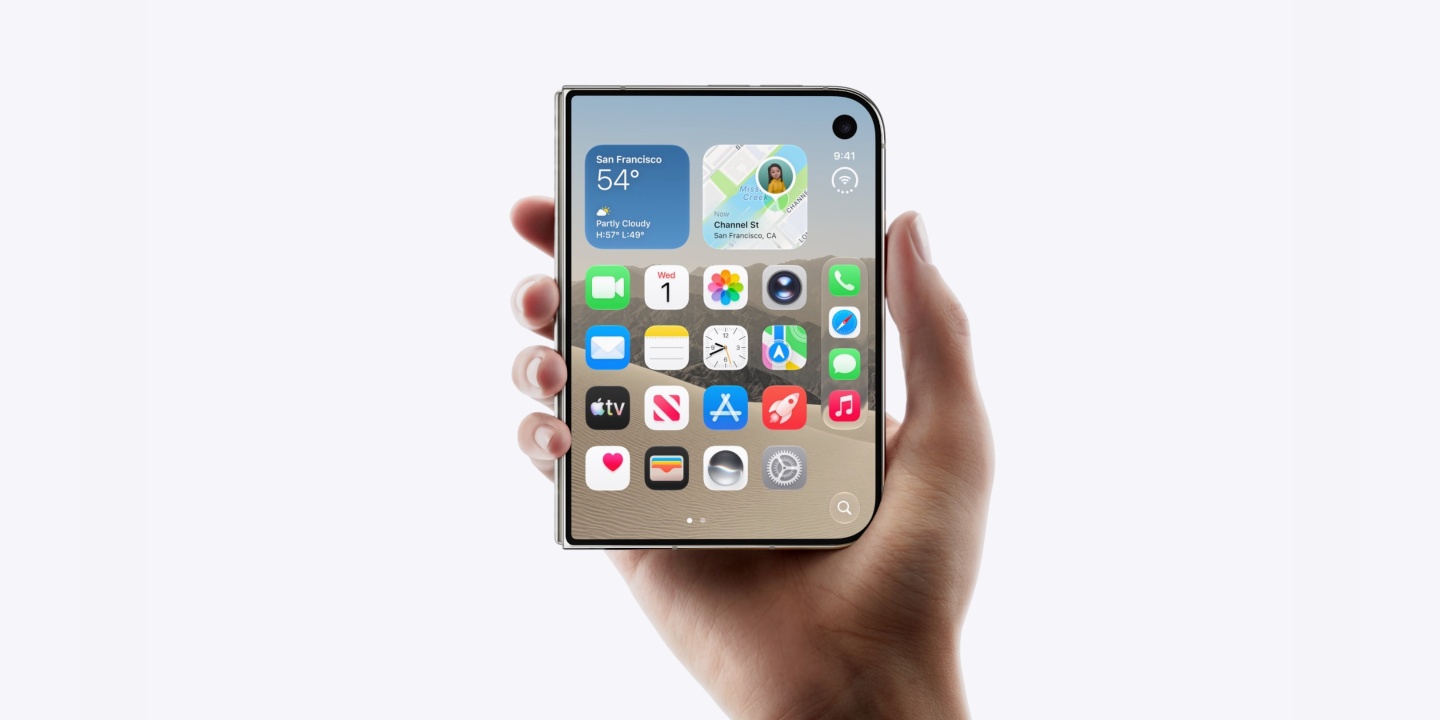
Last but not least, Apple introduced the one many people had been waiting for: iPhone Duo. I have been hoping Apple would begin releasing genuinely new product formats again, and this feels like a meaningful step in that direction.
The foldable phone is not new, but when Apple enters a category it tends to clarify expectations around hardware, system UI, and developer behavior. Multiple device poses, two displays, split multitasking, a nearly invisible crease, and Apple Pencil support point to a phone that can behave more like a compact workspace than a single-purpose rectangle. At L+R, new computing platforms are an invitation: first to redesign existing apps for the new UI, and then to design the apps that were not possible before.
All in all, Apple's September event gave designers a lot to absorb. At L+R, we have already started reviewing Apple's documentation and exploring how to redesign client apps around these releases. The work now is to push beyond feature adoption and toward sublime experiences that make new capabilities feel inevitable.
Apple
Apple September 2026 event, iOS 27, Apple Intelligence, iPhone 18 Pro, iPhone Duo, AirPods 5, and Apple Watch Series 12 / Ultra 4.