That changes the brief for businesses. Products still need good screens, but they must also be understandable and usable by the personal agents acting for their customers.

Personal AI becomes useful when it can act
Muse, Meta's personal AI agent, was the clearest example of this shift. It can remember context, use a computer, connect to services, make purchases, and keep working after the user moves on to something else.
My first keynote note described Muse as an OpenClaw-style personal agent built for a wider consumer audience. Both move beyond question-and-answer chat. A personal agent needs memory, tools, permissions, and a way to ask for approval before it does something consequential.
Meta showed what that requires in practice. Muse can operate a browser and a Mac, receive email at its own address, and connect to commerce, travel, work, and productivity services. These integrations are what turn an impressive model into a useful product.
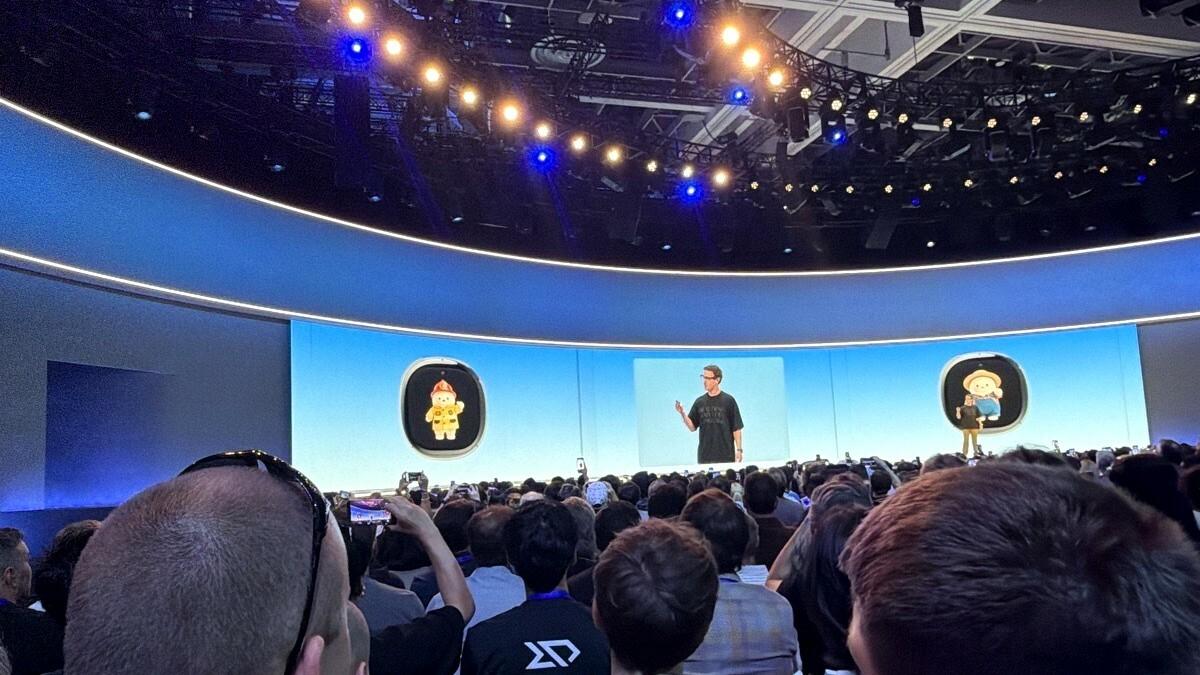
Meta also introduced Muse Charm, a pocket-sized device for talking to Muse through a real-time voice model. Meta has shared few details so far, but the form factor makes the intent clear: a personal agent does not have to live on a phone or inside a pair of glasses. A small voice-first device could keep it available to people who want assistance without another screen.
Imagine looking at a phone and asking your glasses to buy the right charger. The visual context helps the agent identify what you need. The transaction still depends on a retailer exposing the product, stock, price, payment, and delivery options in a form the agent can use. Without that integration, the experience ends with a search result.
We have encountered the same pattern in our own work. Giving an agent an email address, for example, sounds like a small feature. It lets the agent join workflows that already run through confirmations, documents, customer requests, and approvals. The value comes from connecting the agent to real work, with clear limits on what it may do.
Glasses give personal AI context
Meta described three lessons from people already using AI glasses: context matters, voice works well as an interface, and people want to delegate tasks.
A phone can connect an agent to apps and accounts, but using it often means stopping to operate a screen. Glasses can see the object in front of us, hear the question, and pass that context to an agent that continues the task elsewhere.
Meta called this “mental offload.” Someone could notice a lamp at a friend's house, ask an agent to find something similar, and return to the conversation. The agent can search, compare options, and prepare the purchase without demanding the person's attention at every step.
The hardware category is expanding around different versions of that idea. Audio glasses can offer assistance without a display. Display glasses can add directions, translation, or short visual answers. A smaller wearable may suit someone who does not want glasses but still wants information without reaching for a phone.
Meta VR Glasses show what a better form factor can unlock at the immersive end of the range. Meta moved the compute and battery into a separate pocket-sized unit, leaving roughly 100 grams on the face—about one fifth of the weight of a Meta Quest 3. That could make longer sessions practical: watching a film on a flight, working across several private virtual screens, or turning a flat surface into a keyboard and touchpad while remaining aware of the room.
Adoption will depend on useful cases and hardware people will wear. Comfort, battery life, prescription support, and social acceptance will decide whether the glasses stay on for hours or get left at home.
For most brands, the first opportunity lies in a hands-free moment where a phone gets in the way: a repair, a training session, a hotel arrival, a shop floor, a journey, or a live event. Our work in smart-glasses app development and spatial computing starts by identifying that moment, then choosing the hardware and software that serve it.

Agent-ready products start with integrations
Muse is one personal agent among many. Customers may use Meta's agent, OpenClaw, or products that have not launched yet. Businesses should not have to rebuild their service for each one.
A website built for people communicates through navigation, copy, buttons, and forms. An agent needs an explicit account of what the service can do. It needs to know what information an action requires, what it will return, which permissions apply, and when the user must approve the result.
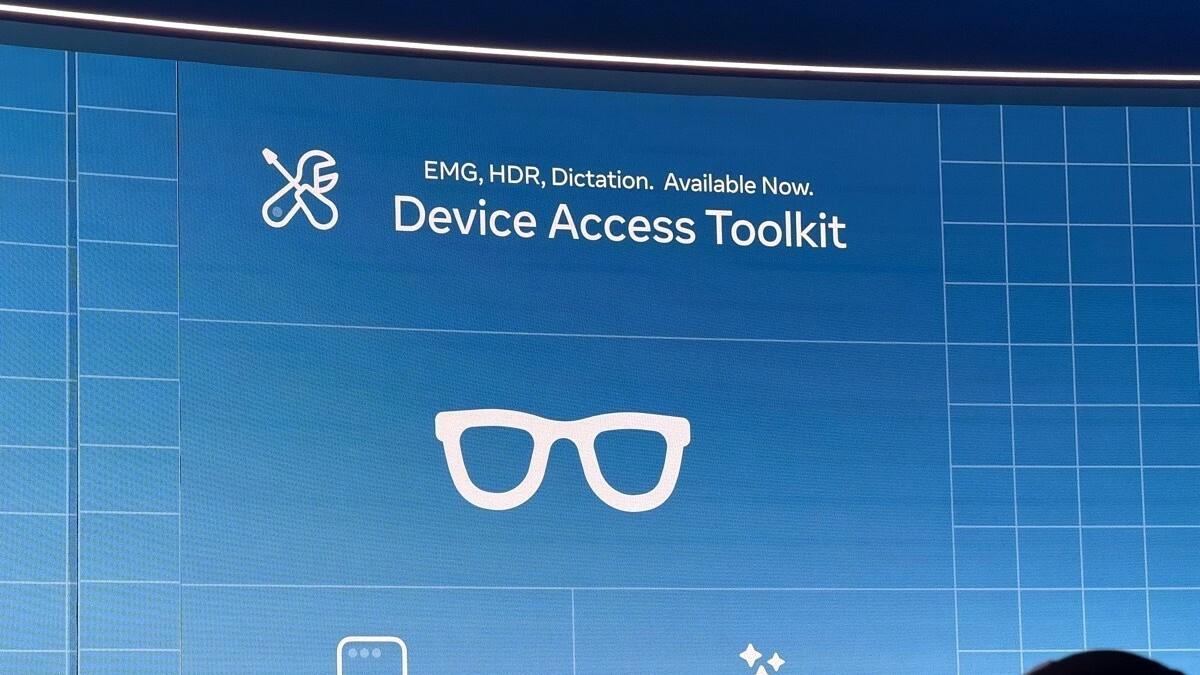
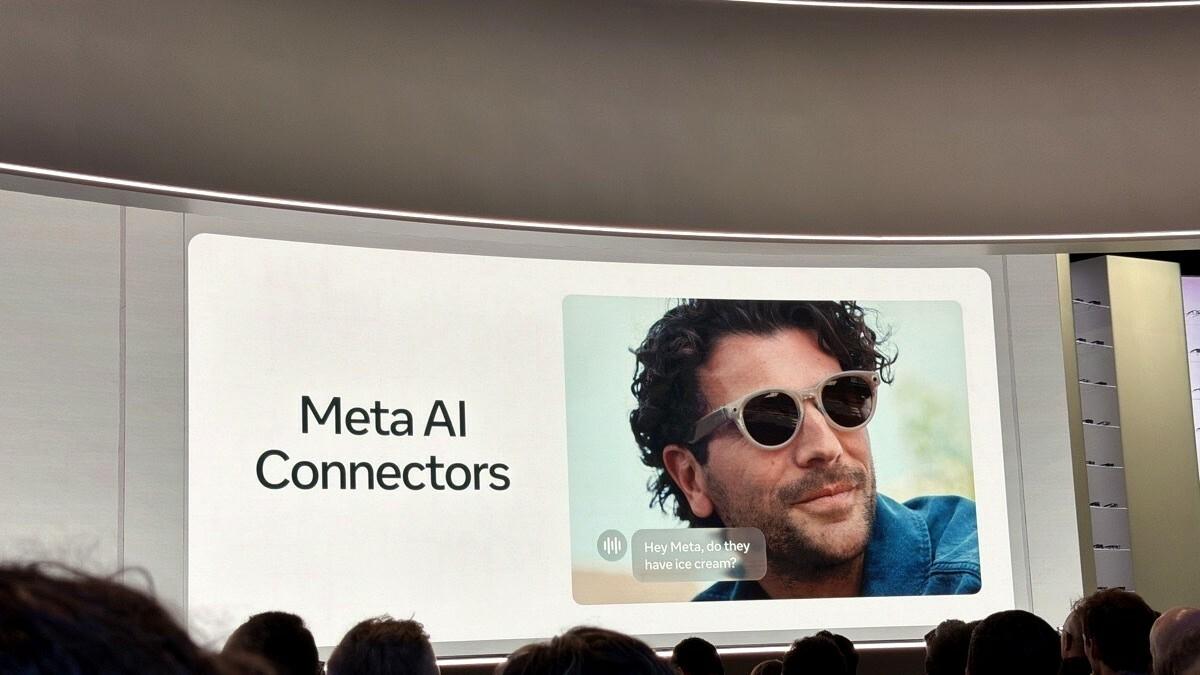
Meta presented several ways to expose those capabilities, including WebMCP and connectors to Meta AI. The names and protocols will evolve. Businesses still need to make their services discoverable and safe to operate through software.
We have started applying the same principle to L+R's own website through WebMCP, while treating it as one access path rather than the architecture itself.
An agent-ready product answers practical questions:
- Can an agent identify our products, services, locations, and availability?
- Which customer actions can we expose safely?
- Can delegated access be narrower than the customer's full account access?
- Which actions need a preview, confirmation, reversal path, or audit trail?
- Can a customer revoke access without damaging the underlying account?
- Does the experience work through voice and context, or does it reproduce a screen-shaped conversation?
The businesses that answer these questions will be easier for agents to find, recommend, and use. Others may remain visible to people while becoming hard for the systems acting on their behalf to reach.
L+R treats this work as part of AI strategy, AI transformation, product architecture, identity, and customer experience.
Consumer agents will succeed or fail on trust
A personal agent may handle email, calendars, payment details, private files, and the visual context captured by glasses. Its permissions cannot be hidden inside a long settings page.
Meta is building a consumer version of an operating model that early adopters have assembled for themselves. Muse runs in an isolated environment, keeps credentials away from the model, asks for approval before sensitive actions, and records what it did. Meta says users can restrict each connected service, disconnect it later, and ask Muse to forget information.
People could use a personal agent without configuring a dedicated computer or managing the security details themselves. In return, they must place considerable trust in Meta.
Glasses make that trust more personal. They can capture what someone looks at, where they are, who is speaking, and what is happening nearby. Remembering that context makes the agent more useful. It also raises the cost of an unclear permission, a compromised integration, or a mistaken action.
Meta says Muse data will not feed its advertising systems. The practical test will come later: can a person understand the permissions after connecting ten services, see why an action happened, and withdraw access cleanly?
Users need clear controls whenever the system observes, remembers, recommends, or acts.
AI is also changing how products get built
The developer sessions and workshops showed AI entering the entire product cycle. Meta is adding AI assistance to the tools used to design, build, test, and operate experiences for glasses and spatial computing.
Teams can spend less time on routine implementation and get to a working prototype sooner. Product designers and engineers can also work together in a different way.
Natural language gives both disciplines a shared input. A designer's feedback can become part of the next implementation instead of being translated across several handoffs. An engineer can test feasibility, performance, security, and cost while the product is still taking shape. Problems that once returned to separate queues can be discussed and tested in the same session.
Lowering the barrier to building makes judgement more important. Someone still has to know whether an experience is useful, whether it respects the user, and whether the software will remain secure, fast, and affordable outside a demo.
For L+R, this means tighter collaboration between strategy, design, and engineering. Each discipline can contribute earlier and test ideas sooner.
The next step is agent-to-agent interaction
One of my keynote notes looked beyond Meta's announcements.
Today, a personal agent often acts like a person using software. It reads a page, finds a button, fills out a form, and waits for the next screen. Services built only for people may require this approach for now. Better integrations can replace it.
In an agentic system, my agent should be able to state my intent directly to a service: find a suitable train, respect my schedule and accessibility needs, show me the price, ask for approval, and book it. The travel provider's system can respond with the options and rules it already knows.
The same pattern applies to commerce, healthcare administration, customer support, and work software. Each service can expose a limited set of capabilities. The personal agent can coordinate them without receiving more authority than the task requires.
Meta's announcements stopped short of agent-to-agent coordination, but its focus on personal agents and service integrations points in that direction. This is the development I find most interesting. Once agents can coordinate through clear permissions, they can stop imitating every tap a person would make on a screen.
What product teams should do now
The approach we already use with our partners remains valid as interfaces change:
- Start with the use case. Find the moment where context, voice, vision, or delegation removes real friction.
- Map the capabilities. Define what a customer or employee can do, not only the pages they can visit.
- Separate access from authority. Reading an order should not imply the right to cancel it. Give each action the narrowest useful permission.
- Design the approval moments. Consequential actions need a clear preview, confirmation, reversal path, and audit record.
- Prepare the underlying data. Products, services, policies, inventory, and account state need stable identifiers and structured interfaces.
- Build across disciplines. Strategy, design, and engineering should test the experience together, including its technical and operational limits.
These principles apply whether the interface is a website, an internal agent, smart glasses, or something that has not reached the market. They guide our work in internal tooling and workflow AI and customer-facing products.
My read
Meta Connect showed personal AI becoming a product layer that spans devices and services. It can take on sustained work, receive context beyond the screen, and help teams explore new interactions sooner.
Businesses can benefit without adopting every part of Meta's stack. They need valuable use cases, services that agents can reach, and permissions that let those agents act safely.
I expect people to keep their phones. I also expect them to spend less time looking at them. Some interactions will move to glasses, wearables, vehicles, and spatial devices. Others will disappear into work delegated to an agent.
Businesses now need to decide how their products will remain useful when customers can see something, ask for an outcome, and let software handle the steps in between.

Meta
Meta Connect 2026, Muse, AI glasses, Meta VR Glasses, WebMCP, and connectors to Meta AI are discussed in the article.