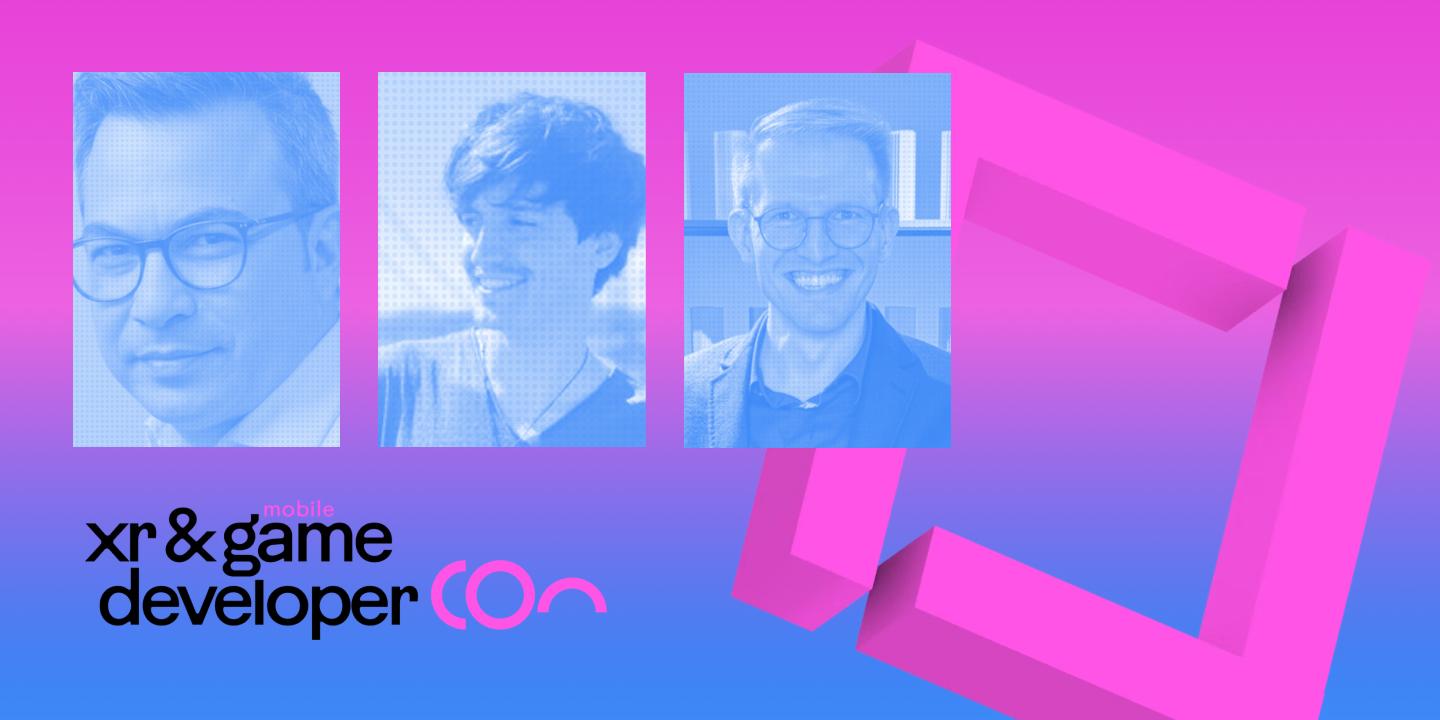
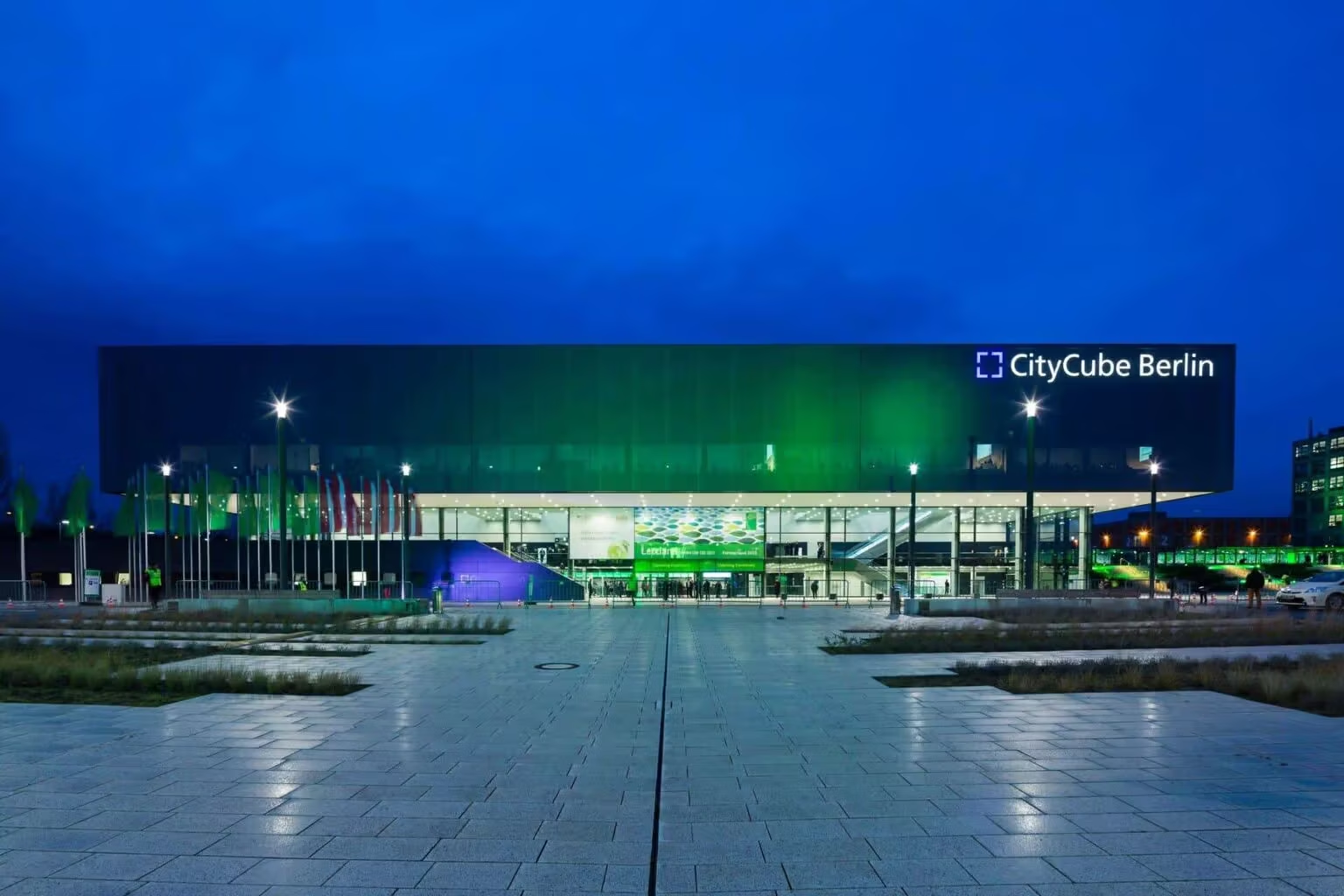
xr & mobile game developerCon at next.app will bring top mobile developers and platform builders who are pushing the boundaries of what’s to come. Hosted at CityCube Berlin from October 7-9, 2026. Produced by Mobile Seasons, the team behind developer communities including flutterCon and droidCon, the conference is positioned as a new forum for the mobile-born practitioners shaping spatial computing.
The conference arrives at a consequential moment for the industry. Wearables, smart glasses, XR headsets, game engines, mobile frameworks, and AI-native interfaces are beginning to converge into a more coherent developer ecosystem. For L+R, that convergence is not theoretical. It reflects a body of work across spatial computing development, smart-glasses software, mobile infrastructure, and privacy-aware interaction design.
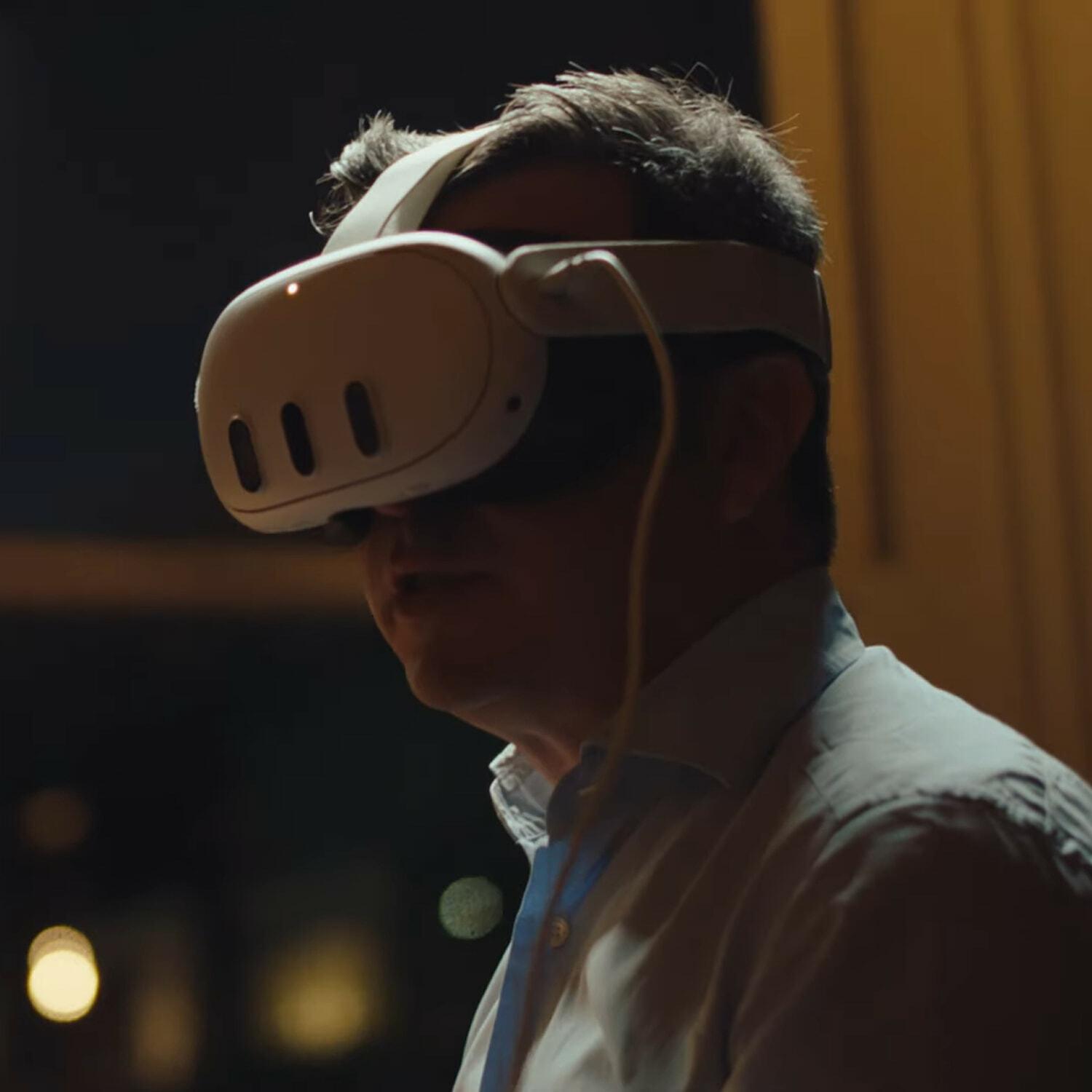
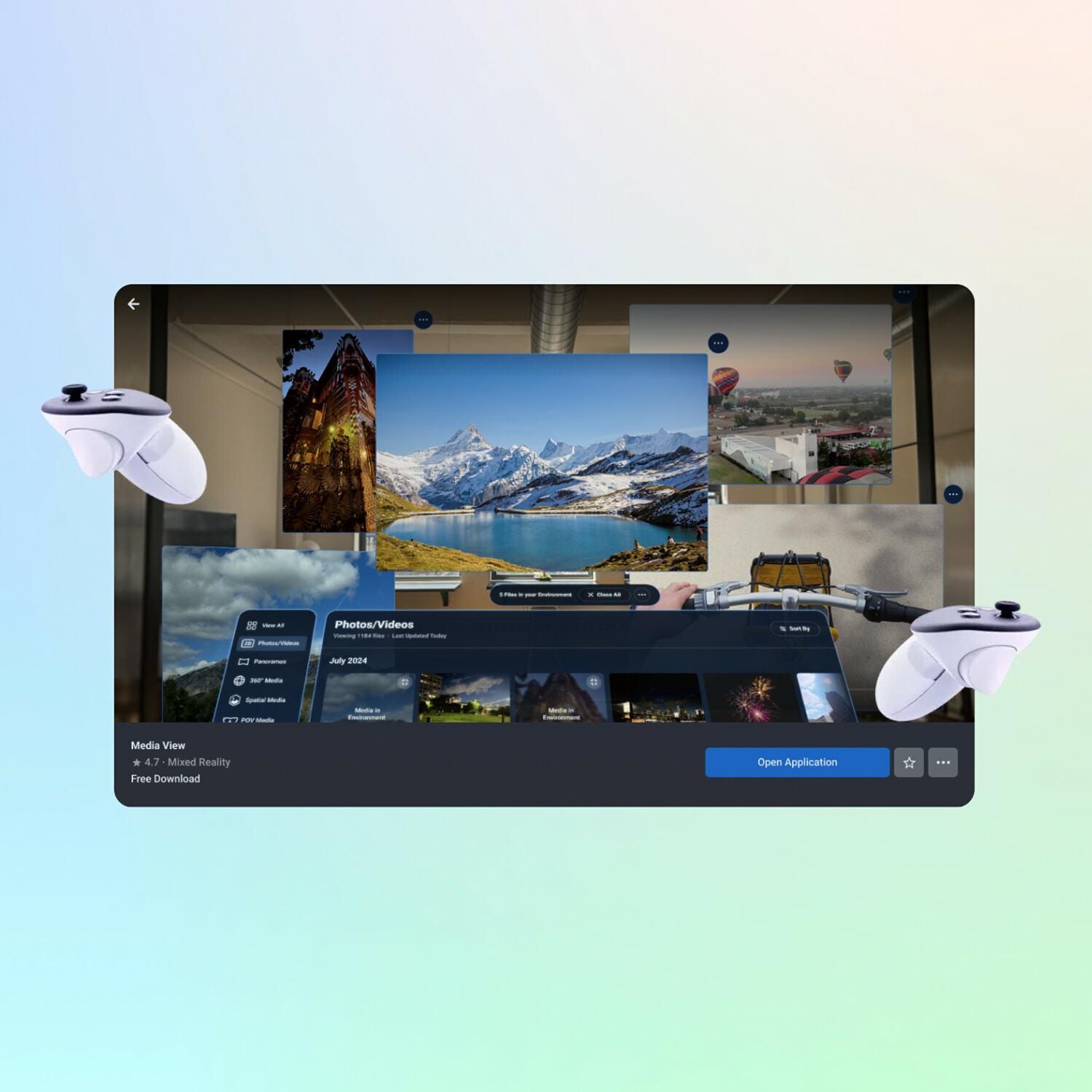
Gautier de Lataillade’s session, “Building an Immersive Concert Experience on Meta Quest,” will use Media View, L+R’s open-source spatial media viewer built with Meta, to show what it takes for mobile developers to turn part of a large Flutter app into a production-ready concert and performance media viewer for XR. He will cover the design and development workflow behind it, from Gemini 3 Flash Image, Figma, and ShapesXR to Kotlin, the Meta Spatial SDK, Meta Spatial Editor, Quest login UX, cross-team collaboration, and the mindset shift of treating the headset as connected hardware rather than rebuilding a full mobile app in XR.
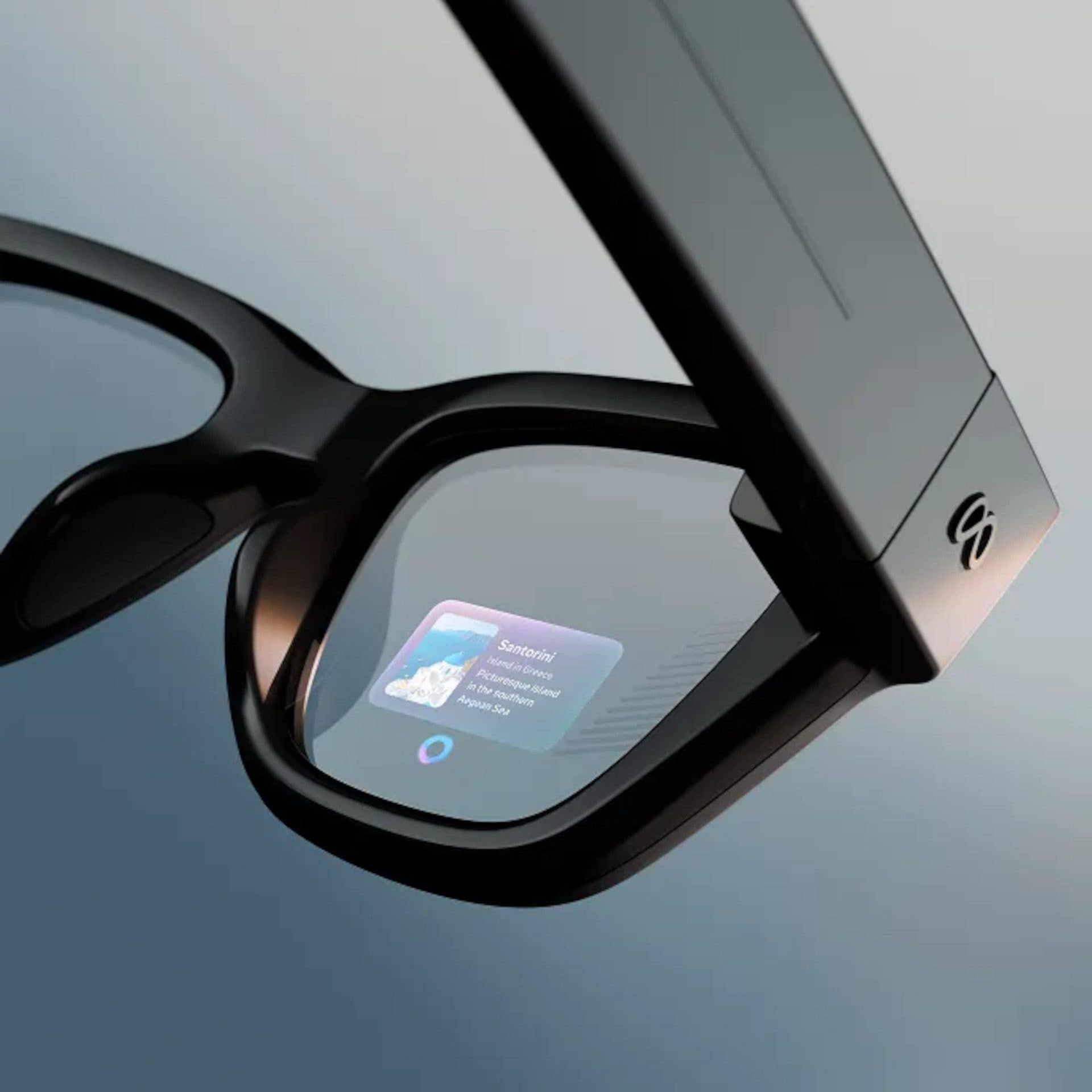
Kelvin Harron’s session, “Phones Away, Glasses On! The Making of DUMBO Spatial Guide,” will focus on L+R’s work with Meta’s Device Access Toolkit (DAT) SDK for Ray-Ban Meta and Oakley Meta glasses, showing how a hands-free, narrated tour can recognize real-world landmarks and guide someone through contextual audio while the phone stays in their pocket.
Ivan Leider’s session, “RodCone: Building the Universal Infrastructure for Smart Glasses Apps,” will zoom out from those case studies to the infrastructure layer behind smart glasses applications: camera access, real-time video relay, audio routing, AI processing, and hardware abstraction across Meta and future glasses platforms.
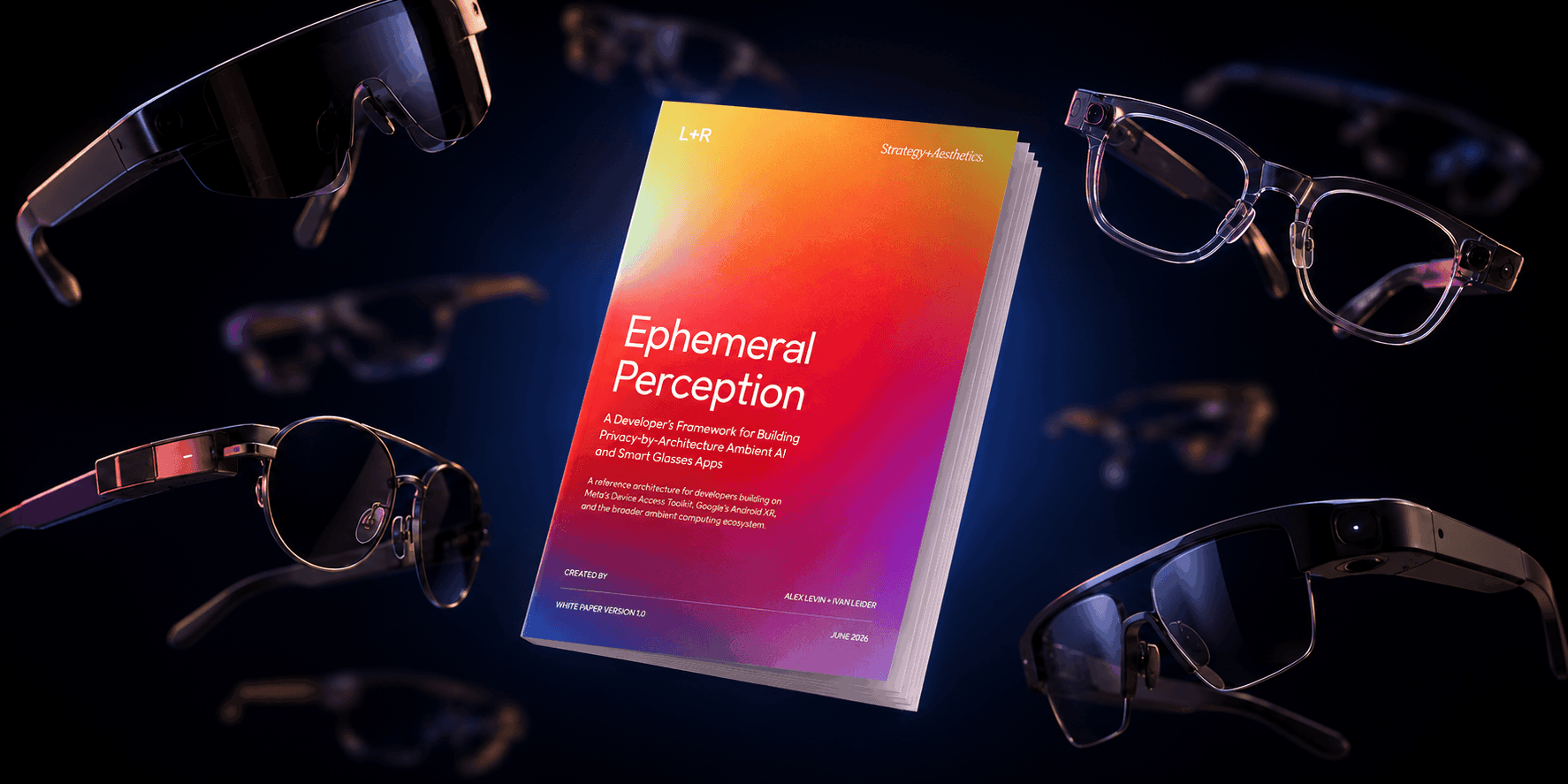
Together, the three sessions connect L+R’s work across Media View, DUMBO Spatial Guide, RodCone, Ray-Ban Display developer tooling, and privacy-by-architecture thinking in Ephemeral Perception, showing how spatial computing is becoming a practical extension of mobile product strategy, design systems, and software engineering.
That mobile foundation is central to the conference’s premise. next.app describes xr & mobile game developerCon as a place for developers to move beyond the rectangular screen and build the next generation of XR and spatial computing experiences for smart glasses and headsets. The first announced speaker lineup includes practitioners across XR, mobile games, spatial software, and developer tooling, with Ivan, Gautier, and Kelvin representing L+R’s hands-on approach to building in the field.
The announcement also extends the work behind Meridian Meetups, L+R’s community initiative for mobile developers, designers, and technologists exploring spatial computing. Through Meridian, L+R has focused on giving the mobile ecosystem a practical path into XR: not as a speculative frontier, but as a new application layer for teams already fluent in mobile product design and engineering. The community’s recognition as a Lovie Award-winning initiative underscores the importance of building shared knowledge around emerging platforms.
As wearables become more capable and XR platforms mature, the next generation of computing will be shaped by the people who can connect hardware, software, privacy, and human context. L+R is proud to contribute to that conversation in Berlin, alongside the developers and designers building the tools, interfaces, and experiences that will define what comes next.
Learn more about xr & mobile game developerCon, explore L+R’s Media View case study, and follow Meridian Meetups for community programming around spatial computing.