A new display surface needed useful product examples
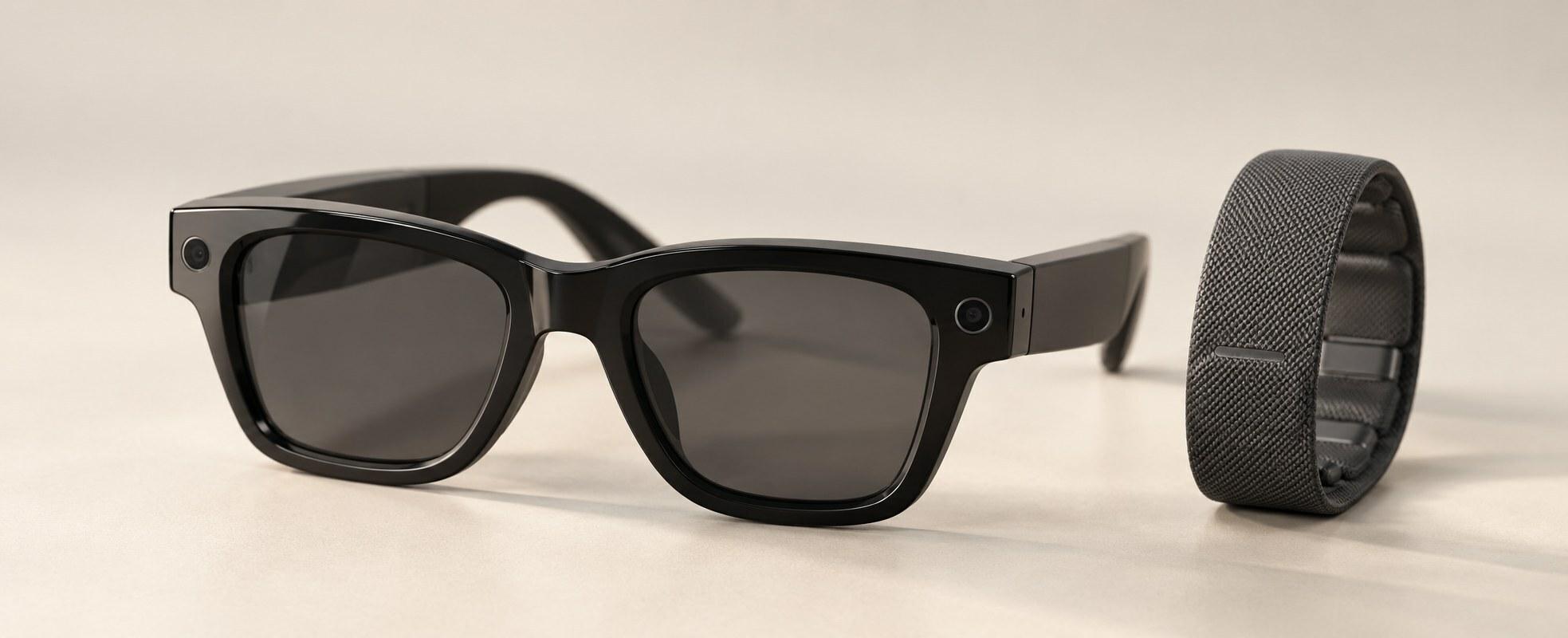
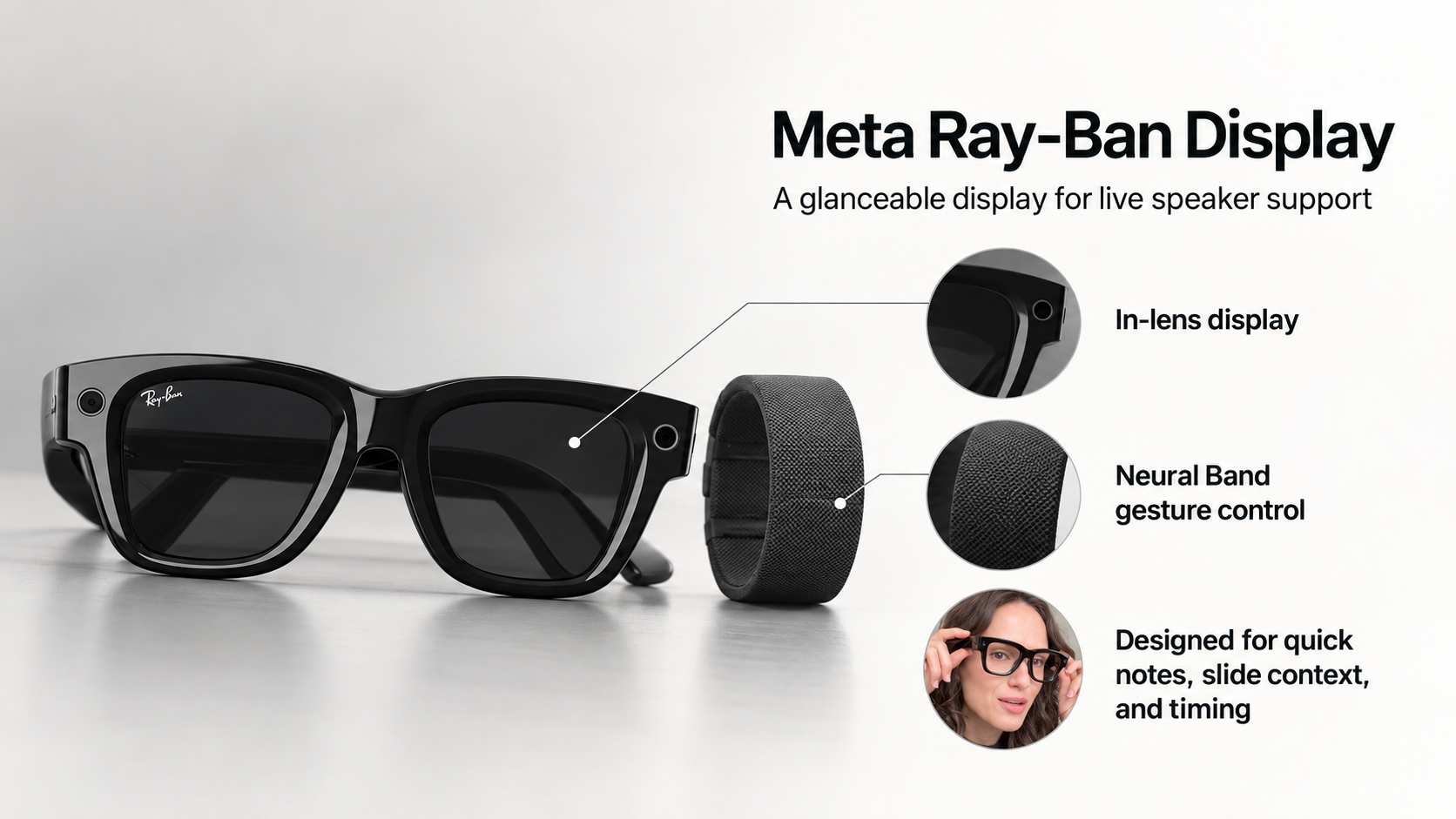
Ray-Ban Meta Display Glasses introduce a small, glanceable display paired with the Meta Neural Band. The early product question was not which demo looked best; it was how the hardware, display, input model, browser surface, and developer experience could come together in believable workflows.
From platform capability to believable workflows
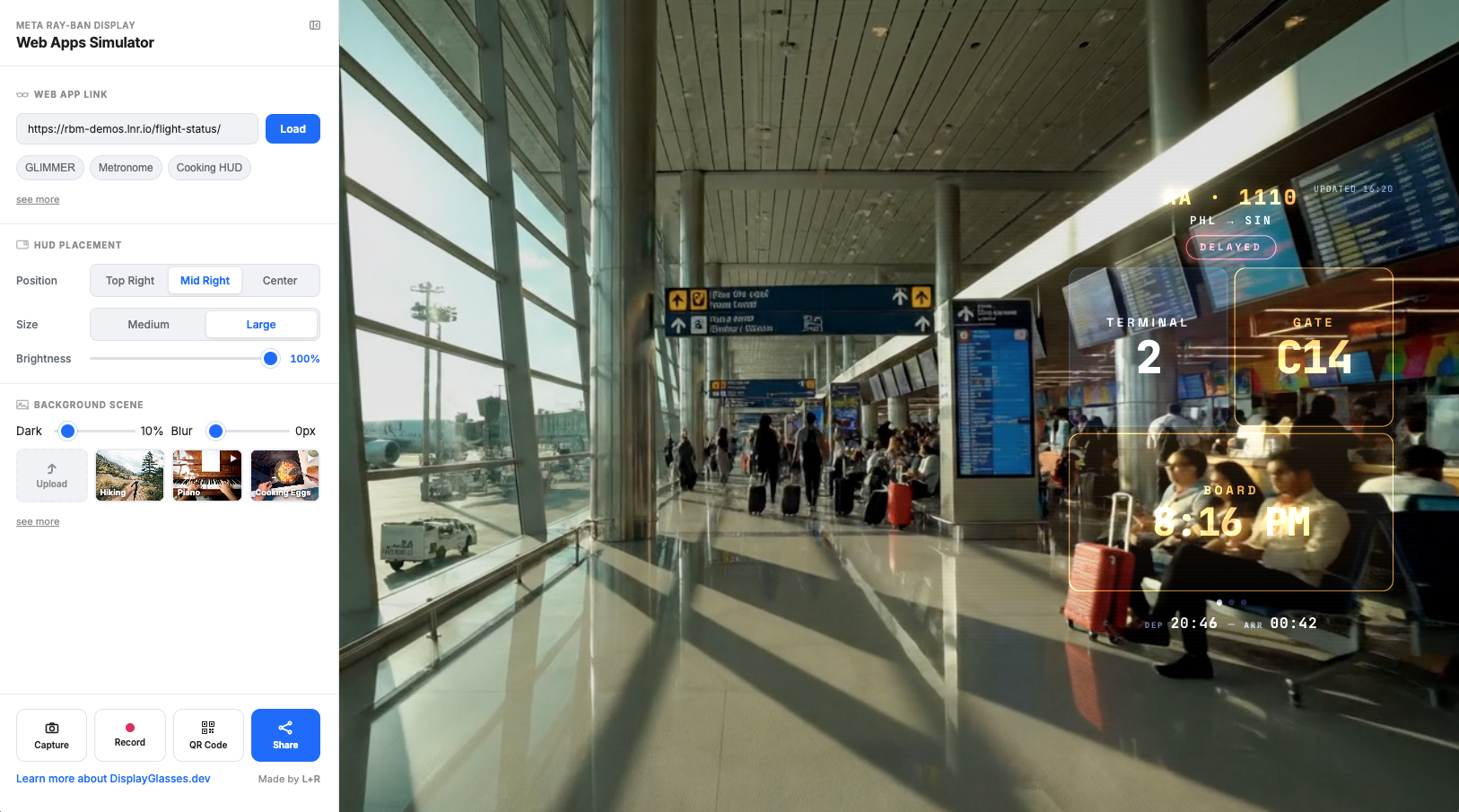
L+R explored concepts that put the display surface to work in real situations: Cooking HUD for hands-busy instruction, Metronome for timing and rhythm, Flight Status for travel updates, and See DJ for live performance context. Each concept helped make the platform easier to understand for announcements, demos, developer conversations, and partner discussions.

Shared examples, confidential practice
Much of L+R's platform and emerging-technology work is confidential. We are SOC 2 Type II compliant and treat client strategy, prototype access, data, and product roadmaps with the highest level of care. The work shown here is limited to examples, announcements, and imagery that have already been published by the client or by L+R with client approval.
Relevant public reading includes L+R supports Meta to open Ray-Ban Display glasses to developers and Introducing DisplayGlasses.dev.


Ray-Ban Meta Display Glasses Concepts show L+R's ability to move from emerging hardware to useful product examples: understand the surface, define the use case, prototype the interaction, demonstrate the value, and support the developer story around it.

A browser-based way to design and test display-glasses web apps
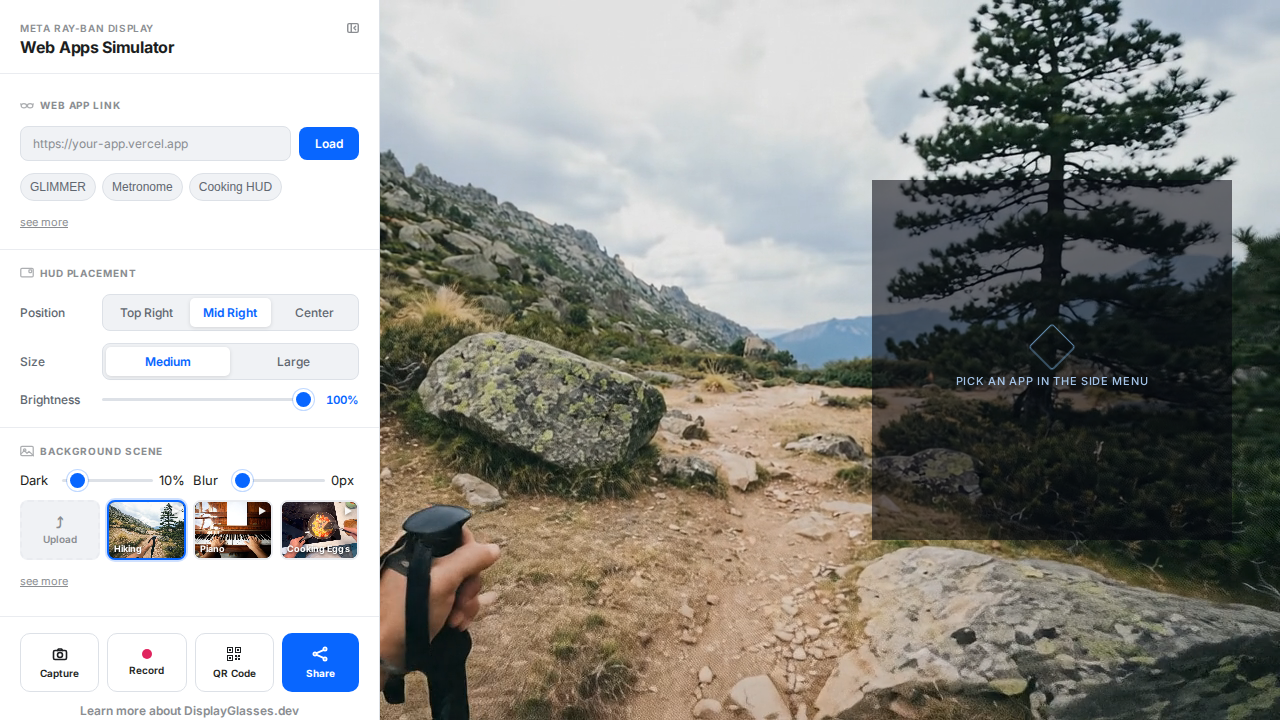
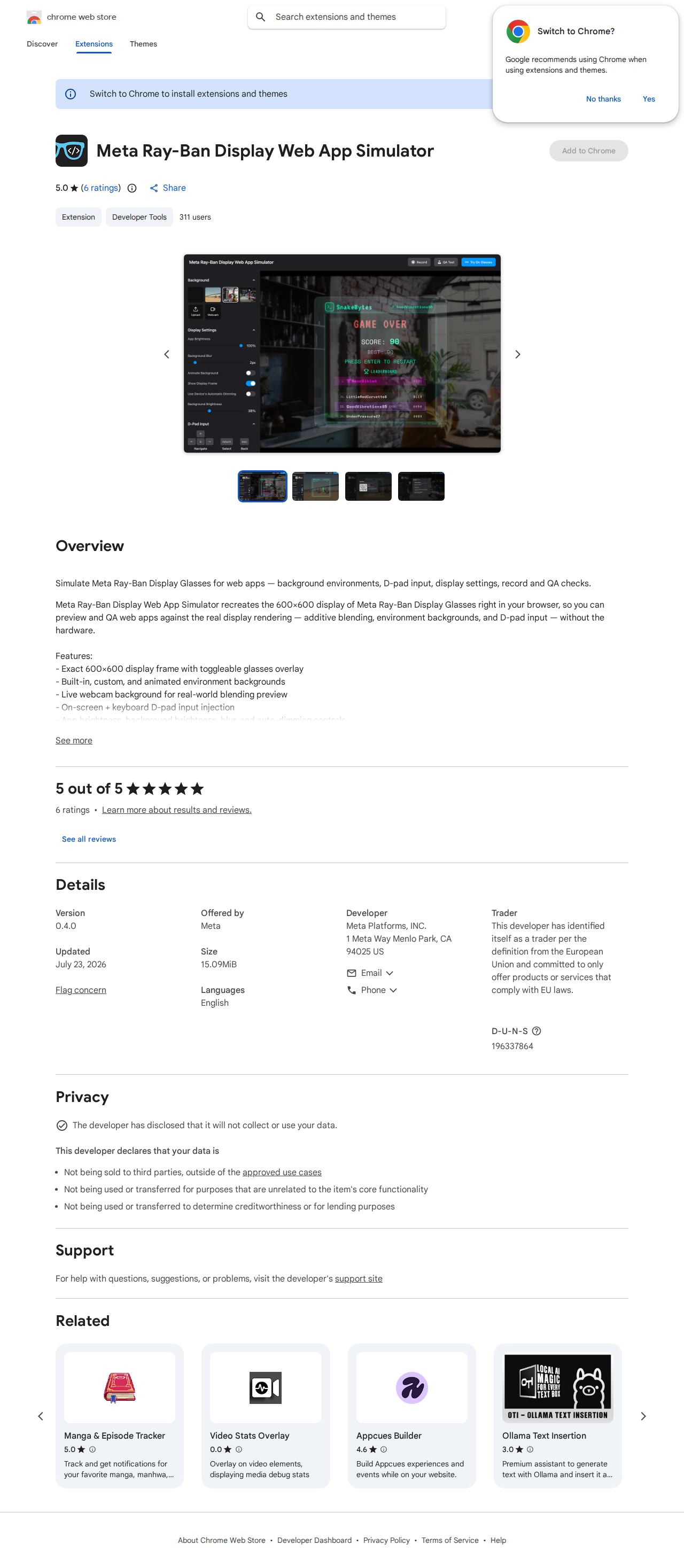
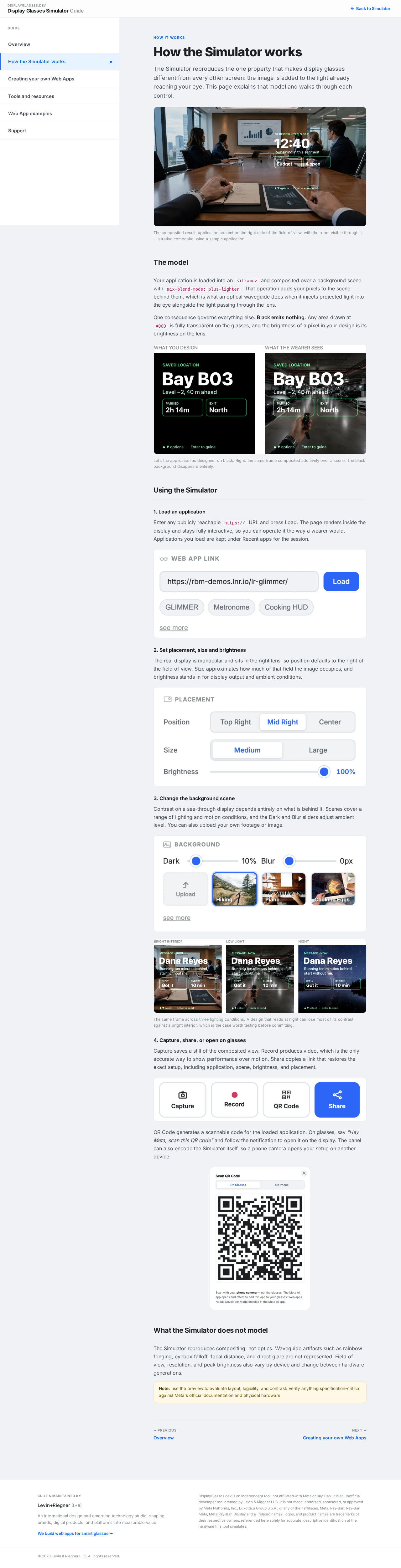
Alongside the concepts, L+R created a web simulator so teams could explore display-glasses experiences without relying on hardware for every iteration. The simulator made it easier to prototype layouts, review interaction patterns, document the development model, and share examples with teams building for the new web-app surface.