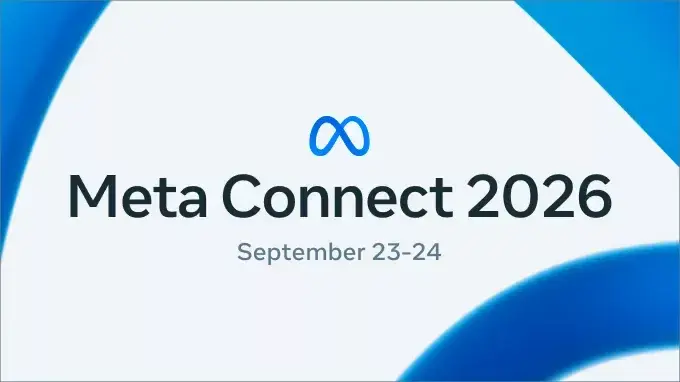
L+R leadership will attend Meta Connect 2026 in person, joining one of the year's most important conversations around AI, mixed reality, augmented reality, virtual reality, and spatial computing. Scheduled for September 23-24, 2026, Meta Connect brings attention to the technologies reshaping how people communicate, create, work, and experience digital products.
For L+R, attending Meta Connect 2026 matters because these categories are no longer abstract. AI-enabled systems, immersive interfaces, and spatial computing are becoming strategic inputs for product roadmaps, customer experiences, retail environments, training platforms, and enterprise workflows. The useful question for clients is not whether emerging technology is interesting. It is where these interfaces can create meaningful utility, durable differentiation, and a more intuitive relationship between people and systems, a question that sits directly within L+R's work across AI Transformation, Immersive Digital Experiences, Smart Glasses App Development, and product strategy.
Why Meta Connect 2026 matters for digital experience strategy
Meta Connect has become a focal point for the broader conversation around AI, wearables, mixed reality, and the next generation of computing interfaces. L+R's Meta Connect 2025 perspective framed the event as a signal for teams working at the edge of product, platform, and immersive experience. The official Meta Connect 2026 page frames the event around breakthroughs in AI, wearable technology, and immersive experiences, while the Meta Connect 2026 agenda highlights keynotes, expert sessions, and deep dives across AI and immersive technology. Meta's broader ecosystem continues to center AI glasses, Meta Quest, Meta AI, developer platforms, and immersive experiences.
That context matters for organizations making decisions today. Leaders are being asked to evaluate how AI assistants, spatial interfaces, camera-first devices, and persistent digital layers may affect service design, product behavior, customer expectations, and internal operations. The categories are connected. AI changes what interfaces can understand; spatial computing changes where those interfaces can live; mixed reality changes how digital information can sit inside physical environments.
L+R's perspective is grounded in translating those signals into practical design and technology decisions. For clients, the value is not in chasing every platform announcement. It is in understanding which behaviors are becoming normalized, which interfaces are maturing, and which investments can be tested responsibly before they become expected.
From emerging technology to applied client value
The strongest emerging technology work begins with a business question, not a device. A retailer may need a more intelligent in-store companion. A cultural institution may need an immersive way to make complex material legible. A training team may need onboarding that carries context, presence, and practice more effectively than a flat dashboard. A product organization may need to understand whether AI should operate as a feature, an assistant, an interface layer, or an invisible system capability.
That is where L+R's work in Platform UX/UI Design, Product Strategy & Research, Brand Strategy, and Digital Strategy Consulting becomes relevant. AI-enabled experiences require more than model access. They require information architecture, interaction design, governance, measurement, content strategy, and a clear point of view on what should be automated, augmented, or left deliberately human.
The same is true for AR, VR, XR, and spatial computing. Immersive interfaces can make digital experiences more embodied, but they also introduce new constraints: comfort, context, privacy, accessibility, hardware readiness, and the operational discipline required to maintain content across surfaces. L+R's Meta Spatial SDK UI Set work offers one live reference point for this kind of systems-level interface thinking. The work is most valuable when it is purposeful, not ornamental.
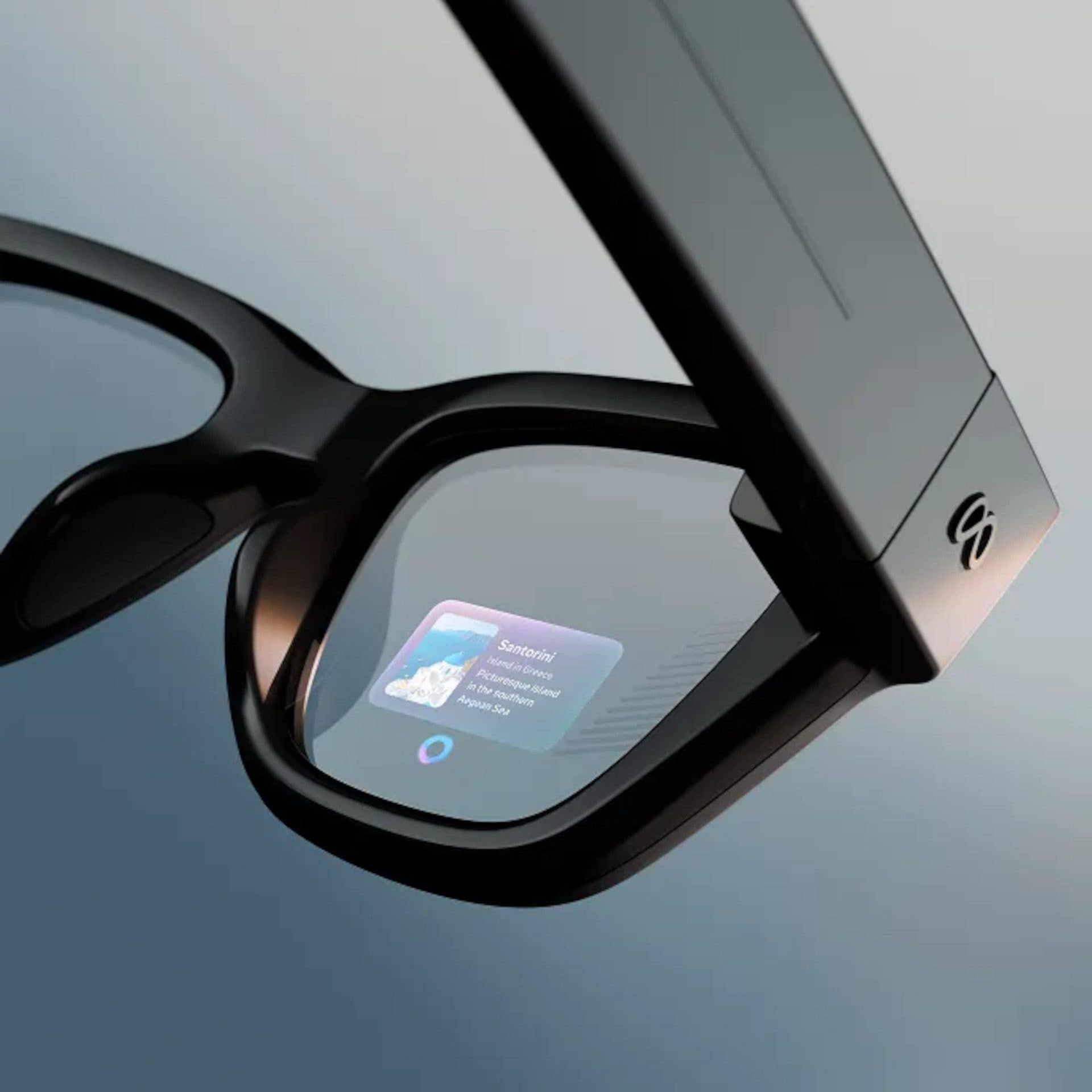
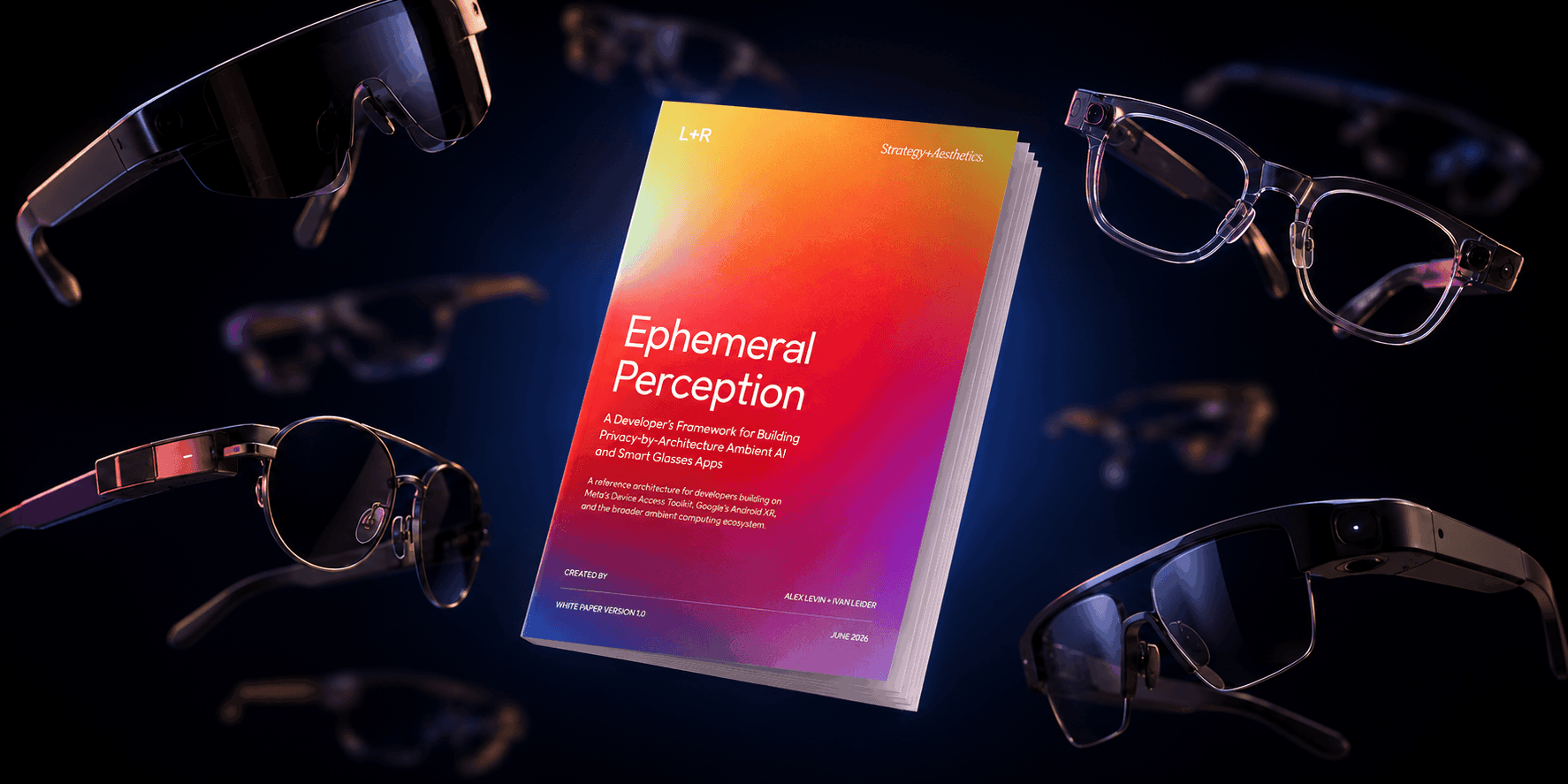
L+R's portfolio already includes practical reference points across this territory. Metronome and See DJ point to display-glasses and music-led interaction concepts, while Talking Point and DUMBO Public Art Spatial Guide show how spatial interfaces can support learning, place-based discovery, and contextual guidance. The same throughline appears in L+R's smart glasses app development capability and its focus on the Meta Wearables Device Access Toolkit.
What L+R will be watching
At Meta Connect 2026, L+R will be watching three client-relevant signals: how AI becomes more contextual, how mixed reality moves from demonstration into repeatable use cases, and how spatial interfaces begin to influence everyday product expectations.
Based on the public agenda, what L+R is especially excited to bring back to clients and partners is a sharper read on AI assistants as everyday interfaces, AI glasses and wearables as service channels, mixed reality as a practical product and training layer, and the developer patterns that may turn immersive experiments into repeatable systems.
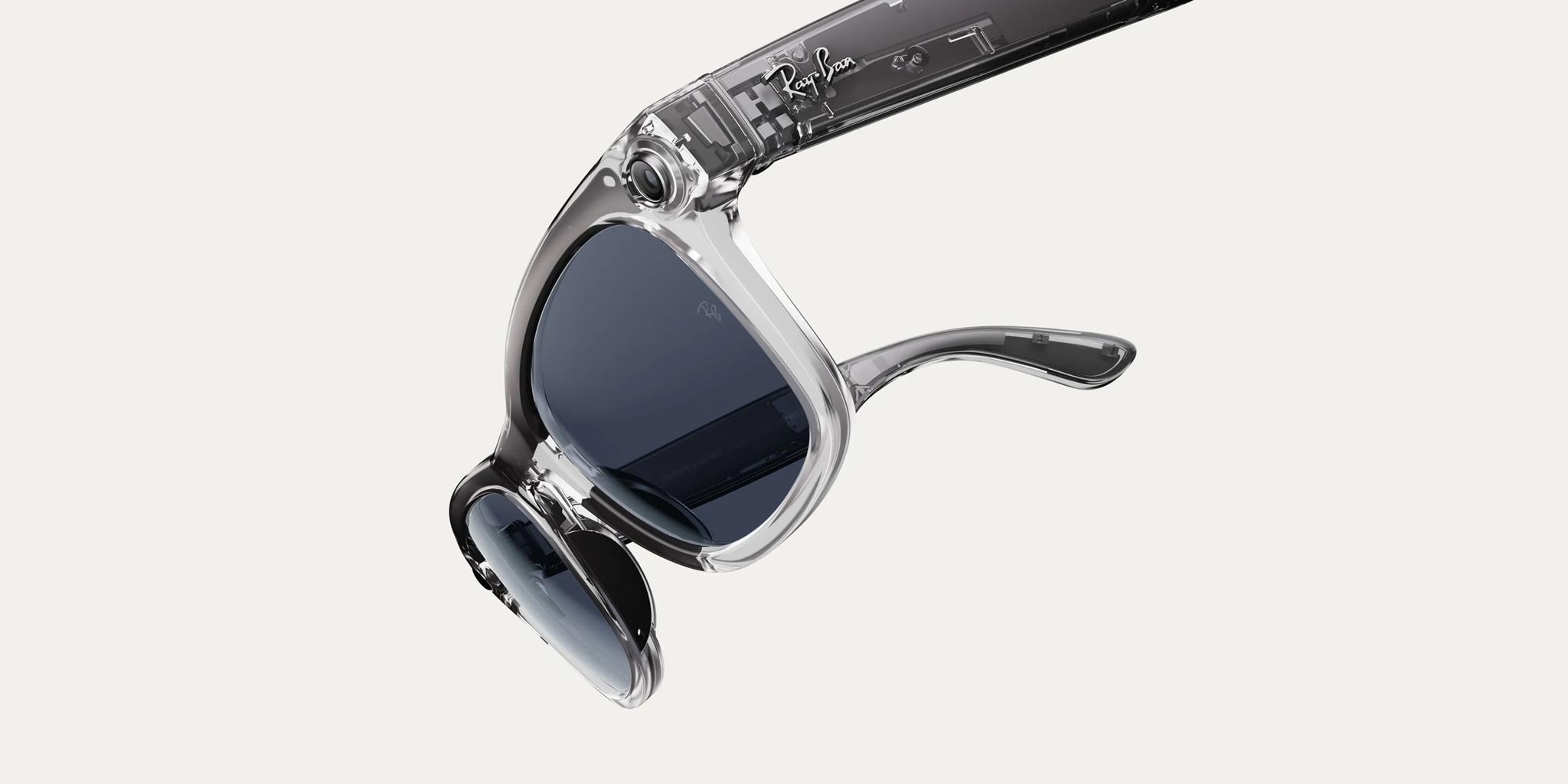
For product and brand leaders, the question is how quickly these technologies become ordinary enough to shape customer expectations. AI assistants are already changing how people search, decide, and complete tasks. Mixed reality is changing how people understand space, instruction, and presence. Wearable and spatial interfaces are changing where digital utility can appear, a shift L+R has also explored through its coverage of Meta opening Ray-Ban Display to developers and Meta Device Access Toolkit / Ray-Ban development.
L+R's role is to help clients separate durable shifts from temporary noise. That means mapping emerging capabilities against real audiences, service moments, technical readiness, and business outcomes. It also means knowing when a prototype is the right next step, when a roadmap should account for future platforms, and when restraint is the more strategic choice.
Why in-person attendance matters
L+R leadership attending Meta Connect 2026 in person signals that the agency is participating in the rooms where emerging interface conversations are being shaped. It does not need to imply partnership, sponsorship, speaking participation, or advance knowledge of announcements. The value is more precise: L+R is close to the spaces where new interface behaviors are being defined, and focused on translating that exposure into useful guidance for clients.
For organizations navigating AI, immersive experience, product strategy, or emerging technology roadmaps, that perspective is increasingly important. The next phase of digital experience will not be defined by a single channel. It will be shaped by systems that understand context, interfaces that extend beyond the screen, and brands that know how to design with both ambition and restraint.
L+R works with organizations exploring how AI, mixed reality, spatial computing, and platform strategy can create practical business value. To discuss an emerging technology roadmap, immersive experience concept, or AI-enabled product strategy, connect with the L+R team.
Meta
Meta Connect is Meta's annual developer event for AI, mixed reality, wearables, and spatial computing.